In late 1971, the National Endowment for the Humanities (NEH) collaborated with a group of five Indiana residents—Virginia Ball, Robert Burns, Marvin Hartig, Edward Howard, and Robert Richey—to establish a nonprofit that would help it carry out its work in the Hoosier State. This was part of a broad effort by the NEH to establish a humanities council in every US state and territory. The NEH’s goal was to secure grassroots support for public humanities programs in communities nationwide, with a focus on history, literature, languages, world cultures, philosophy, ethics, and other humanities subjects. By the end of 1972, the founders established the Indiana Committee for the Humanities (later known as the Indiana Humanities Council, today as Indiana Humanities) with its headquarters in Indianapolis.
Since its founding, Indiana Humanities has facilitated a vast array of programs, including workshops, summits, seminars, and lectures, which have engaged Hoosiers with the humanities and have impacted both the city and the state. In 1983, for example, it convened a group of philanthropic leaders for a series of conversations that led to the establishment of the , and in 1991 it formed an International Issues Task Force that laid the groundwork for the opening of the .
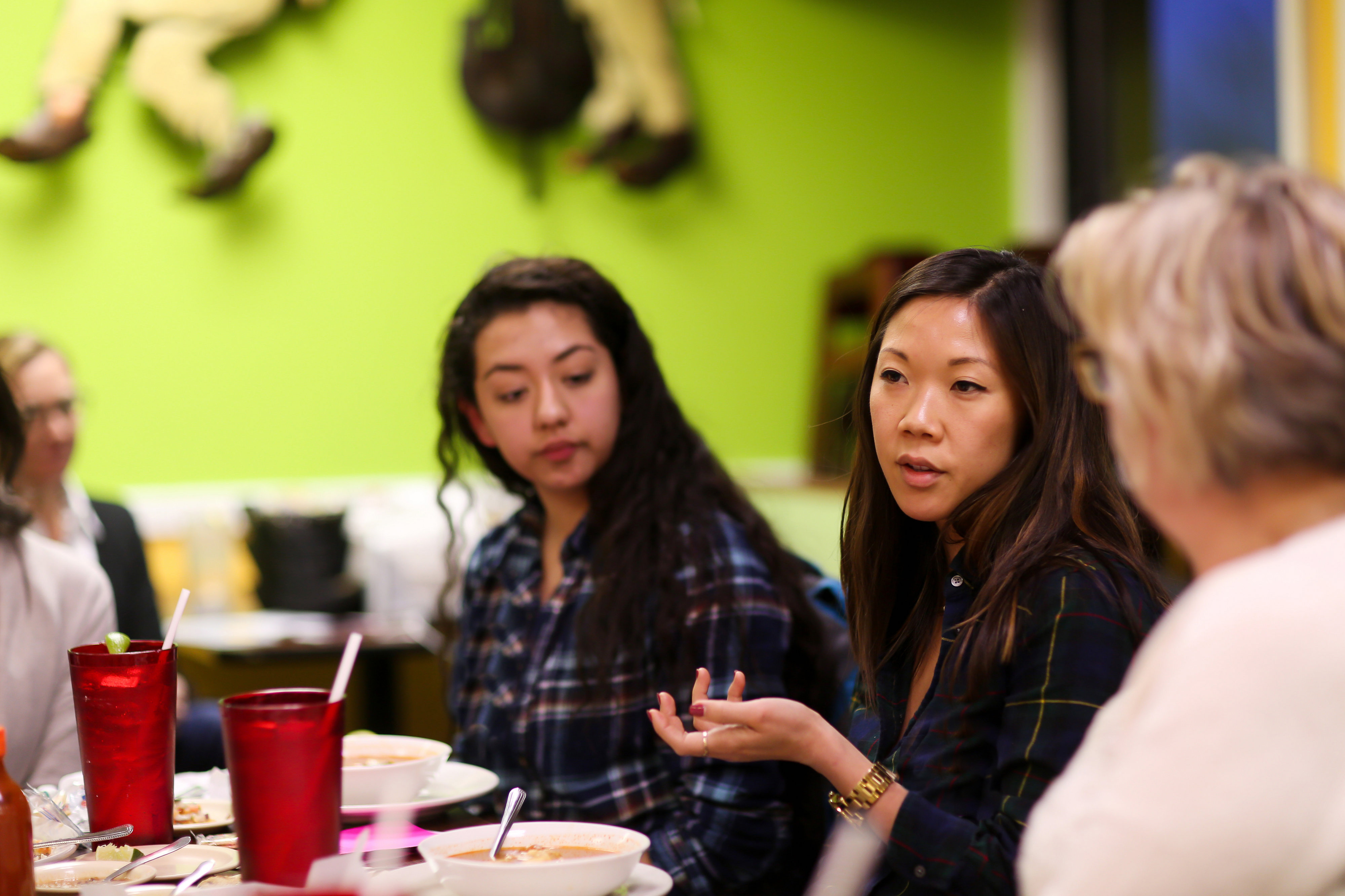
Indiana Humanities’ ongoing mission is to spark curiosity, connect people, and explore the human experience through programs, grants, and storytelling. It sponsors activities across the state that bring people together to engage in the humanities, often organizing its programs in two- to three-year themes, such as Food for Thought (looking at the ways food helps to define Indiana’s culture), INseparable (examining how Hoosiers relate to one another across boundaries), Unearthed (discovering the intersection between the environment and the humanities), and America at 250 (exploring US history, civics, and democracy). Popular activities have included the Campfires series, which connects nature and literature; Chew on This, which brings community members together for an evening of dinner and discussion; INconversation, which engages participants in dialogue with thought leaders; and the Historic Bar Crawl, which presents reenactments of Indiana history along with drinks at Indianapolis establishments.

Indiana Humanities has received the Schwartz Prize, awarded annually by the Federation of State Humanities Councils for the best public humanities program, three times: in 1983 for This Far by Faith: Black Hoosier Heritage; in 2011 for Food for Thought; and in 2017 for Next Indiana Campfires.
Literary programming has been at the core of Indiana Humanities’ work since its founding. One of its longest-running programs is Novel Conversations, a free lending library that sends books to reading groups across the state. In 2019 Indiana Humanities began managing the Eugene and Marilyn Glick Indiana Authors Awards, establishing biannual prizes that honor the best books by Hoosier authors in multiple categories and offering author tours, speaking engagements, and workshops to shine a spotlight on the state’s literary community. To celebrate Indianapolis’s bicentennial, in 2021 Indiana Humanities introduced Bookmark Indy, a literary trail highlighting Indianapolis writers and the role that the city has played in their works. During the 1990s it hosted the popular literary festival Wordstruck, and in 2024 it introduced the annual Proof: A Midwest Lit Fest.
In its early years, Indiana Humanities was primarily a grant-making organization, and grants remain a core part of its mission. Each year Indiana Humanities offers a number of funding opportunities to tax-exempt organizations across the state, providing them with financial support to carry out their own humanities programs. Grants fund a wide range of public activities, such as exhibitions, presentations, tours, podcasts, online resources, and more.
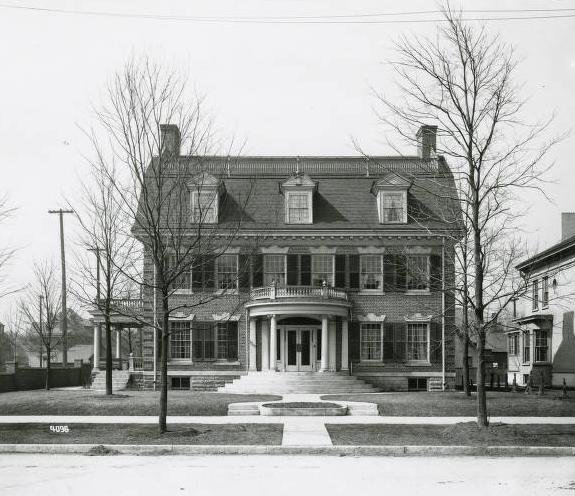
Since 1986, Indiana Humanities has operated from the former home of author and his wife Eugenie in Indianapolis’s neighborhood. The house, designed by Indianapolis architect and completed in 1903, serves as an outstanding example of Georgian Revival architecture. After completing significant renovations to the house in 2018, Indiana Humanities offers its meeting rooms to the public, providing the community with space to connect and converse.

Help improve this entry
Contribute information, offer corrections, suggest images.
You can also recommend new entries related to this topic.