Spina Bifida Indiana (SBIND) is a statewide 501(c)(3) nonprofit, headquartered in Indianapolis, that provides education, advocacy, and support for individuals and families affected by spina bifida. Originally called the Central Indiana Spina Bifida Association, the organization emerged in the mid-1970s, growing from a parent-led support network in Indianapolis into a resource connecting families, medical professionals, and disability advocates across Indiana communities and health care systems. Its development reflects broader changes in pediatric and adult medicine, disability rights, and community support systems in Indiana. The organization adopted its current name in 2014.
Spina bifida is a congenital neural tube defect in which the spinal column does not fully close during early fetal development. Before advances in pediatric neurosurgery and rehabilitation medicine in the mid-twentieth century, infants with severe forms often had limited life expectancy. Improved treatment increased survival, allowing many children to reach adolescence and adulthood and prompting families to seek support for medical care, education, and mobility needs.
SBIND originated in informal meetings among parents of children receiving treatment in Indianapolis, many connected through . Supported by the hospital’s medical and social-work personnel, families gathered to share information about treatment, assistive devices, and navigating schools and health care services.
These early gatherings developed into a structured organization, established in 1975. Across the 1980s and 1990s, SBIND expanded its role by organizing educational programs, family events, peer support, and familial responses to changes in federal disability policy. Legislation such as the Education for All Handicapped Children Act of 1975 and the Americans with Disabilities Act of 1990 reshaped access to education, transportation, and public accommodations for individuals with disabilities. SBIND provided families with information about these rights and helped them advocate for expanded services.
The expansion of rehabilitation medicine in Indianapolis further influenced the organization’s work. The opening of the Rehabilitation Hospital of Indiana on Indianapolis’s west side in 1988 created new opportunities for adolescents and adults with mobility impairments to receive specialized rehabilitation services. SBIND has supported families navigating the transition from pediatric medical care to adult health services and independent living, including via financial assistance initiatives to defray the costs of long-term care and medical equipment.
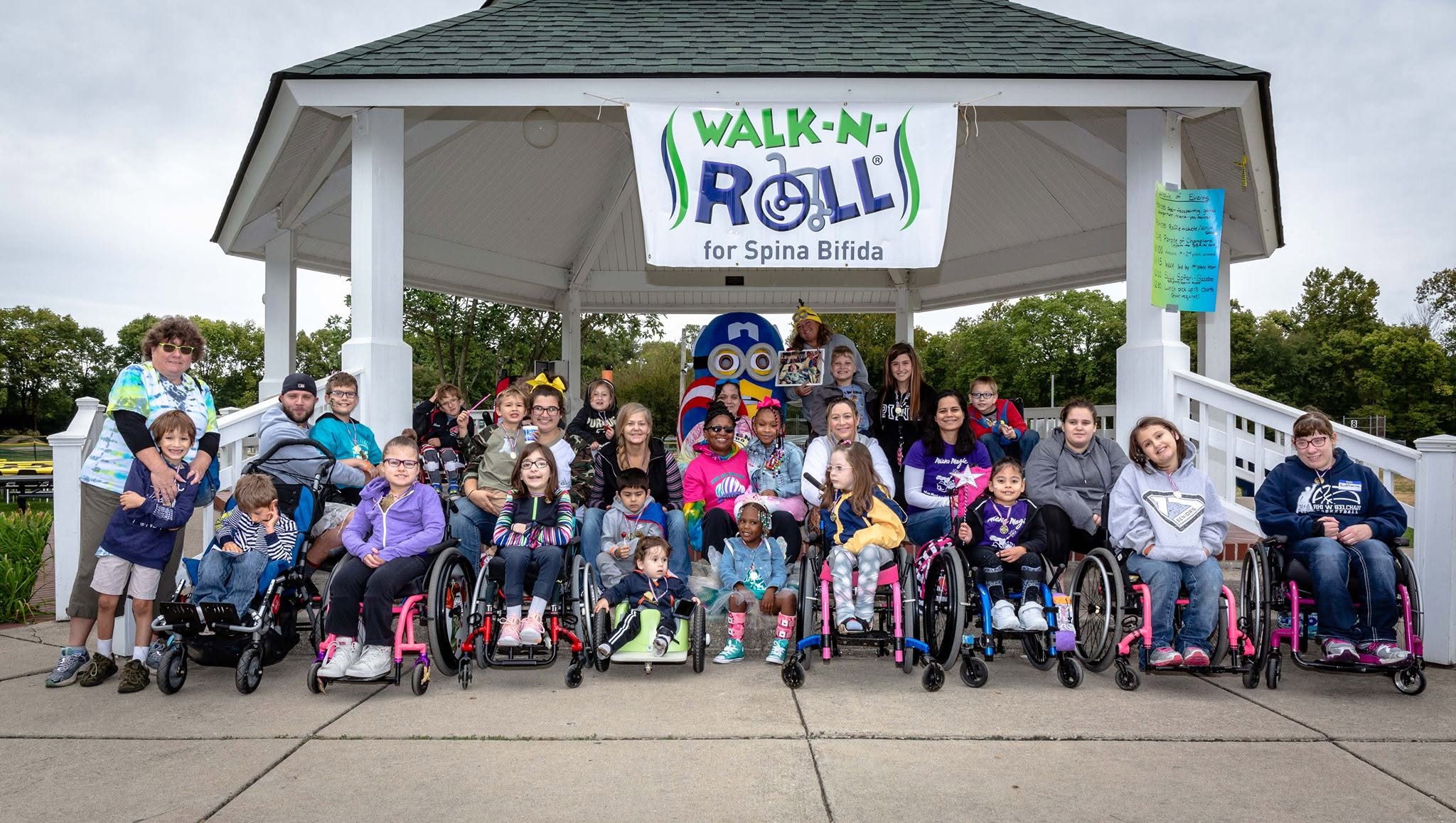
SBIND has sponsored programs that encourage social and recreational opportunities for children living with spina bifida. Families have long participated in Camp Riley at , a medically supported summer camp operated through Riley Hospital for Children and Indiana University. Meanwhile, SBIND community events, such as its annual Roll & Stroll gathering, have brought together constituents and partners while promoting awareness of spina bifida and disability inclusion.
Recent advances in prenatal care are currently reshaping spina bifida treatment as well as SBIND’s activities. Riley Hospital for Children in 2025 began offering in-utero surgery to repair spinal defects before birth and improve outcomes. While not a cure, innovations such as these are changing the trajectory of care, reinforcing SBIND’s role as a resource for families and individuals navigating the evolving landscape of medical and support options.
FURTHER READING
- Spina Bifida Indiana. “About Us.” Accessed June 10, 2026. https://www.sbind.org/about.
CITE THIS ENTRY
APA:
Wallace, C. (2026). Spina Bifida Indiana. Encyclopedia of Indianapolis. Retrieved Oct 12, 2026, from https://indyencyclopedia.org/spina-bifida-indiana/.
MLA:
Wallace, Courtney. “Spina Bifida Indiana.” Encyclopedia of Indianapolis, 2026, https://indyencyclopedia.org/spina-bifida-indiana/. Accessed 12 Oct 2026.
Chicago:
Wallace, Courtney. “Spina Bifida Indiana.” Encyclopedia of Indianapolis, 2026. Accessed Oct 12, 2026. https://indyencyclopedia.org/spina-bifida-indiana/.

Help improve this entry
Contribute information, offer corrections, suggest images.
You can also recommend new entries related to this topic.