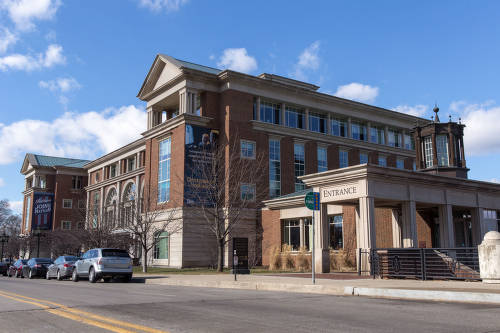
Homecroft Homecroft is a Perry Township community roughly bounded by Banta Road on the north, the Conrail tracks on the east,… Read More »Homecroft
Home Place Home Place is a suburban area, centered at the intersection of 106th Street and College Avenue. Before 1914 the area… Read More »Home Place
Historical Organizations and Events The earliest organized effort to preserve local history appears to have been the founding of the (IHS) on December 11,… Read More »Historical Organizations and Events
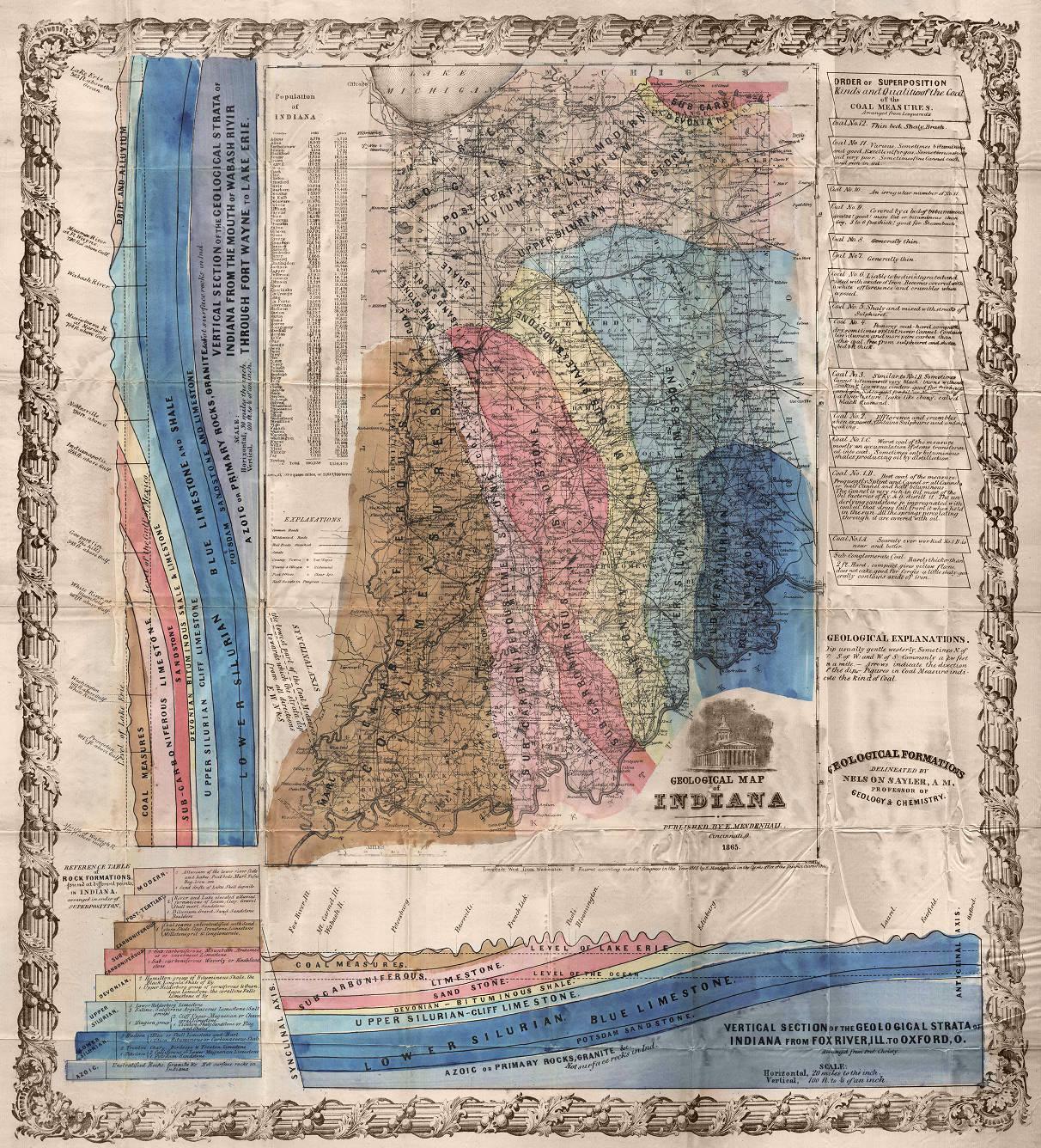
Geology The general geology of Marion County, gently dipping sedimentary rocks overlaid by glacial deposits, is similar to many other areas… Read More »Geology
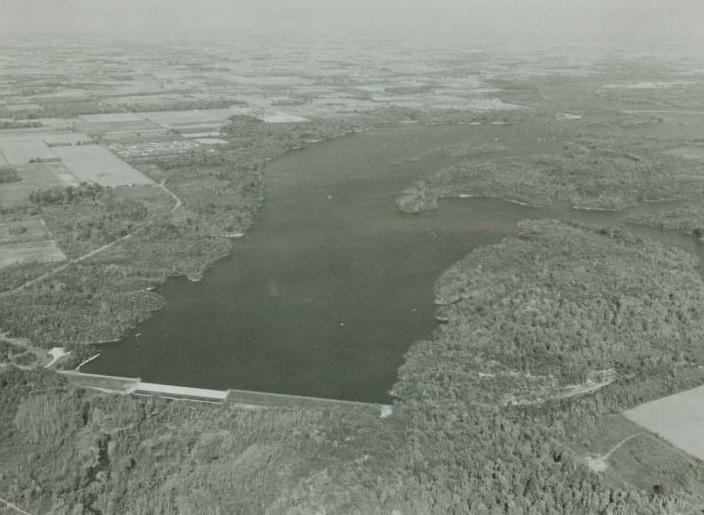
Geist Reservoir Realizing that the could not continue to meet the growing city’s water demands, the had the foresight to purchase 5,727… Read More »Geist Reservoir
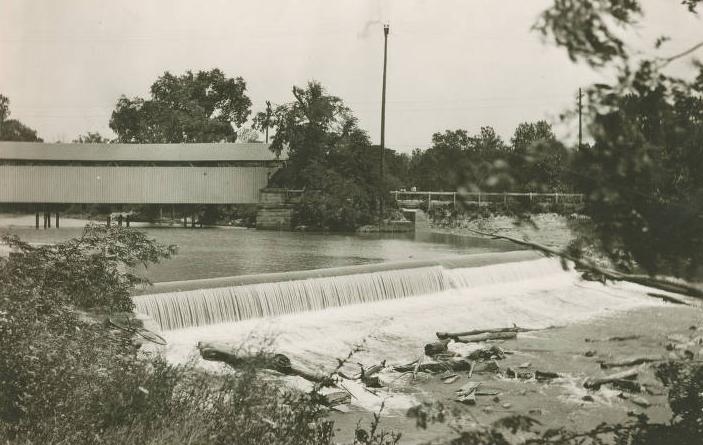
Fall Creek Waterway Fall Creek, a major tributary of White River within Marion County, was one of the earliest focal points of Indianapolis.… Read More »Fall Creek Waterway
Episcopalians The principal characteristics which distinguish the Episcopal church from other denominations are a hierarchical organization with bishops, priests, and deacons;… Read More »Episcopalians
Countrymark Cooperative In the early 1920s, the Indiana Farm Bureau (INFB), originally known as the Indiana Federation of Farmers’ Associations, joined with… Read More »Countrymark Cooperative
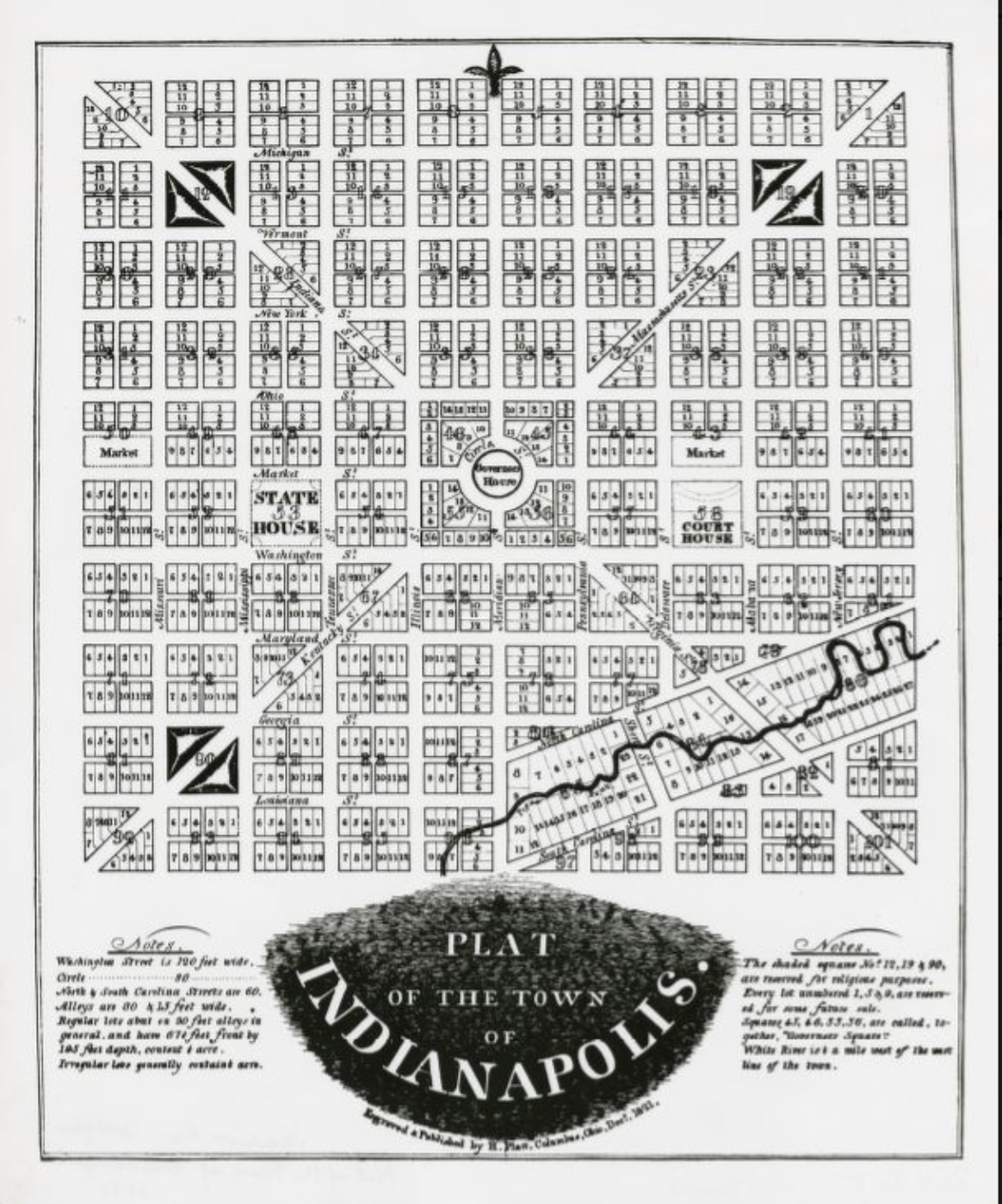
City Planning The history of city planning in Indianapolis began with the founders’ plat. As the plan for the capital city of… Read More »City Planning
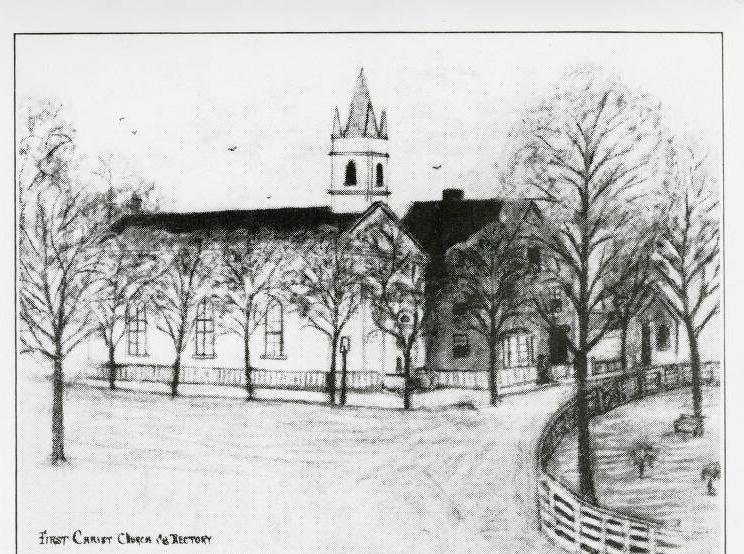
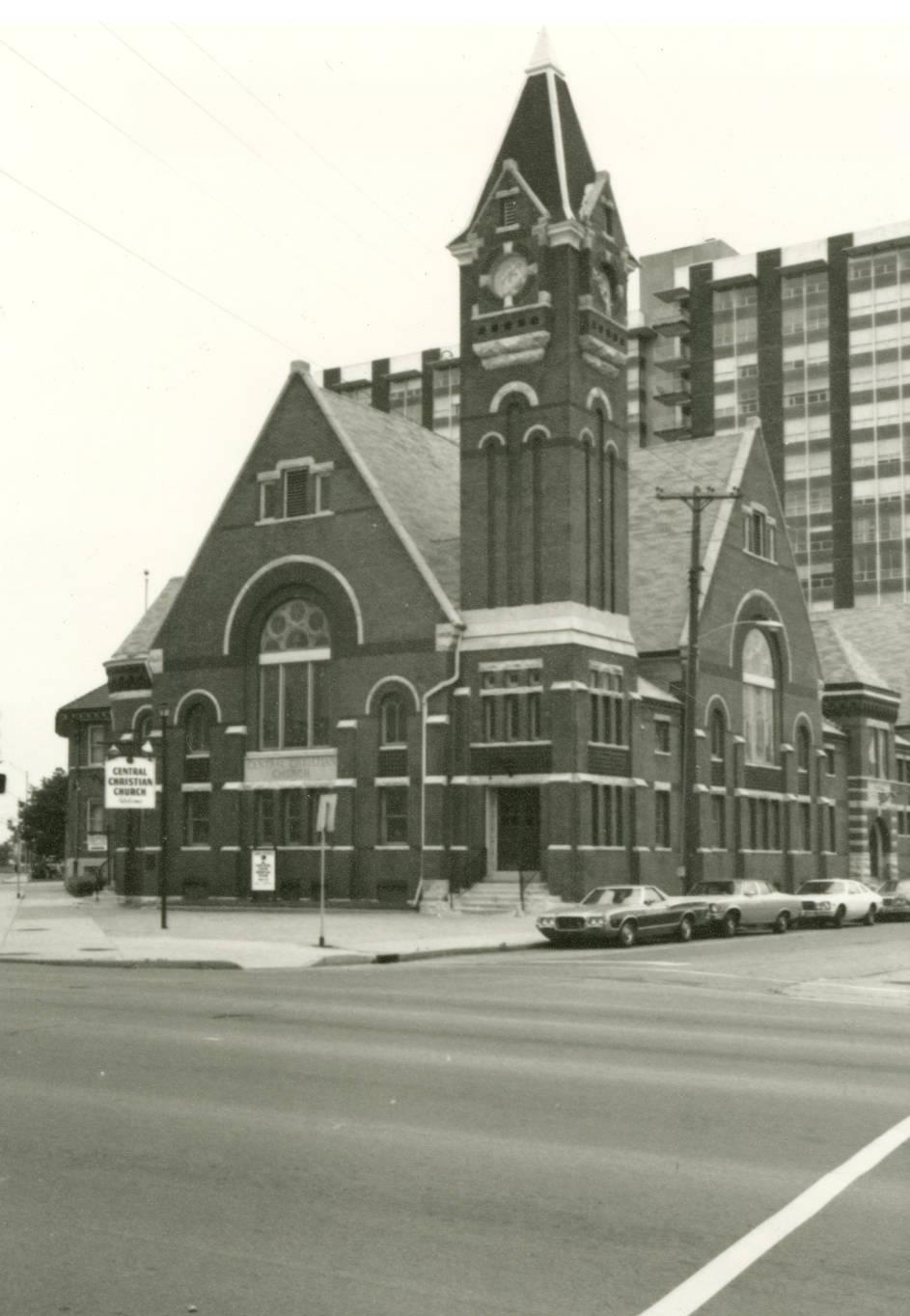
Christian Church (Disciples Of Christ) The Christian Church (Disciples of Christ) descend from the 19th-century Stone-Campbell movement, a revival movement that flourished on the developing… Read More »Christian Church (Disciples Of Christ)