The Fortnightly Literary Club is an Indianapolis women’s , founded in the late 19th century amid the height of the US . In its early years, the club provided opportunities for educated white women, most of whom did not work outside the domestic sphere, to debate current works of literature. By the early 20th century, meeting agendas more regularly addressed written works on social issues such as women’s suffrage, war, and women’s employment. In the 21st century, the now-integrated club continues to foster members’ exploration of literary works while seeking to raise interest in literature through programs for high school teachers and students.
The club’s founding came on February 24, 1885, when eight women met at the home of Cornelia Cole Fairbanks, located at Park Avenue and 7th Street (now 16th Street), to form the “Nameless Literary Circle.” Founding members included Cornelia Cole Fairbanks, Charlotte Clute Baker, Anna Campbell Baker, Kate Noble Dean, Alice S. Allen, Annie Holton Dye, Ida Linn Henderson, Laura Ream, and Alice Finch.
The group elected Fairbanks as president and Baker as secretary. The women agreed to make literary culture the object of their “Circle.” To further this project, they decided each meeting’s program should consist of a sketch, written by one of the members, of a specific author chosen for study, followed by the reading of selections by that author and general conversation. The women decided to convene for meetings twice each month on Monday afternoons at the home of a member.
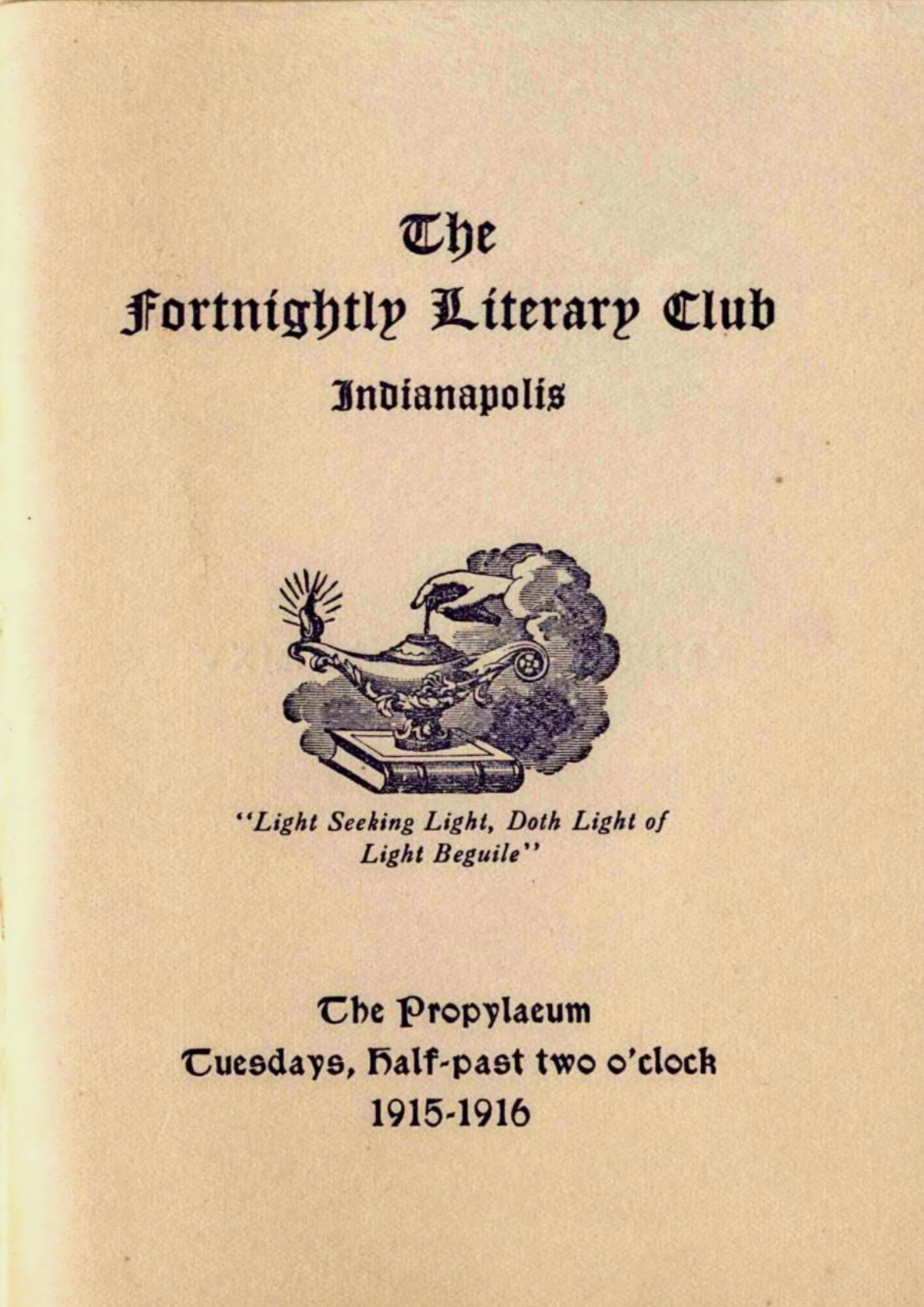
By October 13, 1885, club membership totaled 22. Club minutes from two weeks later indicate the first use of “Fortnightly” in the club’s name, like this one and the one for the African American women, which indicated the cadence of the meetings, held twice a month or fortnightly. Fortnightly clubs were starting all over the country, but there was no link at the city, state, or national level among the groups. For example, in Indianapolis, a group of African American women organized their own Fortnightly Literary Club in 1923. The club organized in 1885 adopted a passage from Shakespeare—“Light, Seeking Light, Doth Light of Light Beguile”—as its motto and a lighted lamp atop a book as its symbol. In the fall of 1892, Fortnightly moved to the newly built Propylaeum at 17 E. North Street, where it continued to meet almost continuously until 1923, after which it met at the Propylaeum’s present building at 1412 N. Delaware Street (formerly the Schmidt/Schaf house). In 2015, the club shifted to lunchtime presentations at the Woodstock Country Club on the third Tuesday of the month from October through May. Despite the new monthly schedule, the group maintained “Fortnightly” in its name.
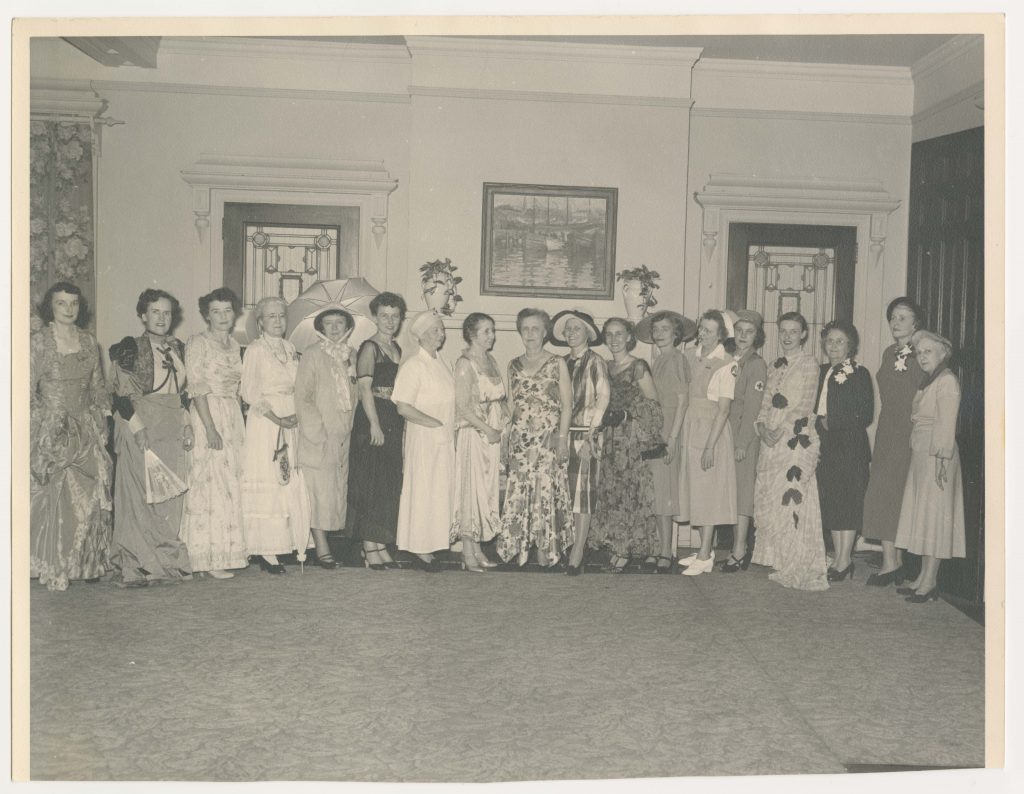
By 1900, the club had added a group of Indianapolis’s accomplished teachers, librarians, and social workers to its existing membership of socially elite women. The range of papers the women presented and discussed shifted from a primary focus on literary authors and works to encompass examinations of politics, business, war and peace, and travel. The expansion of topics over the century’s first half reflected the social turbulence of , the , , and .
In the 1950s, attendance at Fortnightly meetings dwindled as the region’s number of women’s organizations and activities increased, heightening competition for members’ engagement. Many younger club members found balancing motherhood, working outside the home, and attending 15 club meetings per year a challenge.
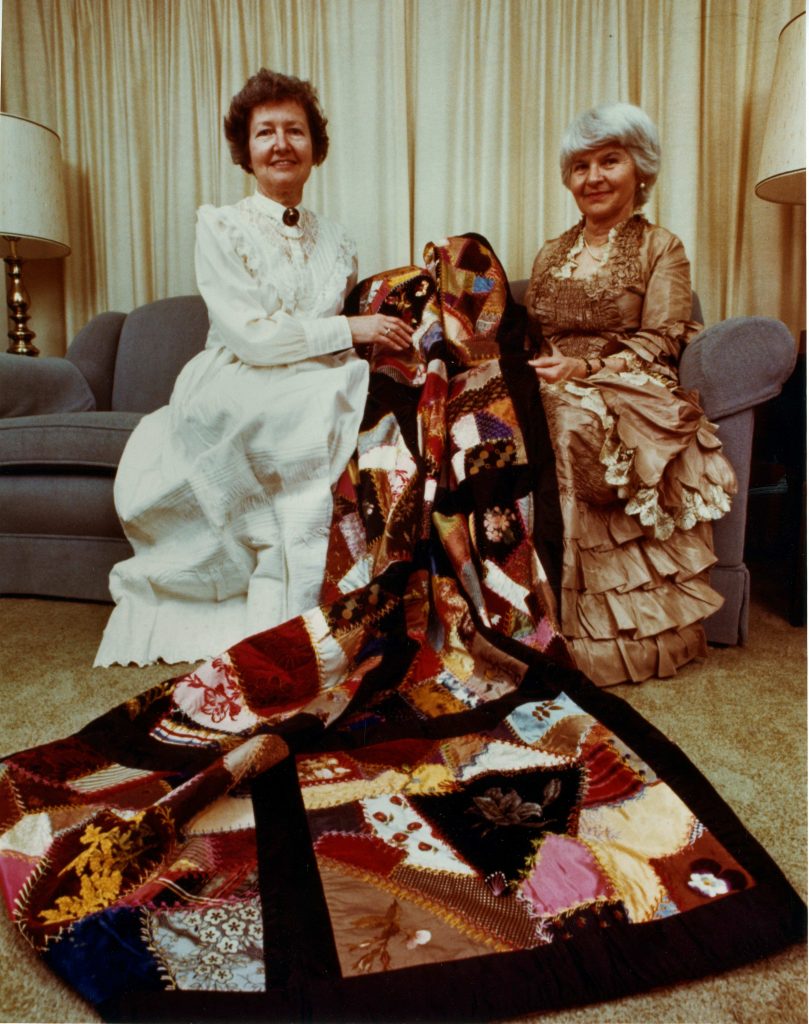
Beginning in the 1960s, club papers presented by members strayed from the original model entailing a “sketch of a literary figure.” Common topics came to include travelogues; biographies; reviews of books, art, antiques, and collections; and reflections on members’ readings, experiences, and hobbies. The preceding aligned with the club’s stated goal to pursue “unlimited and universal knowledge,” unrestricted by subject matter or scope.
In the early 21st century, the club embarked on several changes. In 2006, it launched an annual student essay contest, spearheaded by Fortnightly member Peggy Sabens and open to students at Herron Classical Schools. In 2010 Sheila Parks Little became the first African American member and later president of the of the club. In 2014, the club initiated an annual TriLit dinner, featuring a speaker of local prominence, in partnership with the and the .
Fortnightly has sought to support Indianapolis teachers through its Teachers’ Treasures program, which operates a volunteer-run “Store for Teachers.” The club also distributes donated educational supplies and materials to teachers.
Over its lifetime, The Fortnightly Literary Club has provided a space for intellectual growth for women, particularly during its early years when members had limited opportunities for social and intellectual engagement. Fortnightly’s evolution since its founding offers a window into Indianapolis literary culture and local women’s associational life with an emphasis on writing for an interested audience across time.
FURTHER READING
- Jacoby, Helen Eaton. History of the Fortnightly Literary Club, Indianapolis. 1934. https://search.worldcat.org/en/title/247695190.
- Snoddy, Jean. “Fortnightly History at 100 Years.” The Fortnightly Literary Club, 1985. https://fortnightly.org/history/.
CITE THIS ENTRY
APA:
Wokeck, M. (2026). Fortnightly Literary Club. Encyclopedia of Indianapolis. Retrieved Sep 25, 2026, from https://indyencyclopedia.org/fortnightly-literary-club/.
MLA:
Wokeck, Marriane. “Fortnightly Literary Club.” Encyclopedia of Indianapolis, 2026, https://indyencyclopedia.org/fortnightly-literary-club/. Accessed 25 Sep 2026.
Chicago:
Wokeck, Marriane. “Fortnightly Literary Club.” Encyclopedia of Indianapolis, 2026. Accessed Sep 25, 2026. https://indyencyclopedia.org/fortnightly-literary-club/.

Help improve this entry
Contribute information, offer corrections, suggest images.
You can also recommend new entries related to this topic.