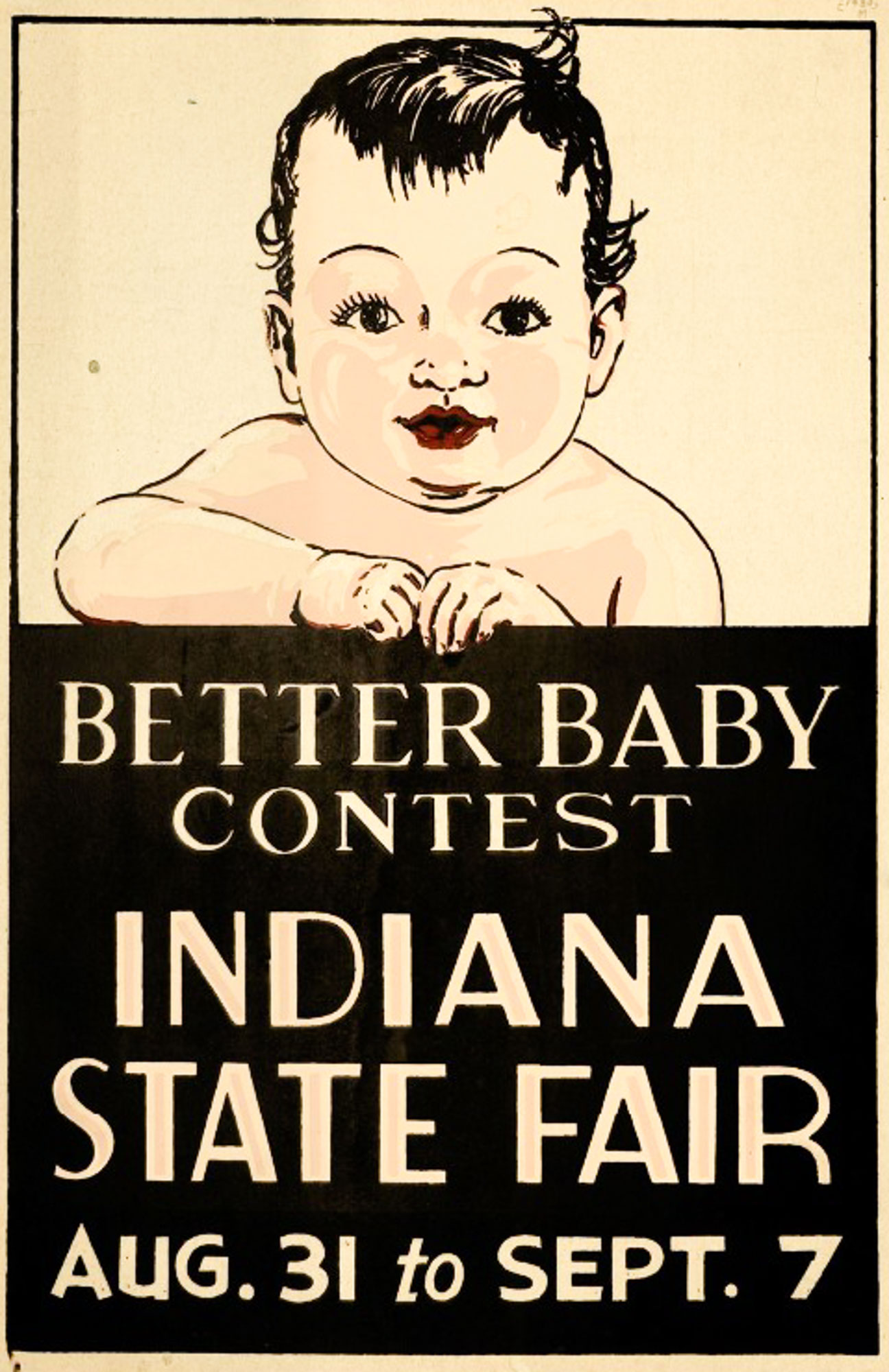
The Better Babies Contest, a competition for Indiana infants, was one of the most popular and controversial attractions at the from its 1920 inception through 1932. The annual event was the centerpiece of campaign to eliminate childhood disabilities and produce “better” future citizens in the state of Indiana. As director of the Indiana Board of Health’s Division of Infant and Child Hygiene, Schweitzer used the contest to champion the concept of “scientific motherhood,” or mothering guided by scientific expertise and medical advice. She also used the contest to advance the state’s eugenics and sterilization laws through her evaluations of the genetic fitness of white infants and children. Thousands of Indiana infants and children were weighed, measured, and assessed in the “race-betterment” activities of the Better Babies contests.
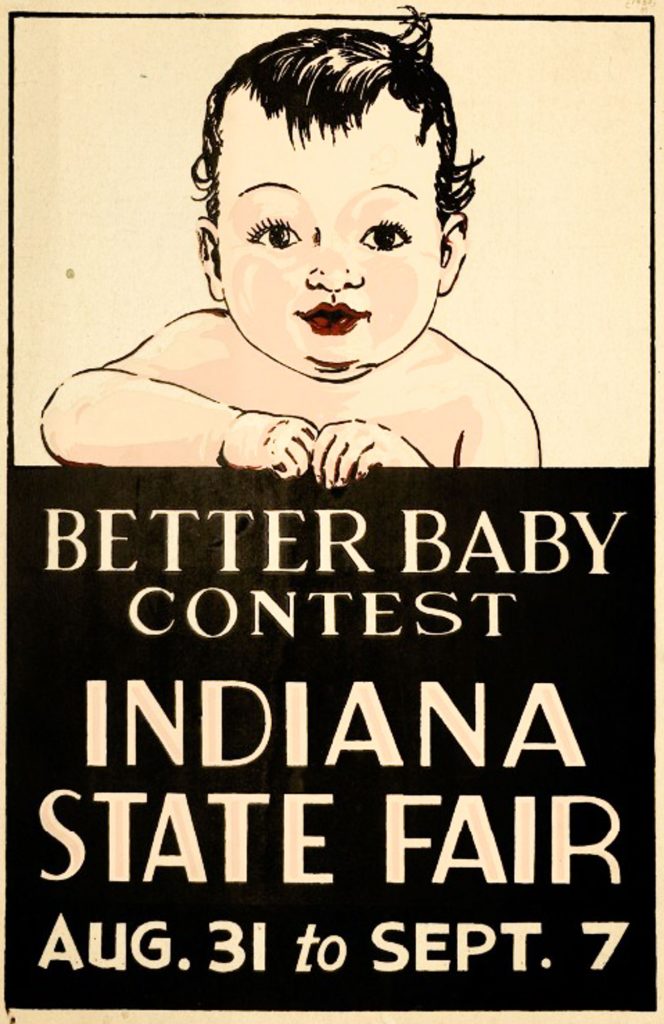
Schweitzer’s work implementing the Better Babies Contest was an outgrowth of her broader interests in promoting both and . Eugenics, a racist pseudoscience that achieved immense popularity in the Progressive Era, aimed at improving “desirable” heritable traits for the white population through forced sterilization, segregation, and restrictive immigration policies. Many reformers of the period, both in Indiana and nationally, saw eugenics as a means to promote the public “health” of the populace. This intertwinement was reflected in the policy realm: between 1905 and 1907, Indiana passed laws forbidding marriage between people deemed “socially undesirable,” implementing pure foods standards, and adopting the country’s first eugenic sterilization codes. Nationally, similar ambitions led to the establishment of the US Children’s Bureau in 1912, signaling the federal government’s interest in addressing infant mortality and child welfare. Schweitzer collaborated with the US Children’s Bureau from 1912 to 1918 to spread awareness about infant mortality and measures to reduce it.
Indiana was not unique in its reliance on eugenicist ideas to rate the healthfulness and “desirability” of childhood mental and physical attributes. In 1908, the Louisiana State Fair in Shreveport hosted the first Better Babies Contest. There, a doctor recorded physical and intellectual measurements for each competing child with the aim of constructing a standardized, scientific method of assessing infant development and presumed genetic fitness. This model soon spread across the country. By 1916, almost all US state fairs hosted such contests.
In 1919, Charles F. Kennedy, secretary of the Indiana Board of Agriculture, asked Schweitzer to host a Better Babies Contest at the 1920 Indiana State Fair. Schweitzer agreed, and the initial competition took place at the fairgrounds’ Women’s Building on September 8, 1920. Schweitzer described it as a “contest for the most perfectly formed specimens of Hoosier babies, and for the most healthful from a physical standpoint.”
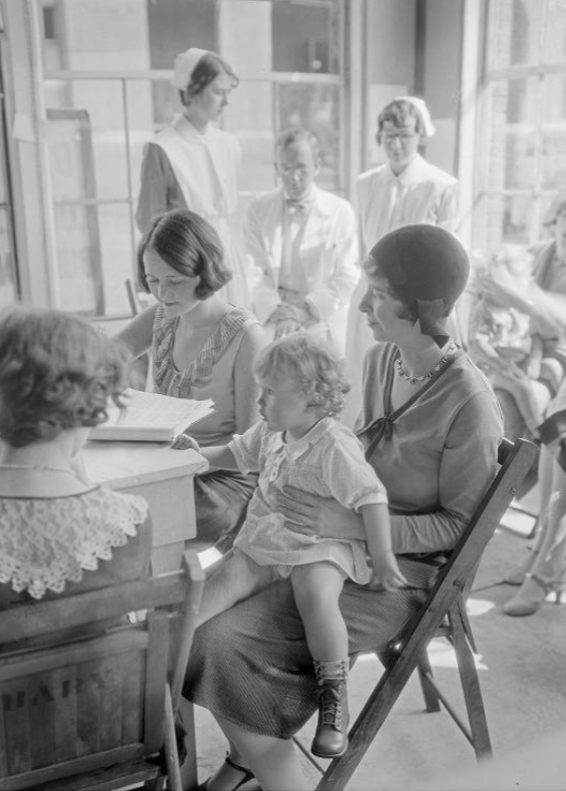
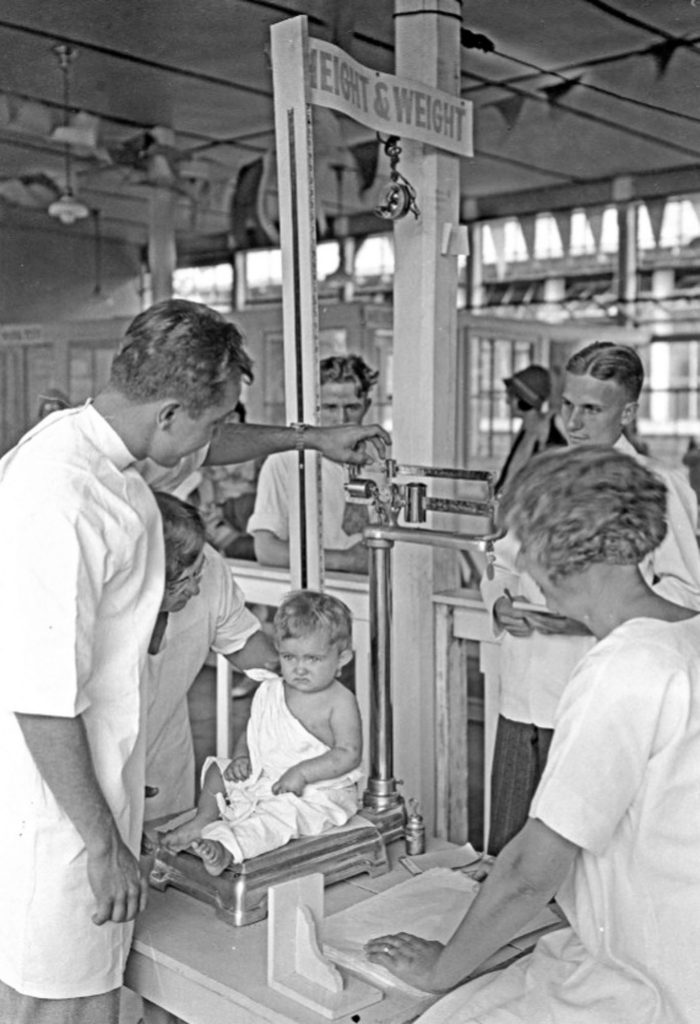
For the inaugural contest, mothers entered seventy-eight infants and children (either individual infants, twins, or triplets) for evaluation. The children were divided into groups based on age (12–24 months or 24–36 months), sex, and place of residence (urban or rural). James Carter, a pediatrician with the Indiana State Board of Health, assessed the children for “desirable” physical and mental traits on a 1000-point scale adopted from the Louisiana State Fair’s contest version. Telling the that “the infants’ show will be an education in eugenics,” Carter deducted points from each contestant based on physical characteristics such as unevenness of the head, scaly skin, delayed teething, abnormal ear size or shape, enlarged glands, deviations from national weight-to-height ratios, coordination difficulties, and what he deemed to be bad behavior. Local businesses such as the Weber Milk Company supplied prizes for the boy and girl deemed “fittest” in each age category. Spokespeople for the fair noted that the Better Babies Contest “was one of the chief attractions” at the 1920 Indiana State Fair.
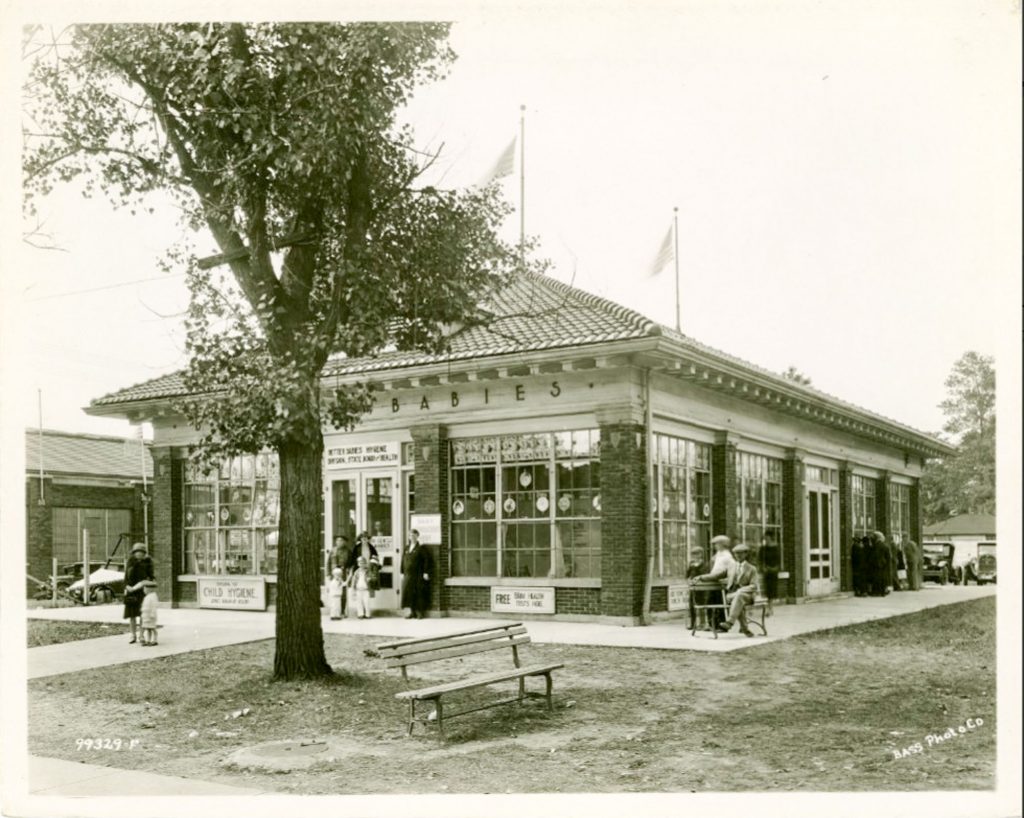
By 1924, the contest outgrew the Women’s Building. A $10,000 donation from J. E. Oliver, inventor of the chilled plow, enabled the construction of the Better Babies Building for exhibits, examinations of non-contestant babies, and demonstrations. The contest itself remained on the second floor of the Women’s Building. In 1927, to celebrate the fair’s Diamond Jubilee, the State Board of Agriculture and the Indiana state legislature financed the construction of another structure, the Better Babies Contest Building, specifically for contest activities, creating a dedicated two-building Better Babies complex. In 1928, more than 67,000 visitors passed through the combined facility.
These contests were imbued with racist ideas. African American and immigrant babies and children were excluded from the evaluations. They would not have qualified in any case, due to Schweitzer and Carter’s racially and ethnically exclusive checklist of preferred characteristics. African Americans in Indianapolis sought alternatives to the mainstream Better Babies contests. One catalyst was Booker T. Washington’s establishment of National Negro Health Week in 1915 to combat high morbidity and mortality rates among African Americans. That year in Indianapolis, the , an African American community center, collaborated with the Marion County Tuberculosis Association to host programming about infants and children’s health, nutrition, and well-being. The department store, , and co-founder provided cash prizes to all participants.
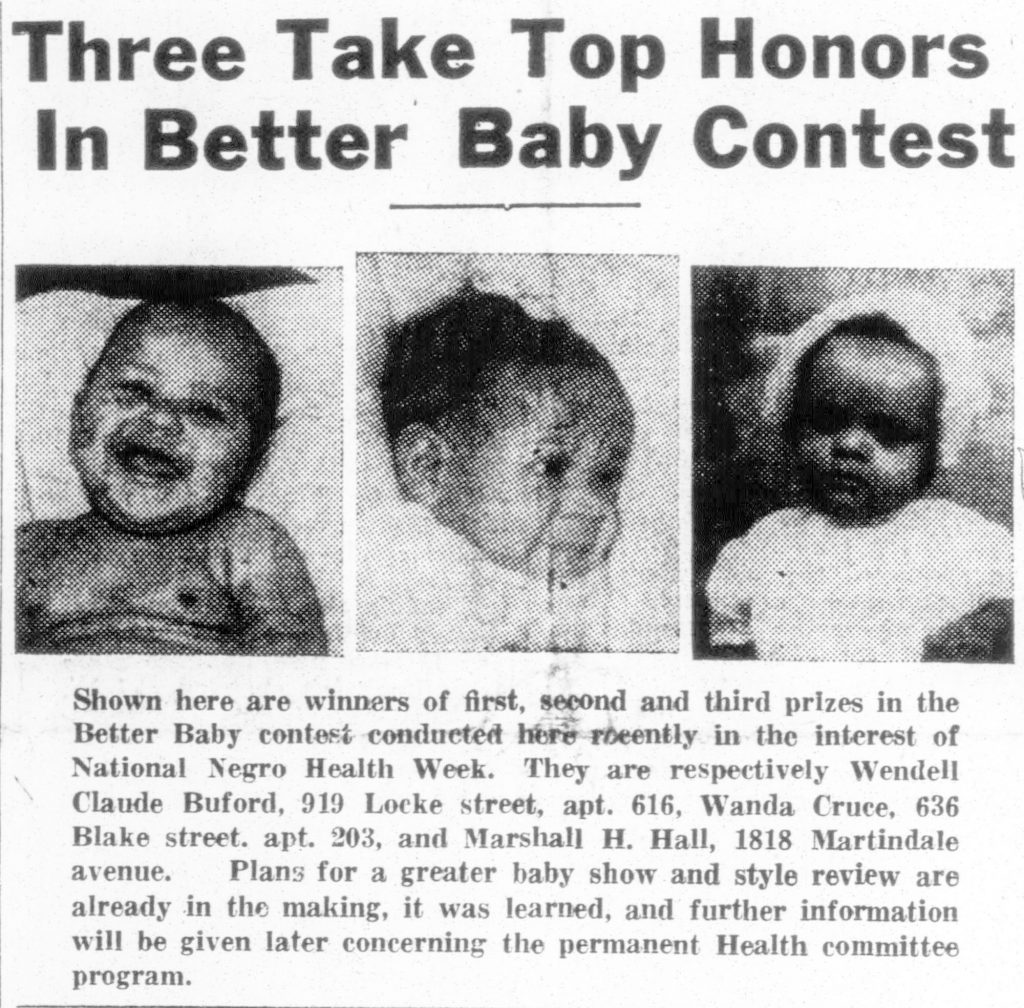
Later, from 1940 to 1951, the hosted National Negro Health Week in Indianapolis. During these events, the planning committee assembled a Better Babies Contest for Indianapolis’s African American infants and children. African American physician chaired an event committee of doctors and nurses, who brought public health information to Indianapolis’s African American community through films, exhibits, lectures, and medical literature. Mirroring the News’s publication of white Better Babies contestant photos, printed photos of the babies earning the top three spots in the annual African American contest version.
Parallel contests for infants and children born to Indianapolis’s Eastern European immigrants did not exist. Settlement houses such as the in the neighborhood inhabited by and Hungarians provided infant and maternal health screenings and education; however, the programming promoted similar ideologies about white racial superiority as Schweitzer did.
The Indiana State Fair hosted its last Better Babies Contest in 1932. Schweitzer’s legacy, meanwhile, remains complex. Her Better Babies work brought public awareness to prenatal, maternal, and pediatric health matters, and her activities with the Indiana Board of Health are widely credited with helping to reduce Indiana’s white infant mortality rate from 8.2 percent to 5.8 percent between 1920 and 1930. Yet her efforts remained focused on health improvements specifically for white Hoosiers, and the Better Babies Contest she spearheaded served to popularize and endorse discriminatory ideologies from the eugenics movement.
FURTHER READING
- Minna Stern, Alexandra. “Making Better Babies: Public Health and Race Betterment in Indiana, 1920–1935.” American Journal of Public Health, 92(5), May 2002: 742-752. https://ajph.aphapublications.org/doi/full/10.2105/AJPH.92.5.742.
- Vance Dorey, Annette K. Baby Contests: The Scientific Quest for Perfect Childhood Health in the Early Twentieth Century. McFarland Publishing, 1999. https://search.worldcat.org/title/41157679.
CITE THIS ENTRY
APA:
Verderame, J. A. (2026). Better Babies Contest at the Indiana State Fair. Encyclopedia of Indianapolis. Retrieved Oct 26, 2026, from https://indyencyclopedia.org/better-babies-contest/.
MLA:
Verderame, Jyoti A. “Better Babies Contest at the Indiana State Fair.” Encyclopedia of Indianapolis, 2026, https://indyencyclopedia.org/better-babies-contest/. Accessed 26 Oct 2026.
Chicago:
Verderame, Jyoti A. “Better Babies Contest at the Indiana State Fair.” Encyclopedia of Indianapolis, 2026. Accessed Oct 26, 2026. https://indyencyclopedia.org/better-babies-contest/.

Help improve this entry
Contribute information, offer corrections, suggest images.
You can also recommend new entries related to this topic.