←ⓘ Jump to a preselected date. Or, scroll down to view more.
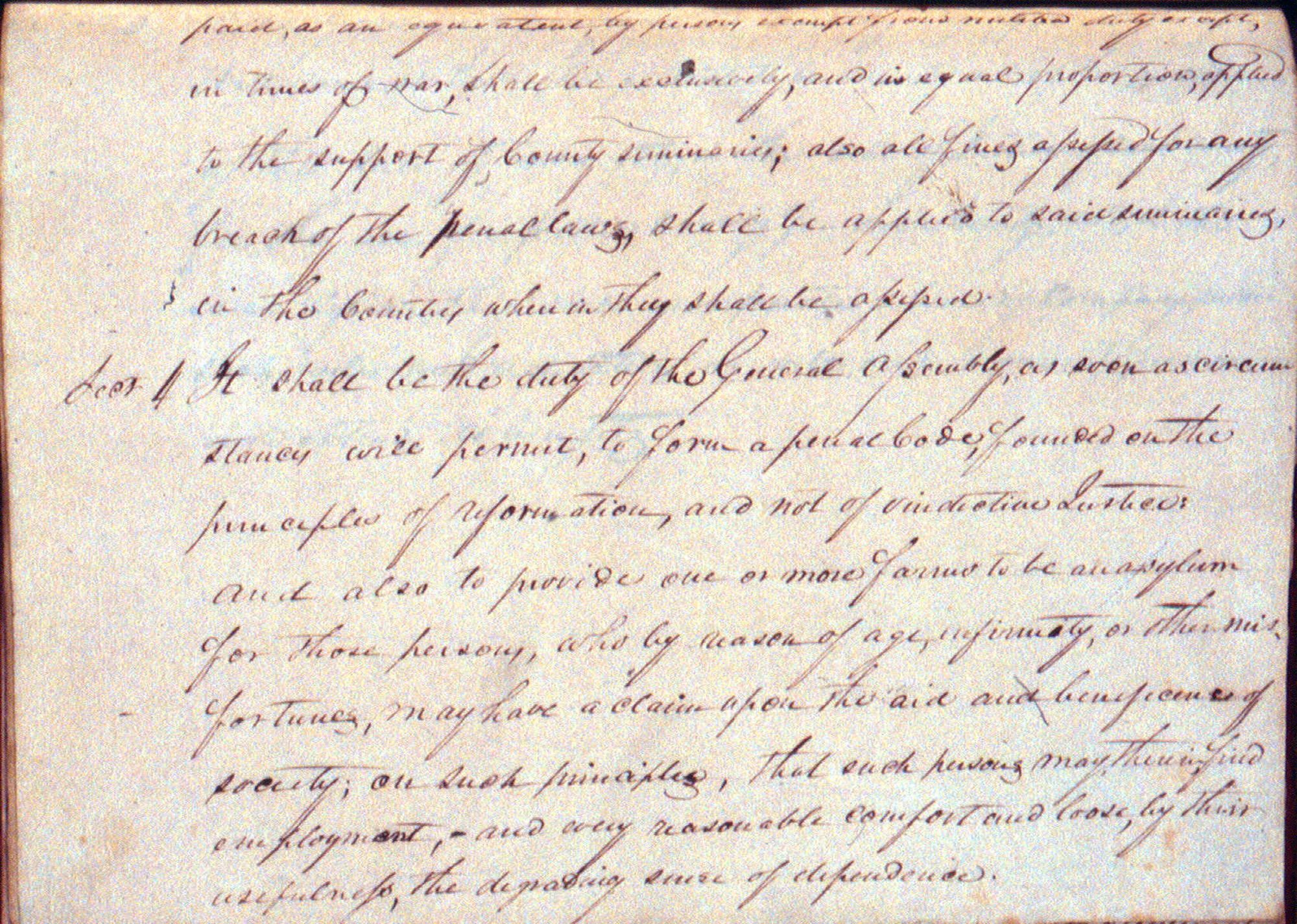
Indiana’s first constitution establishes asylum farms
Indiana’s first Constitution goes into effect. It calls for the establishment of farms to be used as asylums for the aged, disabled, or poor.
Pictured: Section of the 1816 Constitution of the State of Indiana stating “…and also to provide one or more farms to be an asylum for those persons, who by reason of age, infirmity, or other misfortunes, may have a claim upon the aid and beneficence of society…”
Credit: Indiana University Indianapolis View Source

Indiana sets aside land for future state hospital and asylum
Indiana’s legislature authorizes land to be set aside for a “state hospital and lunatic asylam,” though it would not officially open for another two decades.
Pictured: Passage from Laws of the State of Indiana, 11th Session, 1827
Credit: Internet Archive View Source
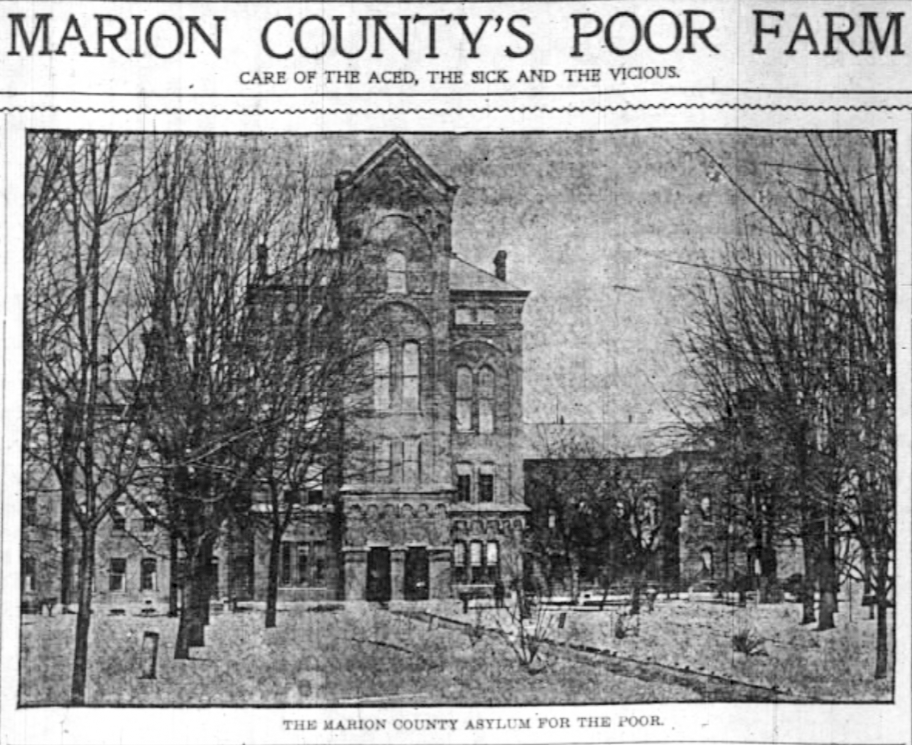
First poor farm opens
Marion County opens its poor farm to provide shelter and food for impoverished residents.
Pictured: Marion County Poor Farm, 1901
Credit: The Indianapolis News, Dec. 14, 1901
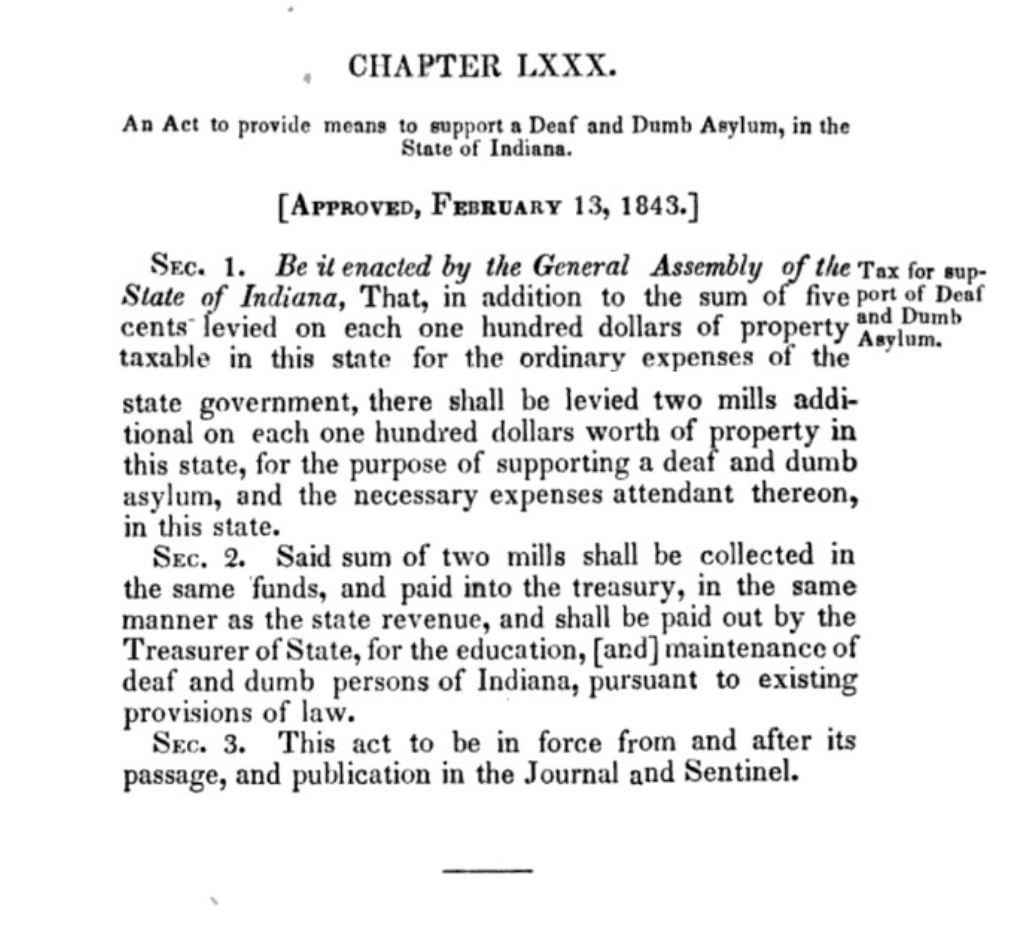
Indiana establishes property tax to fund support for deaf citizens
The Indiana General Assembly enacts a property tax to finance the education and housing of the state’s deaf population.
Pictured: Passage from General Laws of the State of Indiana, 27th Session, 1843
Credit: Public Domain View Source
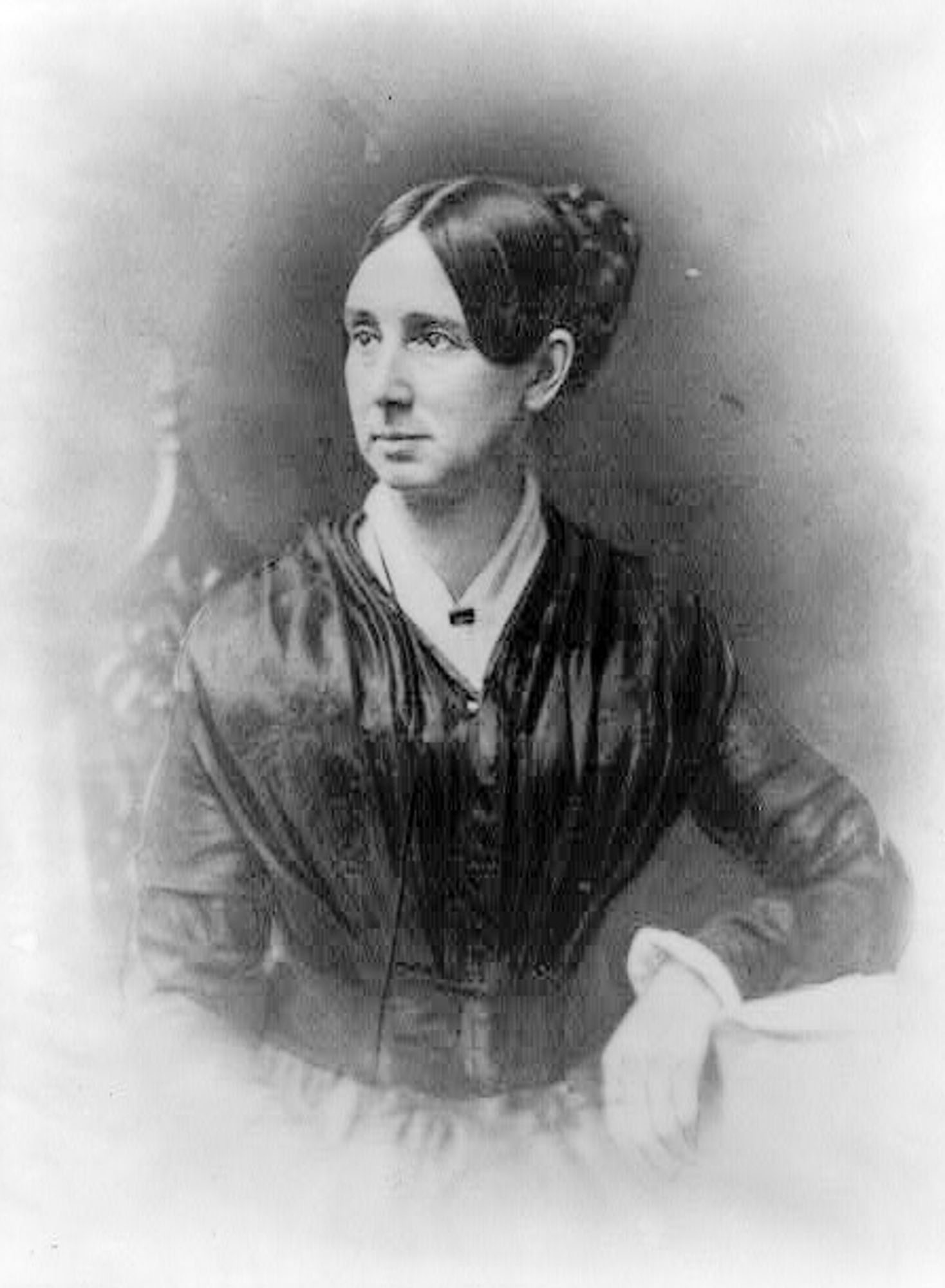
Dorothea Dix’s investigation spurs funding for a state asylum
Reformer Dorothea Dix inspects almshouses and jails near Indianapolis that house people experiencing poverty and mental illness. Her subsequent report helps persuade state legislators to approve funding for a “State Lunatic Asylum” to be located near Indianapolis.
Pictured: Dorothea Dix, n.d.
Credit: Library of Congress View Source
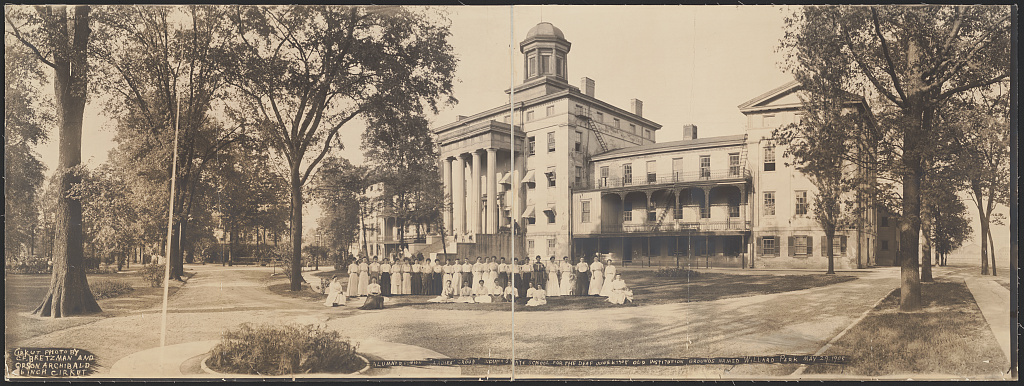
Willard School becomes the Indiana State Asylum for the Deaf and Dumb
The Indiana General Assembly passes an act that makes Willard School, which opened in October 1843 to serve deaf children, an official state institution. The school is renamed the Indiana State Asylum for the Deaf and Dumb in January 1844.
Pictured: Alumni reunion, “Ladies’ Group”, Indiana State School for the Deaf, June 6, 1908
Credit: Library of Congress View Source
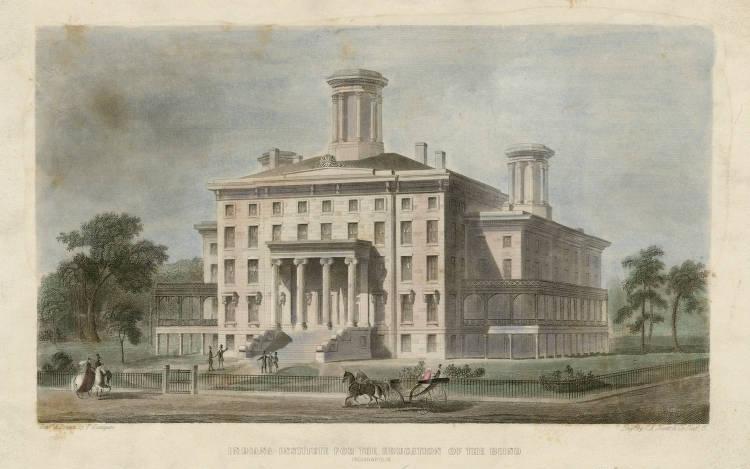
Indiana establishes the Institute for the Education of the Blind
James M. Ray arranges for an exhibition for the Indiana legislature by the superintendent of the Kentucky Institute for the Blind. The exhibition convinces legislators to levy a tax to raise funds to purchase property for a school for Indiana’s blind students.
Pictured: Indiana School for the Blind, ca. 1850s
Credit: Indiana Historical Society View Source
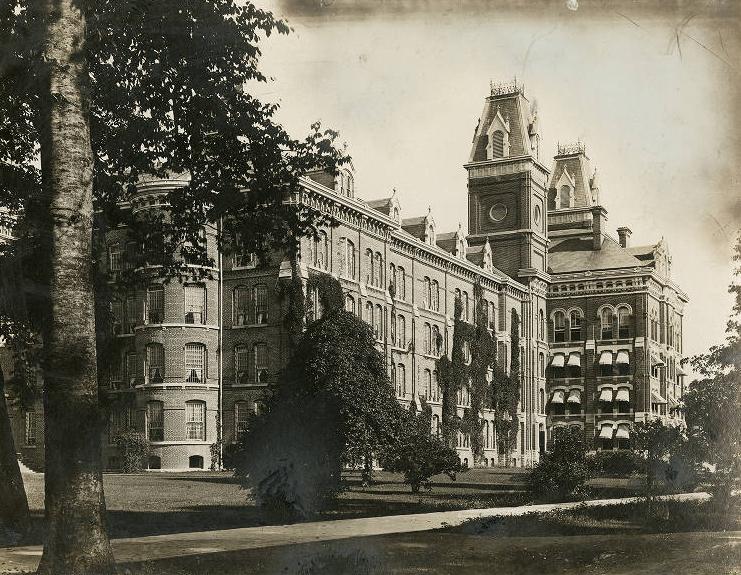
Indiana Hospital for the Insane opens
Indiana Hospital for the Insane, later named Central State Hospital, opens and admits its first five patients. The hospital, which serves patients with mental illnesses, expands to 300 patients within ten years.
Pictured: Central State Hospital Department for Women “Seven Steeples,” n.d.
Credit: Indiana Historical Society View Source
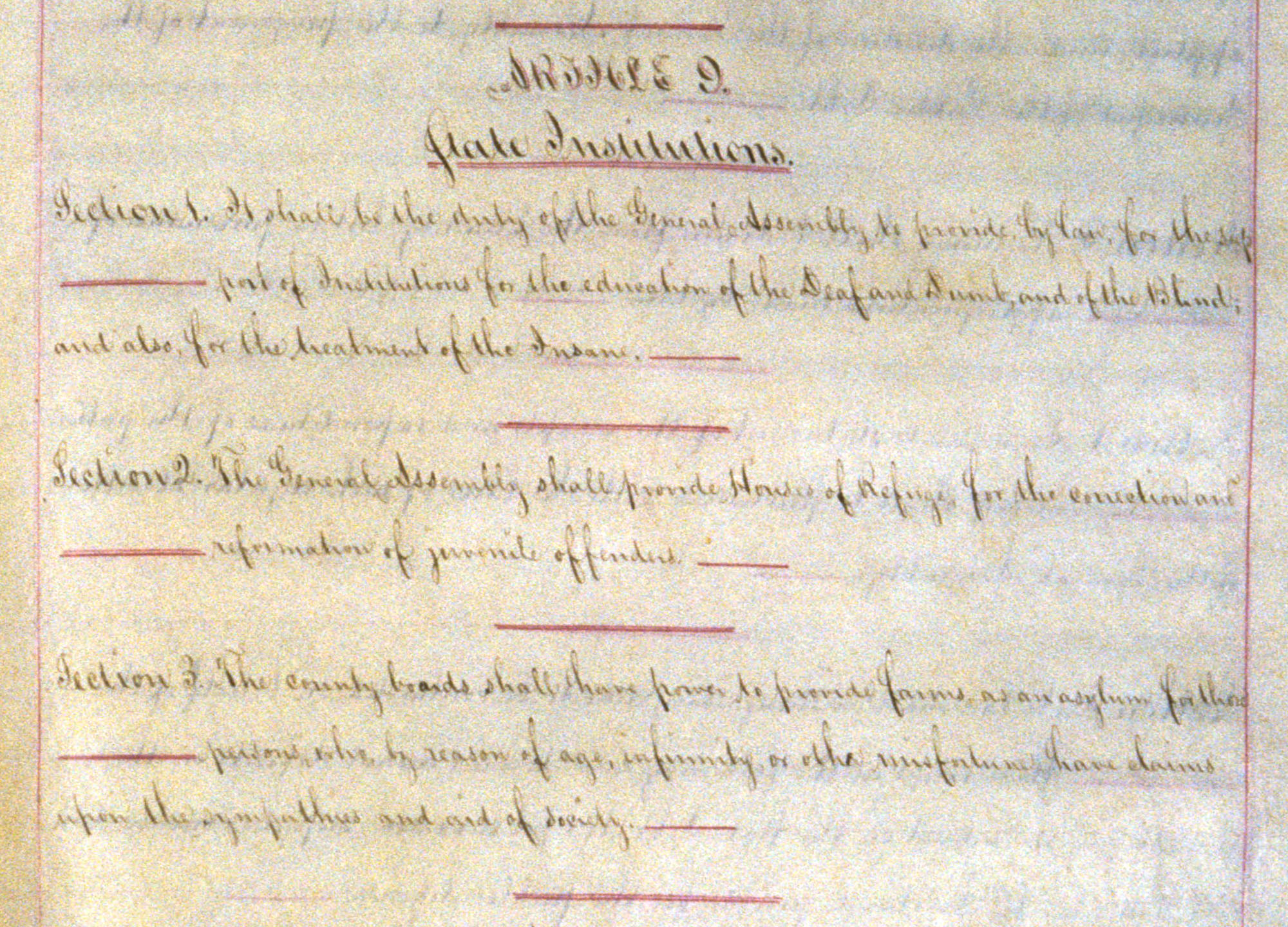
New Indiana constitution adds support services for individuals with physical and mental disabilities
Indiana’s new constitution is approved. Article nine mandates state support for institutions educating Indiana citizens who are deaf, mute, and blind, and for facilities providing treatment and care for individuals classified as insane.
Pictured: Constitution of the State of Indiana 1851.
Credit: Indiana University Indianapolis View Source
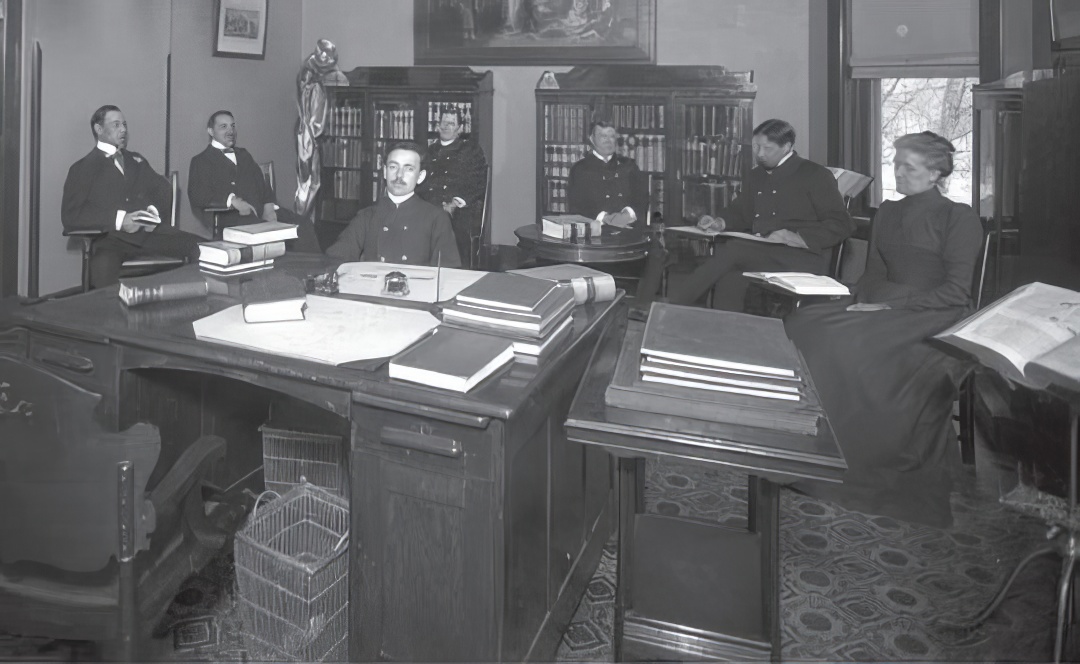
First female physician is hired at Central State Hospital
Dr. Sarah Stockton joins Central State Hospital as its first female physician. She specializes in gynecological disorders that, at the time, are believed to worsen mental illness among female patients.
Pictured: Dr. Sarah Stockton with colleagues at the Central State Hospital pathology lab library, 1910
Credit: Indiana Archives and Records Administration View Source
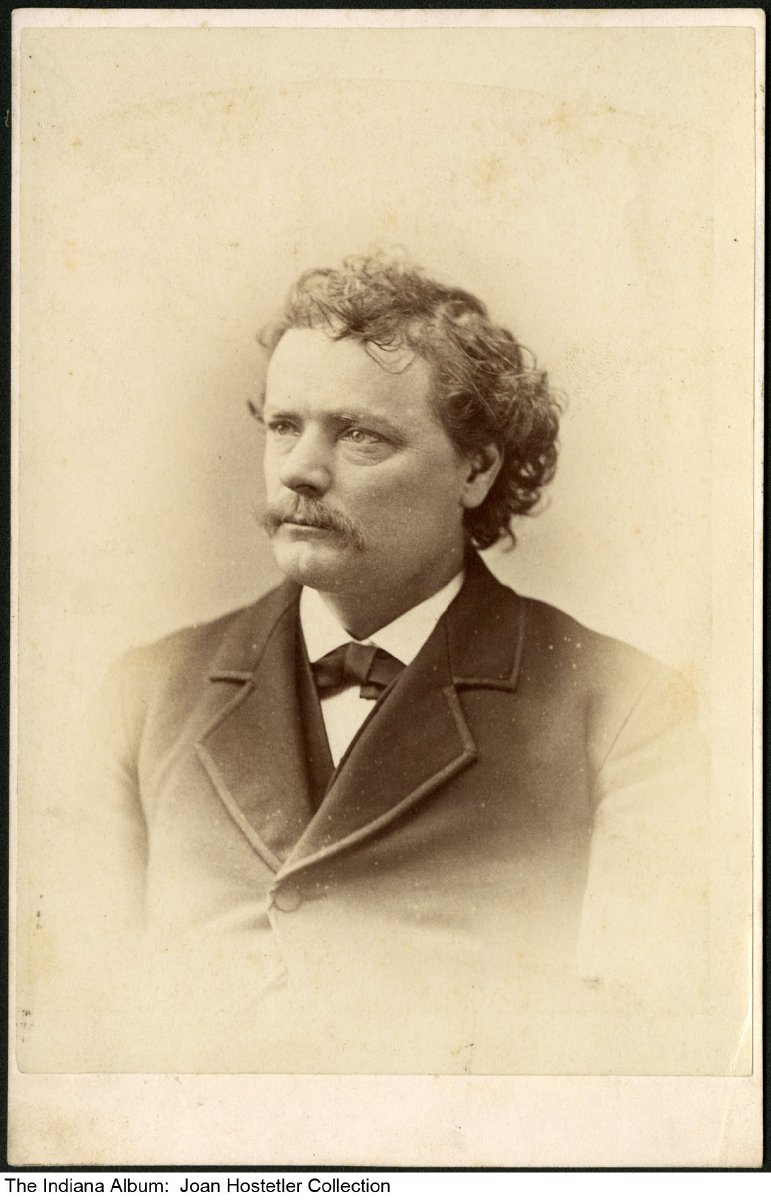
Central State superintendent burns restraints in public push for humane care
Dr. William Fletcher, Central State Hospital superintendent, publicly burns physical restraints. The hospital later fires him and reverts to sedatives and restraints to manage patients, abandoning his brief attempt at humane treatment.
Credit: The Indiana Album: Joan Hostetler CollectionView Source
Indiana Association of the Deaf is founded
A group of deaf citizens form the association to advocate for the rights of deaf Hoosiers.
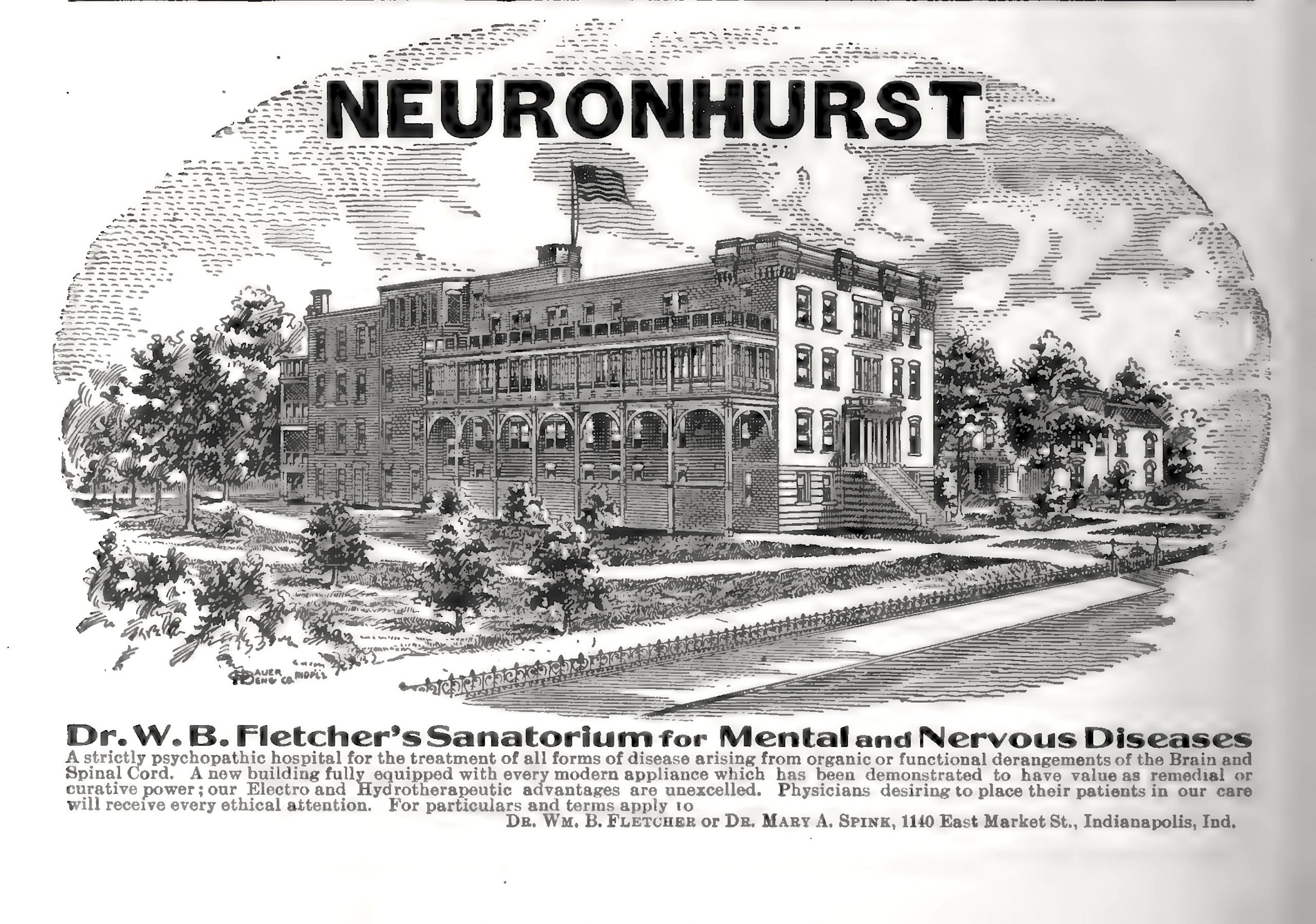
First privately run sanitorium begins operation
Dr. William Fletcher opens W. B. Fletcher’s Sanitorium (later renamed Neuronhurst), the first private facility for the treatment of nervous and mental diseases in Indiana.
Pictured: Neuronhurst advertisement, 1906
Credit: American Medical Directory (1906) via Internet Archive View Source
Indiana creates the Board of State Charities
The board oversees Indiana’s benevolent institutions, including state welfare and correctional facilities that serve poor and disabled residents.
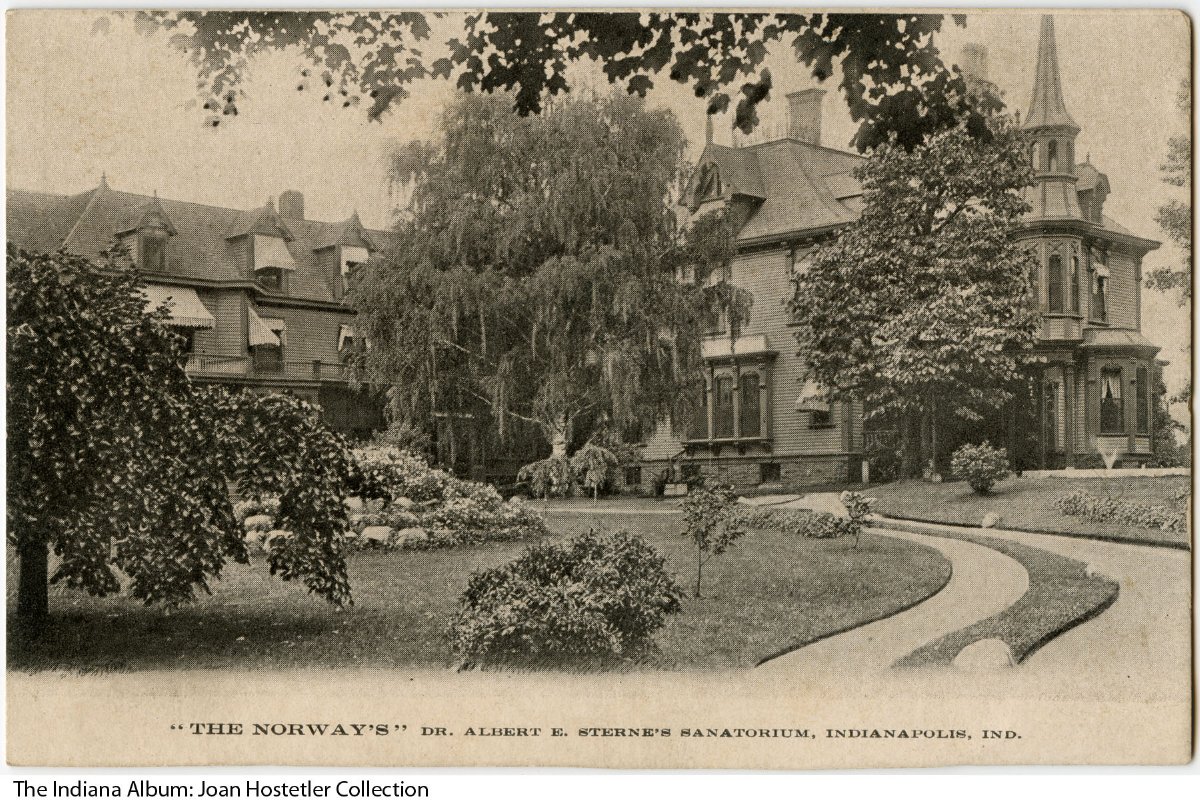
Second privately run sanitorium begins operation
Norways Sanitorium opens, becoming the second private psychiatric hospital established in Indianapolis.
Pictured: Norways Sanitarium, ca. 1905
Credit: The Indiana Album: Joan Hostetler Collection View Source
Industrial Home for Blind Men opens
The workshop, which provides blind men jobs making brooms, employs its first four workers.
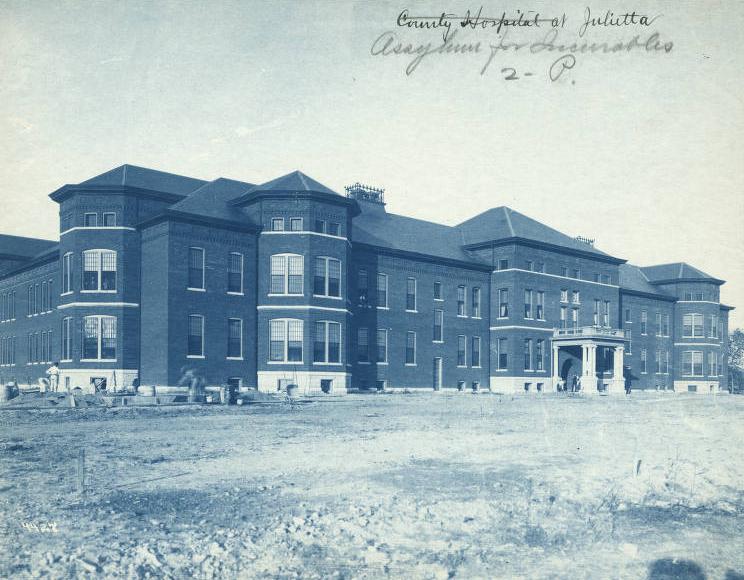
Marion County Hospital for the Insane at Julietta opens
The new facility provides care and shelter for individuals with mental illnesses who were previously housed in the county poor farm.
Pictured: The Julietta Asylum, ca. 1900
Credit: W.H. Bass Photo Company Collection, Indiana Historical Society View Source
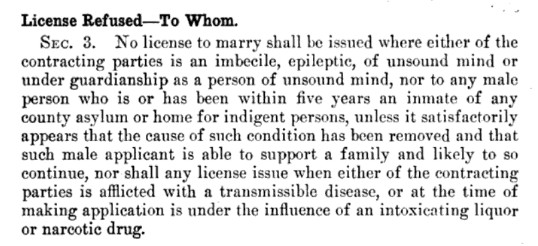
Indiana passes one of the first restrictive marriage laws in the United States
The law prohibits individuals who are deemed mentally disabled, have a transmissible disease, or are known alcoholics from marrying.
Pictured: Passage from Laws of Indiana, 64th Session, 1905
Credit: Public Domain View Source
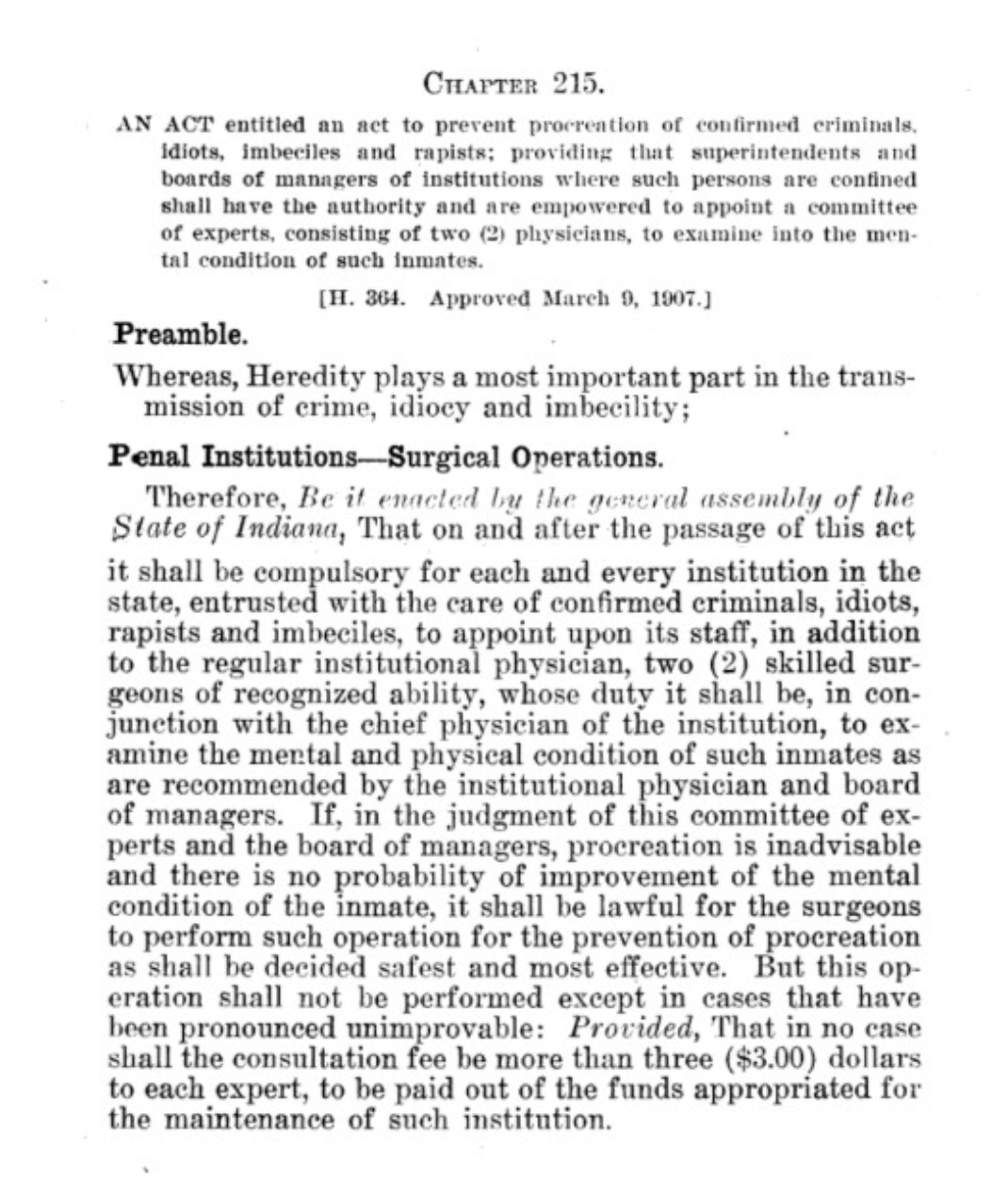
Indiana State Legislature approves the world’s first eugenic sterilization law
The new law provides for the involuntary sterilization of “confirmed criminals, idiots, imbeciles, and rapists.” By targeting people labeled as “idiots” and “imbeciles,” the law specifically singles out individuals with intellectual and developmental disabilities.
Pictured: Passage from Laws of Indiana, 65th Session, 1907
Credit: Public Domain View Source
Separate classes begin at Indianapolis Public Schools (IPS) for children who are deemed mentally abnormal
Several special classes within the IPS system begin to be referred to as classes for “mentally defective children.” The Simon-Binet Intelligence Test, a test that claims to distinguish between normal and abnormal children, is used to select the students.
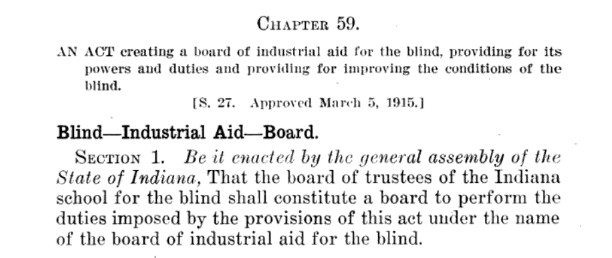
Board of Industrial Aid for the Blind is created
The Indiana General Assembly approves an act to create the Board of Industrial Aid for the Blind. Its mission is to identify how to aid and improve the conditions of the blind.
Pictured: Passage from Laws of Indiana, 69th Session, 1915
Credit: Public Domain View Source
Governor Samuel Ralston establishes the Indiana Committee on Mental Defectives
The committee studies and collects data about “the epileptic, the insane, and the feeble-minded” to solve “the problem of mental defectives” in Indiana.
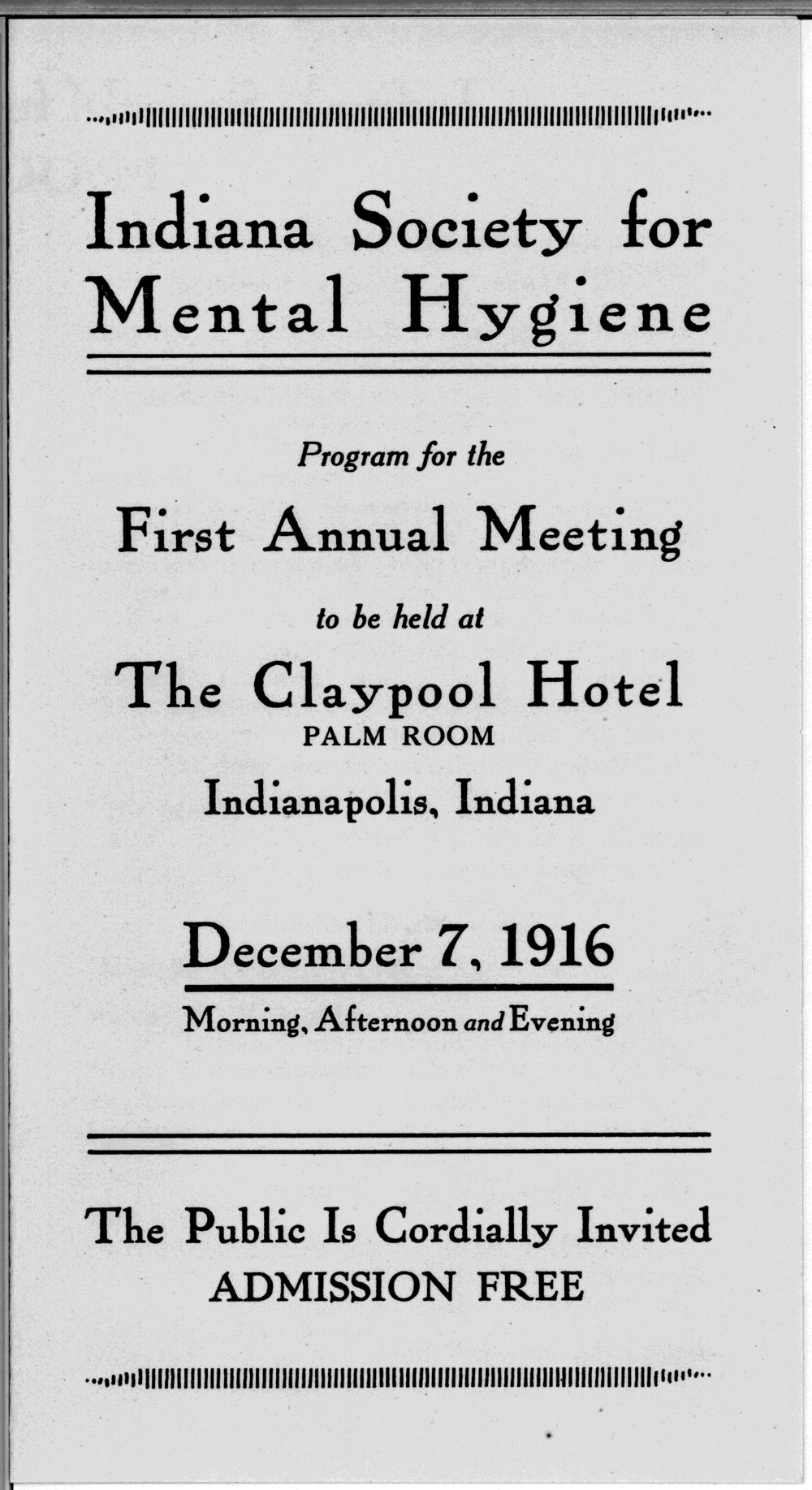
Indiana Society for Mental Hygiene is organized
The society’s purpose is to conserve mental health, prevent mental illness and intellectual disabilities, and improve the care and treatment of people living with mental illness and intellectual disabilities. It also works to advance public education through annual meetings featuring prominent speakers.
Pictured: Flyer for the First Annual Meeting of the Indiana Society for Mental Hygiene, 1916
Credit: Indiana University View Source
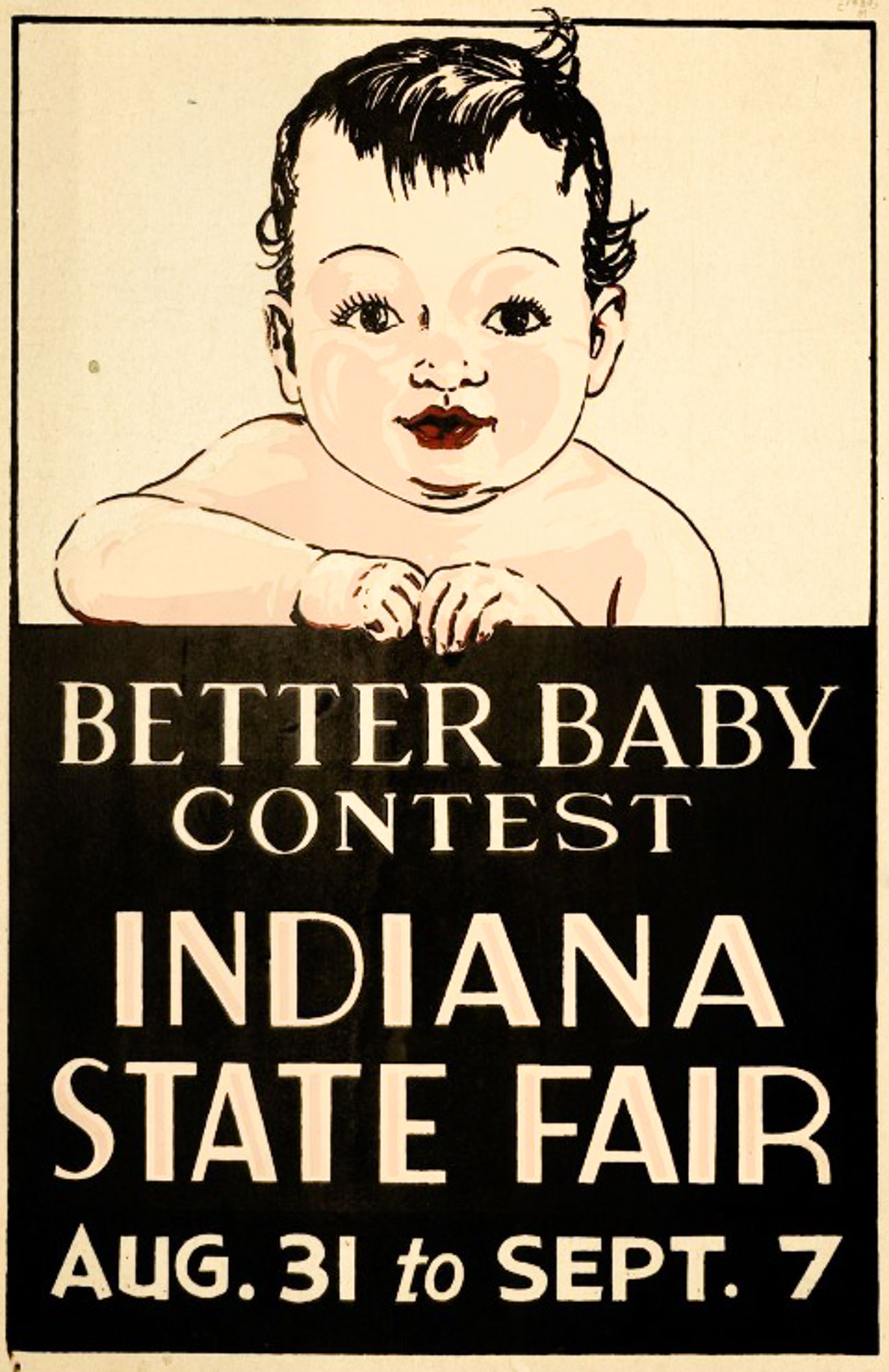
First Better Babies Contest is held at the Indiana State Fair
Connected to the eugenics movement, the contest encourages scientific motherhood and infant hygiene as routes to human improvement.
Pictured: Broadside publicizing the Better Baby Contest at the Indiana State Fair, 1930
Credit: Indiana State Library broadsides collection, Rare Books and Manuscripts Division, Indiana State Library View Source
Indiana sterilization law ruled unconstitutional
Indiana Supreme Court rules the 1907 Indiana sterilization law unconstitutional because it denies due process of the law granted by the Fourteenth Amendment.
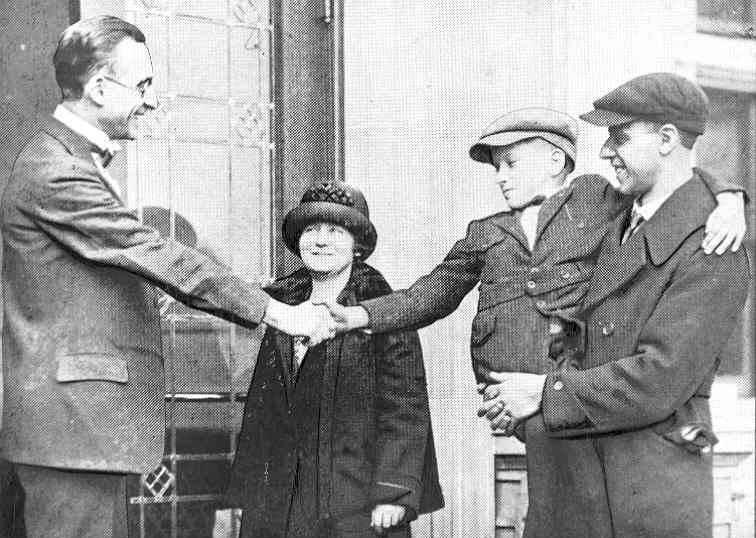
James Whitcomb Riley Hospital for Children begins treating patients
The hospital is established to honor the memory of James Whitcomb Riley, the widely known Hoosier poet whose work celebrated childhood, while also creating a place where children with disabilities and complex health conditions can receive specialized care.
Pictured: First patient Mark Noble admitted to Riley Hospital, 1924
Credit: Indiana University Indianapolis View Source
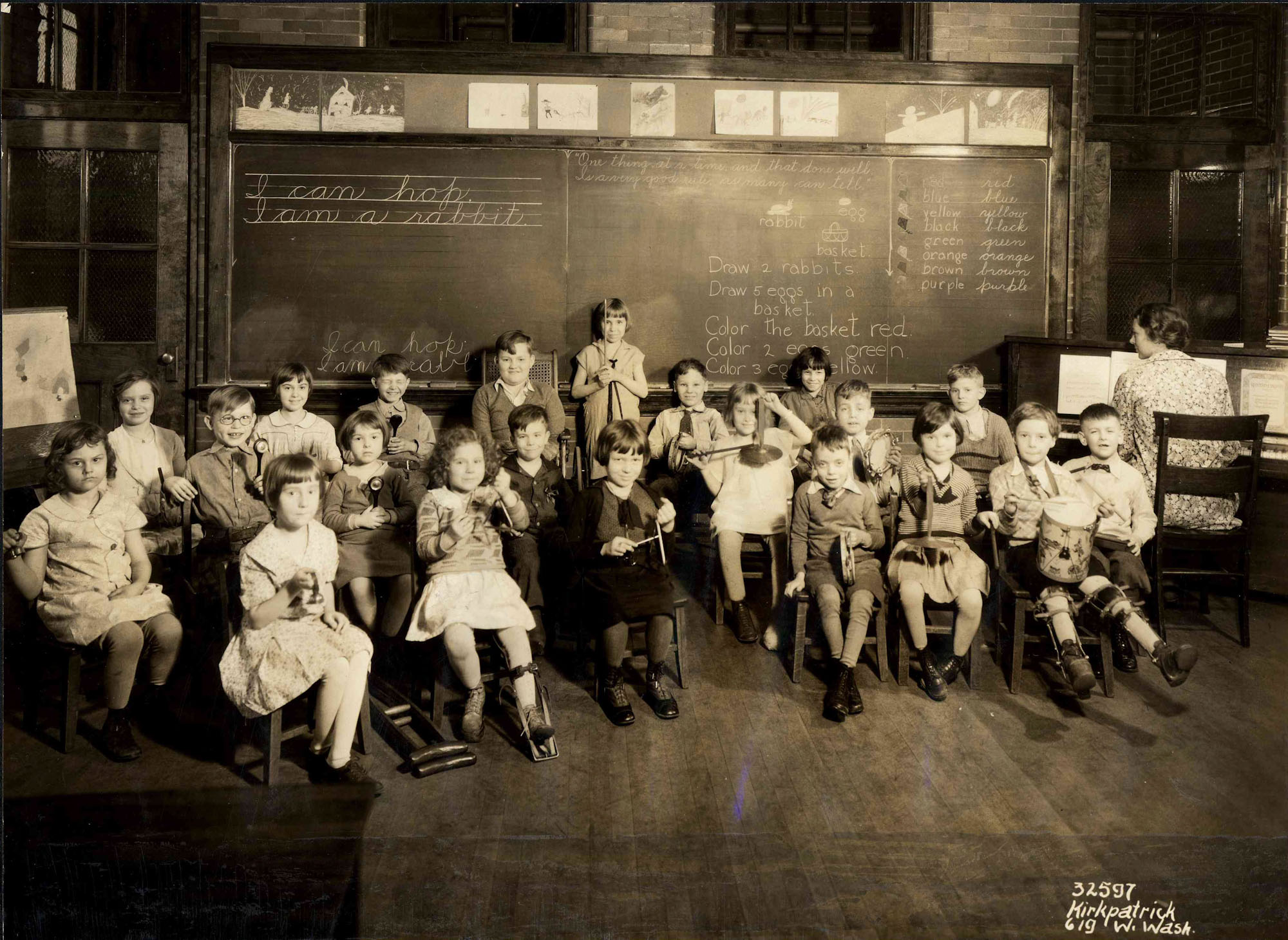
School for Crippled Children opens
The school is established after a survey in 1924 indicates a need for a special educational facility in Indianapolis. It occupies the old School No. 5 building on the city’s near west side.
Pictured: Class in the School for Crippled Children, 1932
Credit: Indianapolis Public Library View Source
Indiana General Assembly passes a bill to aid children with physical disabilities in public schools
The law requires the state to pay most of the extra costs public schools face when providing specialized education for students with visual, hearing, speech, or other physical disabilities that affect learning.
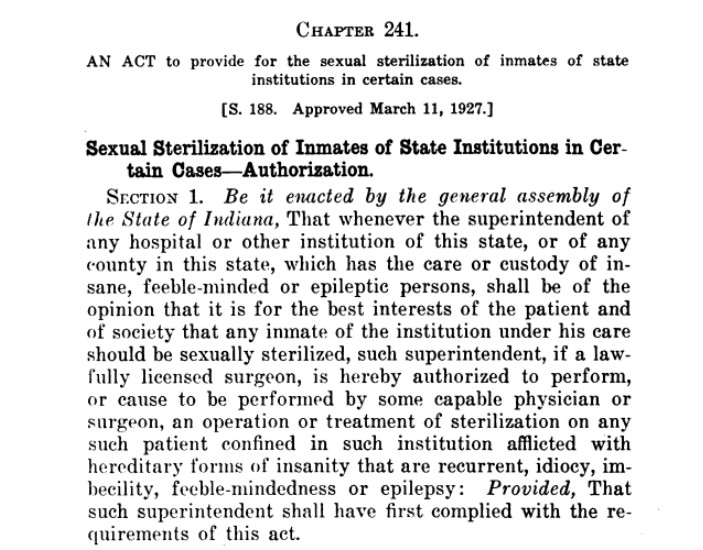
Indiana sterilization law is reinstated
The 1907 Indiana sterilization law, which singles out individuals with intellectual and developmental disabilities as well as other groups, is revised and reinstated. The law now grants due process of the law as required by the Fourteenth Amendment
Pictured: Passage from Laws of Indiana, 75th Session, 1927
Credit: Public Domain View Source
Indianapolis Public Schools (IPS) launches first class for students with vision impairments
The IPS system adds a class for students with vision impairments. In 1939, the school system adds a second class.
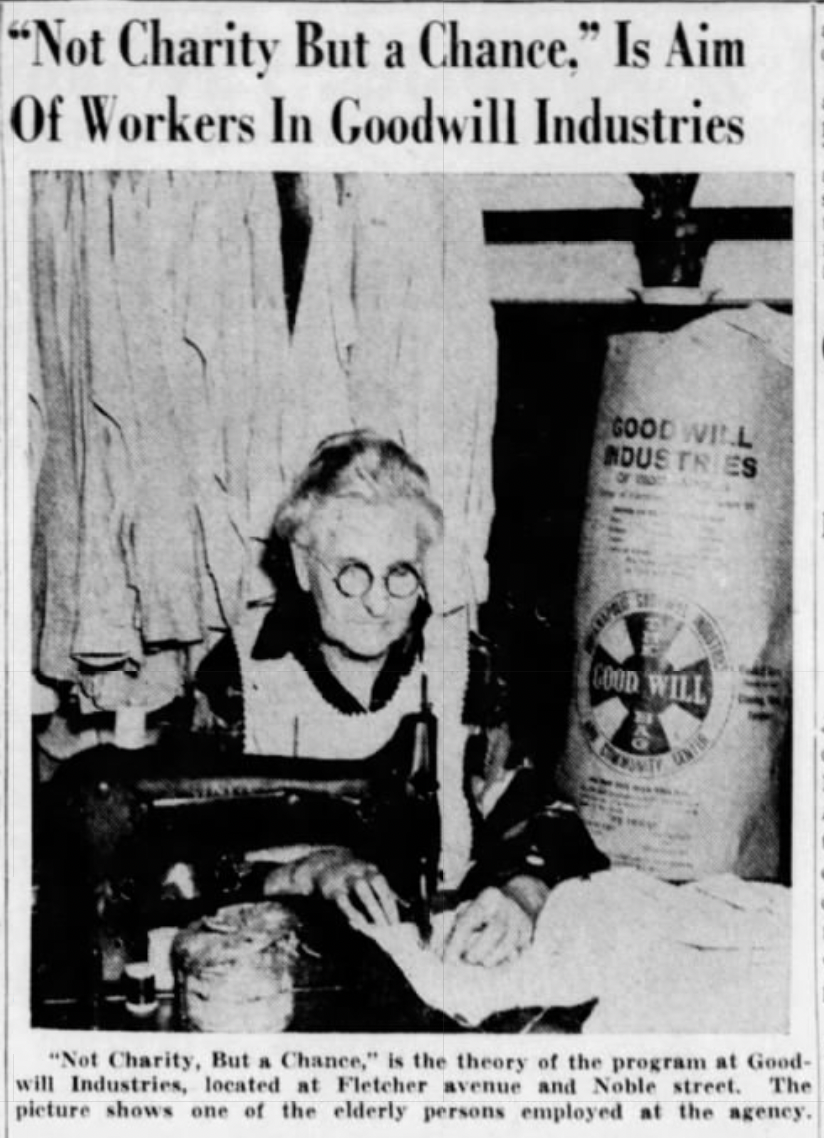
Indianapolis Goodwill branch established
Rev. Albert J. Spaulding opens the Indianapolis branch of Goodwill Industries in the basement of Fletcher Place Methodist Church. The organization sells used goods to fund support for underprivileged and disabled individuals.
Pictured: Goodwill employee mending used clothing, 1941
Credit: IndyStar, April 13, 1941
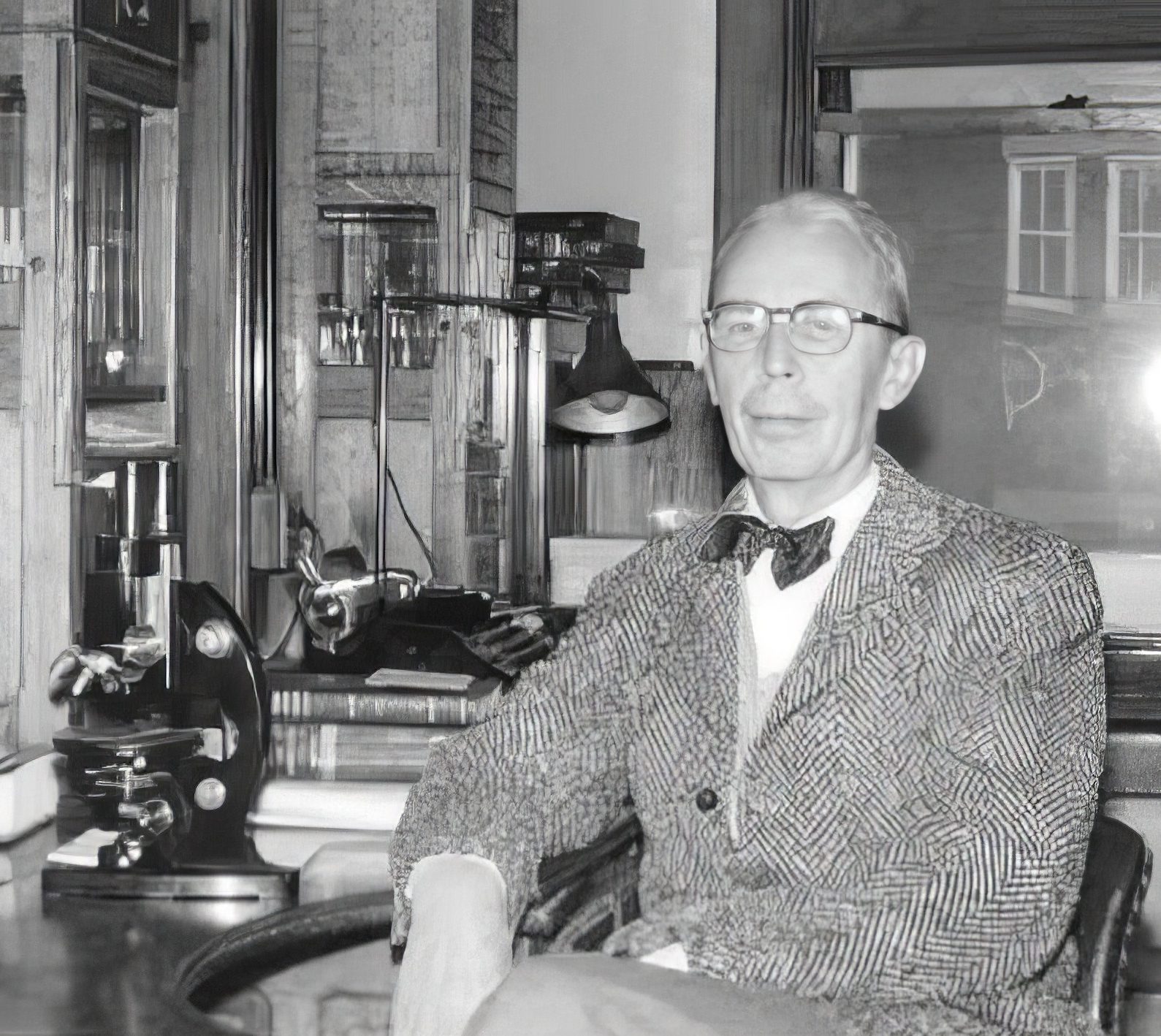
Indianapolis physician creates treatment for syphilis
Dr. Walter Bruetsch, a physician at Central State Hospital, pioneers a treatment for syphilis that involves using malaria to combat the disease. At this time, syphilis is the leading cause of mental illness.
Pictured: Walter L. Bruetsch, 1957
Credit: Indiana University Indianapolis View Source
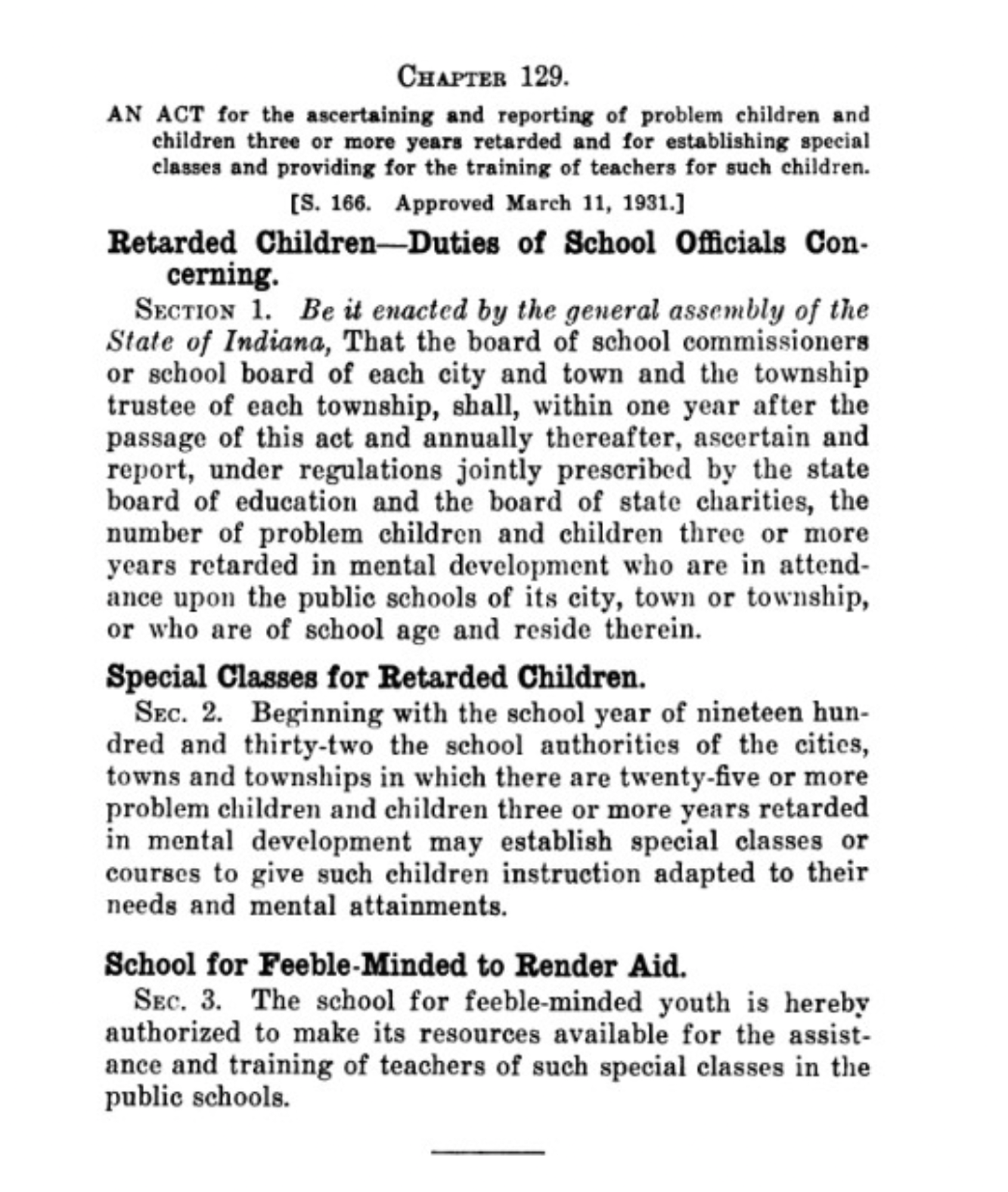
Indiana state legislature passes an act establishing dedicated classes for children with intellectual or developmental disabilities
The act authorizes public schools to establish specialized classes where at least 25 students require adapted instruction, and it provides resources for teacher training through the School for Feeble-Minded Youth.
Pictured: Passage from Laws of Indiana, 77th Session, 1931
Credit: Public Domain View Source
Indianapolis Public Schools (IPS) launches first class for students with hearing impairments
The IPS system adds a class for students who are deaf or hard of hearing.
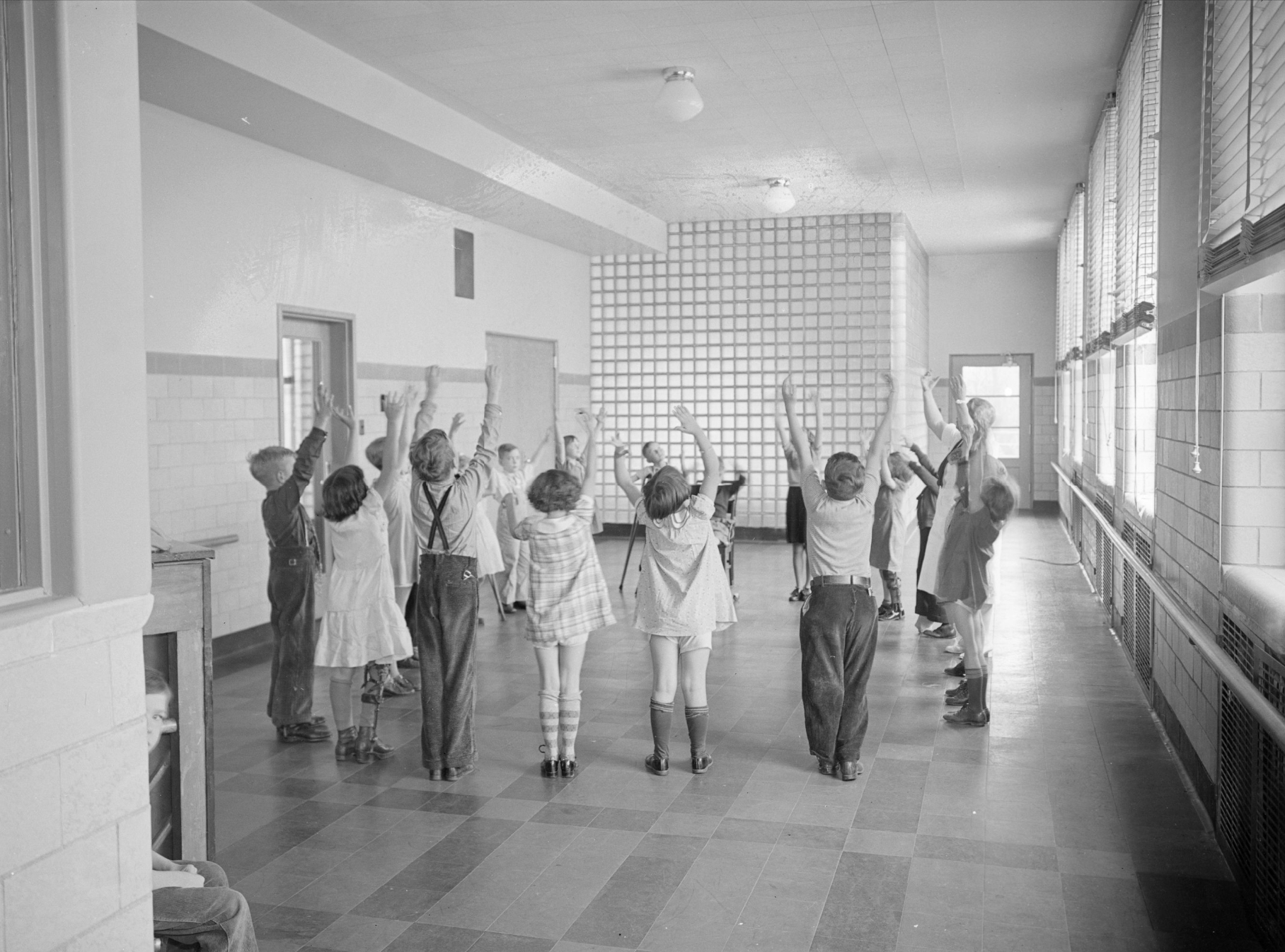
James E. Roberts School for Crippled Children opens
It is the first public school in Indiana for children with physical disabilities.
Pictured: Children Stretching at James E. Roberts School (school No. 97), 1936
Credit: Indiana Historical Society View Source
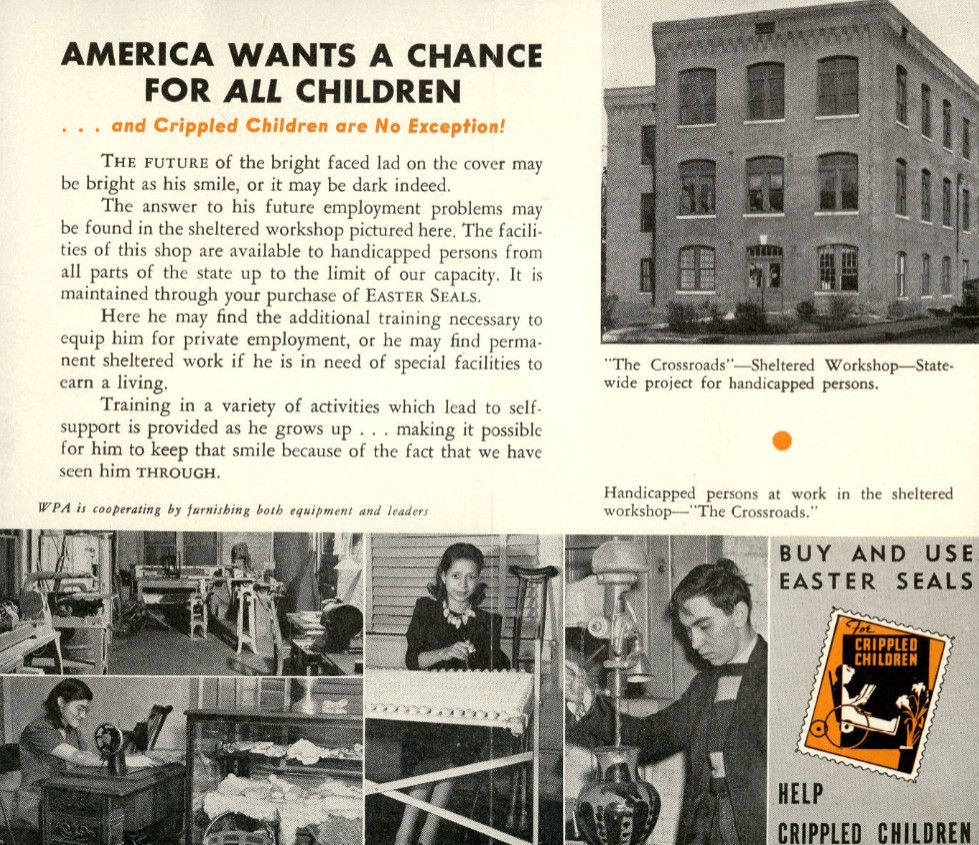
Easterseals Crossroads is founded
Easterseals Crossroads is officially organized under the leadership of The Indiana Society for Crippled Children. The group provides support to persons with disabilities and prepares them for jobs in the community.
Pictured: Easterseals Crossroads brochure, ca. 1940s
Credit: Indianapolis Public Library View Source
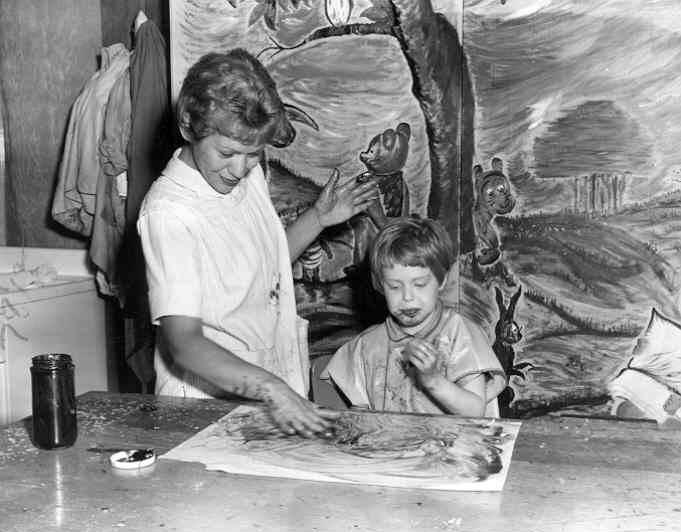
Larue Carter Hospital opens
The hospital is the first facility specializing in the screening and evaluation of patients with mental illness.
Pictured: Occupational Therapist, Elizabeth Seitz (Hudson), with a patient at Larue Carter Memorial Hospital, 1962
Credit: Indiana University Indianapolis View Source
United Cerebral Palsy Association of Greater Indiana is founded
The association provides support for children with cerebral palsy and their families.
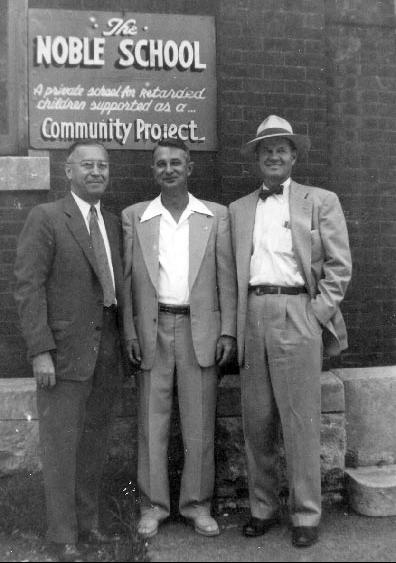
First Nobel School opens
The school provides formal education for children with developmental disabilities.
Pictured: Founders of the Noble School, n.d.
Credit: Noble, Inc. View Source
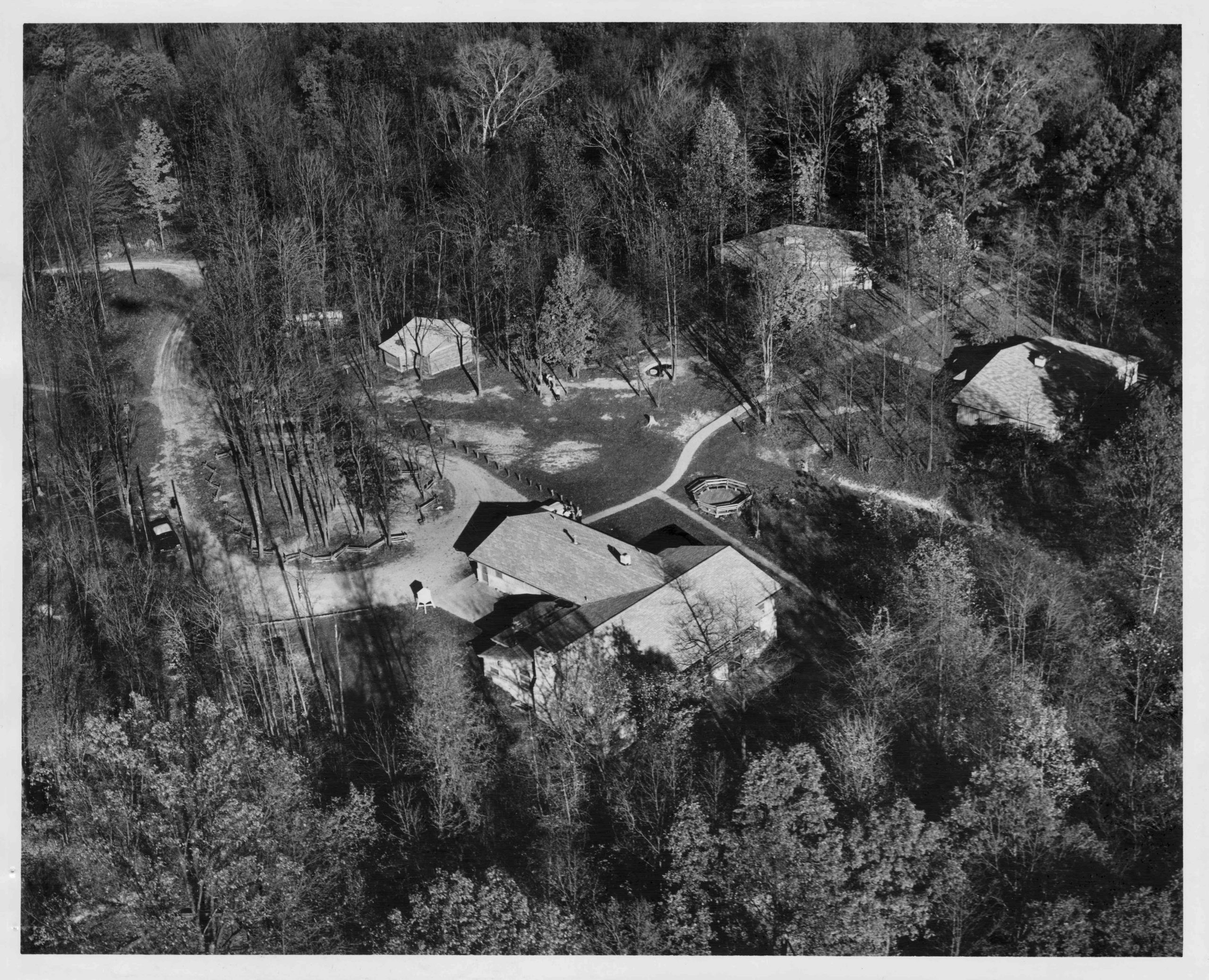
Camp Riley for Youth with Physical Disabilities opens at Bradford Woods
The camp provides an outdoor education and recreation experience for children with physical challenges.
Pictured: Aerial view of Camp Riley at Bradford Woods Recreational Area, 1962
Credit: Indiana University Indianapolis View Source
Federal government signs license for Eli Lilly and Company to begin Salk polio vaccine distribution
Indianapolis-based Eli Lilly and Company becomes the first manufacturer to mass-produce and distribute the Salk polio vaccine, helping prevent a disease that is known to cause paralysis and lifelong disability.
The Arc of Indiana is founded
The group is established by parents of children with intellectual and developmental disabilities (IDD) and their families. It advocates for disability rights and provides vocational training for children with IDD.
Indiana General Assembly creates the Division on Mental Retardation
The division, which is part of the Department of Mental Health, is tasked with developing a program of community-based services for people with intellectual disabilities.
First Midtown Community Mental Health Center opens
The first Midtown Community Mental Health Center in Indiana opens at Marion County General Hospital, later named Sidney & Lois Eskenazi Hospital.
Pictured: Midtown Community Mental Health logo, 1979
Credit: University of Indianapolis View Source
Special Olympics Indiana founded in Terre Haute
Special Olympics Indiana is founded by two Indiana State University professors. The headquarters move to Indianapolis in 1989.
Council of Volunteers and Organizations for Hoosiers with Disabilities is formed
The council is created to advocate for legislative and policy initiatives that promote the welfare of people with disabilities.
Hear Indiana is established
The organization’s goal is to create equal opportunities for children with hearing impairment through a focus on listening and spoken language services.

Meals on Wheels is established
The program provides meals to “the elderly and those unable to do their own cooking” across the city.
Pictured: Meals on Wheels volunteers deliver a basket of food to Golda Hayden (right) at her home, 1977
Credit: Indianapolis Star, Feb. 6, 1977
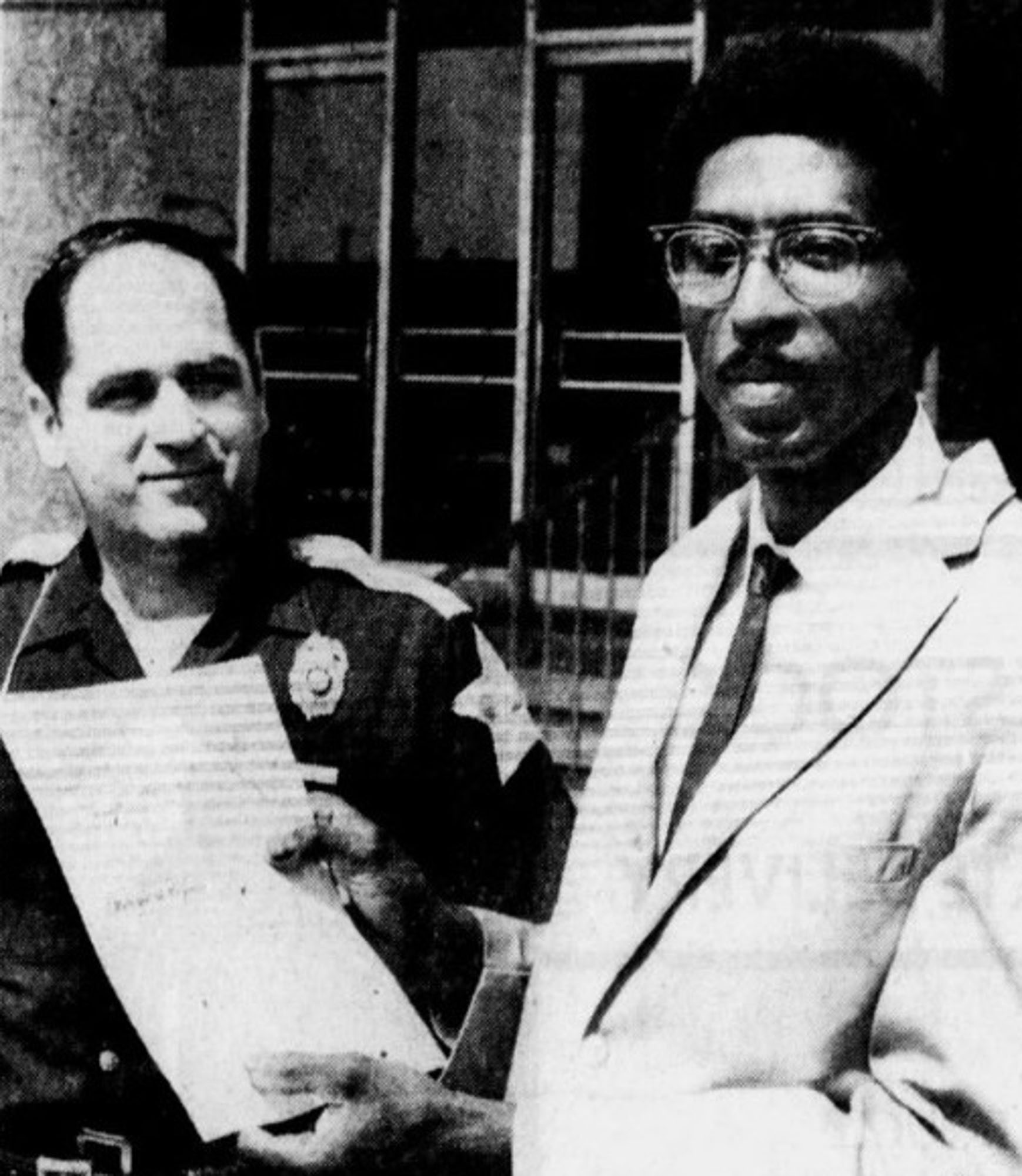
Jackson v. Indiana ends indefinite detention of defendants deemed incompetent
In 1968, Theon Jackson, a cognitively impaired deaf and mute Indianapolis resident, is deemed incompetent to stand trial for robbery and is instead committed indefinitely to a mental institution. Four years later in Jackson v. Indiana, the US Supreme Court rules that individuals found incompetent to stand trial cannot be held indefinitely.
Pictured: Theon Jackson with prisoner release form, 1972
Credit: Frank H. Fisse, Indianapolis Star, Sep. 7, 1972
Indiana Association of Rehabilitation Facilities is founded
The association supports providers of services to people with disabilities.
Indiana repeals sterilization legislation
Governor Otis R. Bowen signs Public Law No. 60, repealing all Indiana laws that authorize the sterilization of individuals with mental illness.
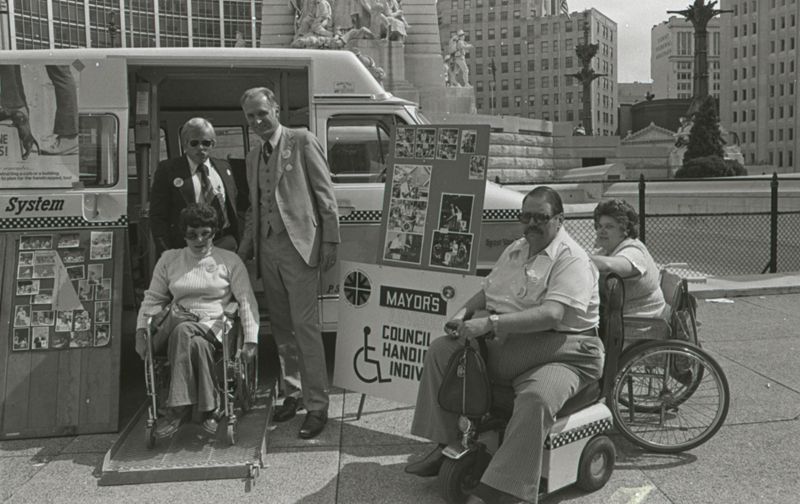
Mayor launches a disability advisory council
Indianapolis mayor William Hudnut establishes the Mayor’s Advisory Council on the Handicapped, later called the Mayor’s Advisory Council on Disability, to incorporate voices of people with disabilities on policy issues affecting them.
Pictured: Mayor Hudnut with group from Mayor’s Council on the Handicapped, ca. 1977
Credit: University of Indianapolis View Source
Indiana Protection and Advocacy Services is established
The commission is created by state law to protect the rights of people with disabilities.
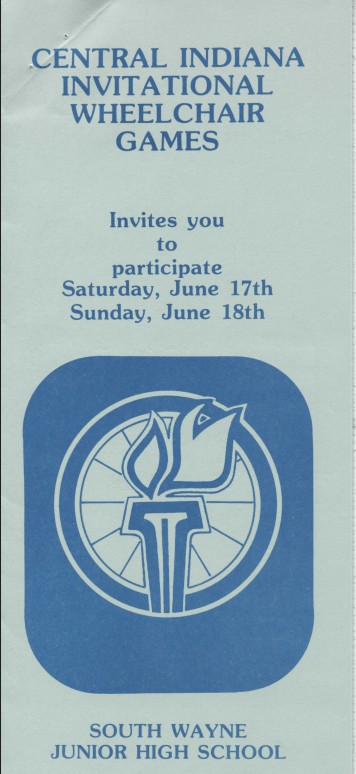
Central Indiana Invitational Wheelchair Games holds its first annual competition
The competition is created to provide “a competitive atmosphere for those who are unable to participate in regular sports.” It is open to any person who has a disability.
Pictured: Central Indiana Invitational Wheelchair Games program, 1978
Credit: University of Indianapolis View Source
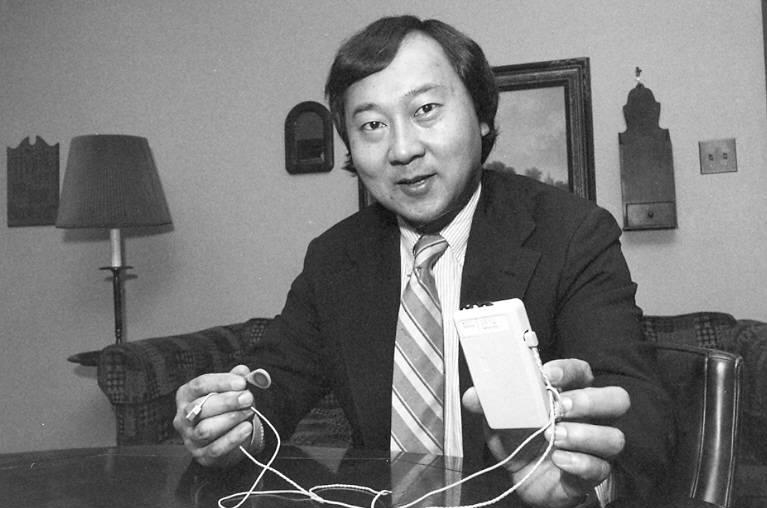
First adult cochlear implant surgery in Indiana
Dr. Richard T. Miyamoto performs Indiana’s first cochlear implant and later launches the program that becomes the IU Cochlear Implant Program.
Pictured: Dr. Richard Takashi Miyamoto, n.d.
Credit: Indiana University Indianapolis View Source
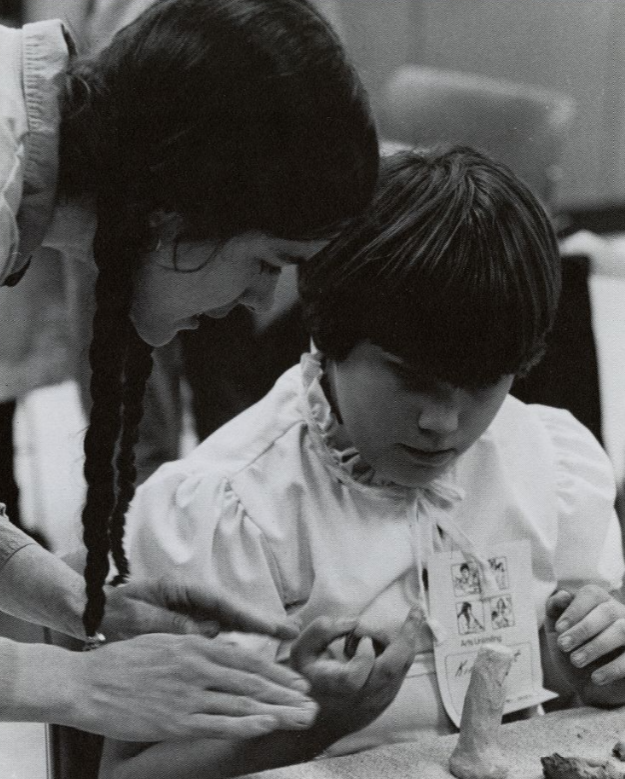
Arts Unlimiting annual arts festival is created
The festival provides three days of adaptive art experience in Indianapolis for people with disabilities. The festival later evolves into ArtMix, an organization that serves the disabled community by providing arts education and vocational arts employment.
Pictured: A teacher helps a student with a craft project during an Arts Unlimiting festival, 1980s
Credit: Indiana University Indianapolis View Source
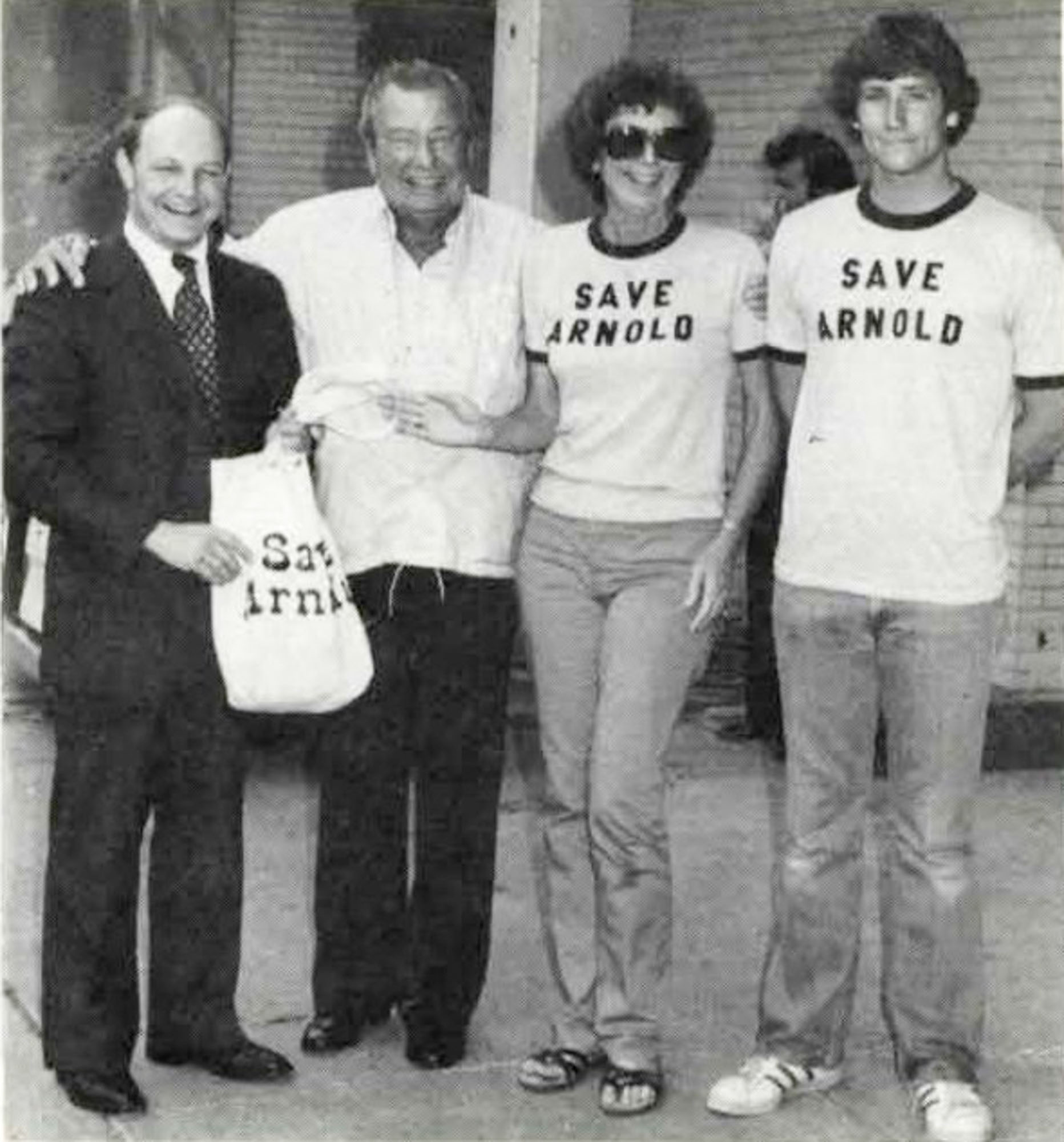
First “Save Arnold” Barbecue fundraiser is held
Mari Hulman George, chairperson for the Indianapolis Motor Speedway, organizes the “Save Arnold” Barbecue to benefit the Indiana Special Olympics. Over its nearly 25 years of existence, the event generates close to $1 million.
Pictured: “Save Arnold” gear displayed by Dennis Schmidt, Phil Harris, Mari Hulman George, and Tony George, 1981
Credit: University of Indianapolis View Source
Brain Injury Association of Indiana is established
Indiana becomes the foundational chapter of the national Brain Injury Association of America. The group supports and advocates for people with brain injury and their families.
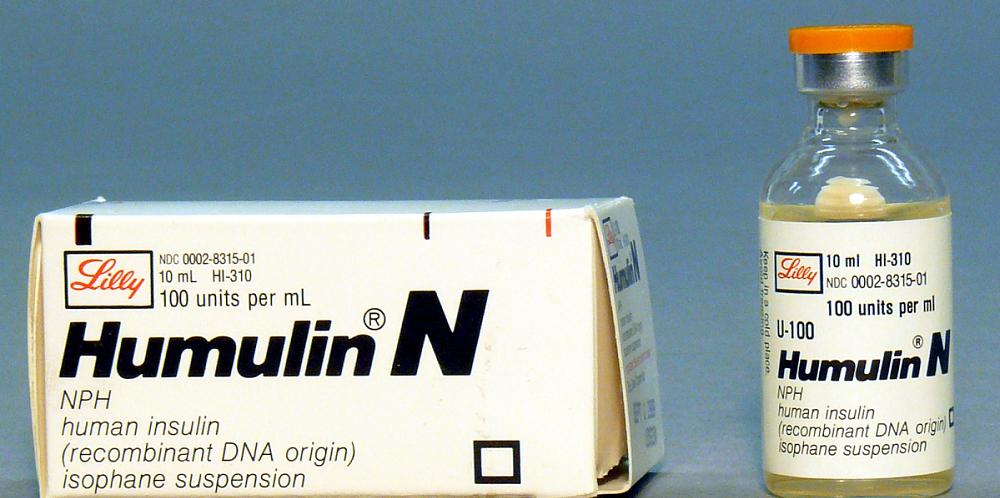
US Food and Drug Administrations approves Eli Lilly and Company’s Humulin, a breakthrough diabetes treatment
The Indianapolis-based company receives US Food and Drug Administration approval for Humulin, the world’s first pharmaceutical product based on recombinant DNA technology.
Pictured: Humulin package and vial, 1992
Credit: Eli Lilly and Company View Source
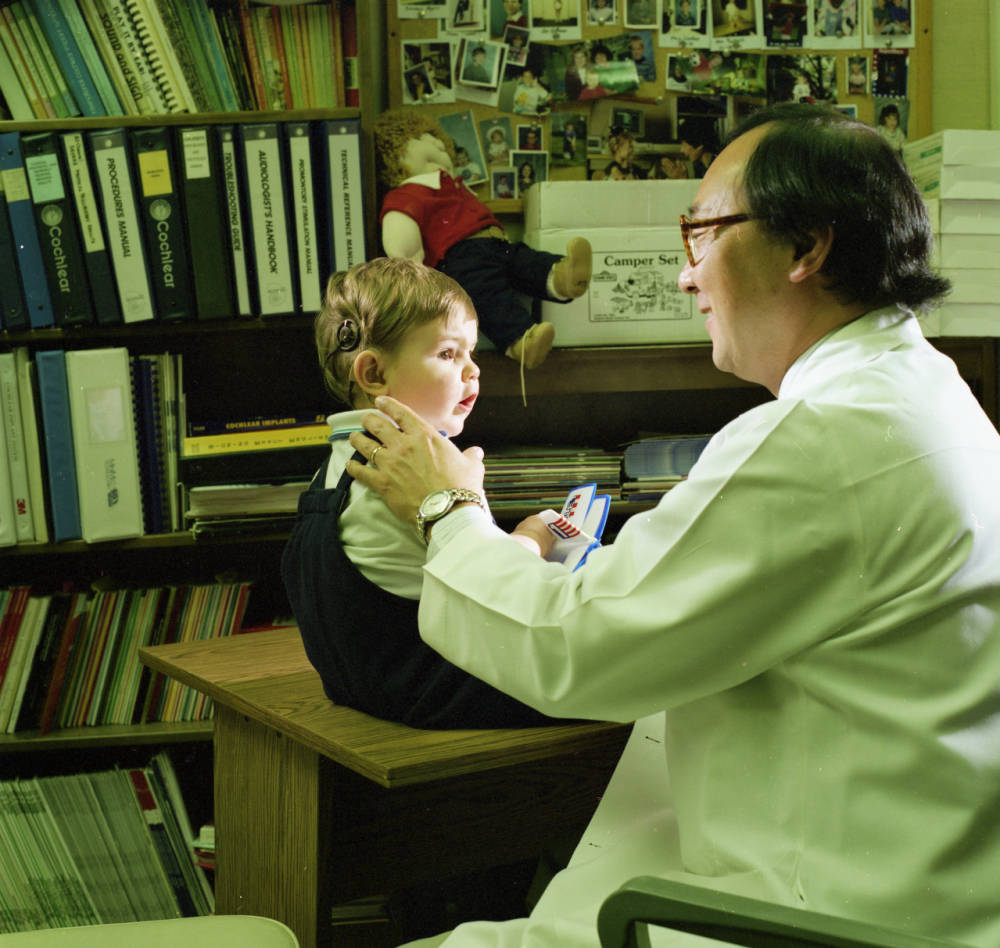
First pediatric cochlear implant surgery in Indiana
Riley Hospital for Children is the first hospital in Indiana to insert a cochlear implant in a deaf child’s ear.
Pictured: Dr. Richard Miyamoto, who led physicians at Riley in the first pediatric cochlear implant procedure in Indiana, with young patient, 1995
Credit: Indiana University Indianapolis View Source
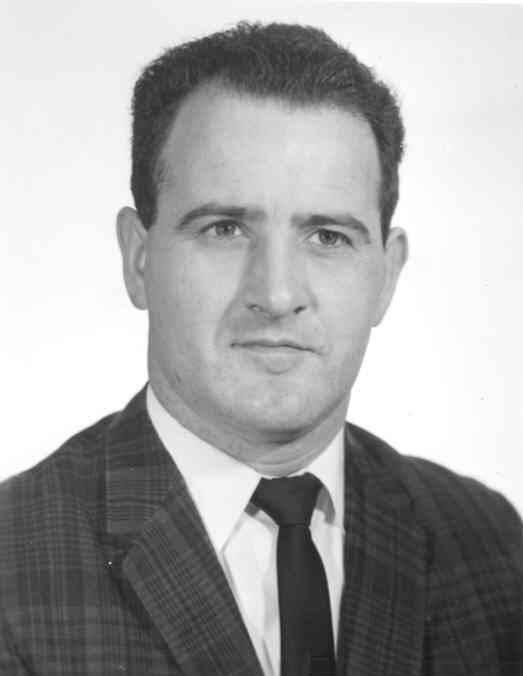
IU School of Medicine geneticist discovers Huntington’s Disease markers
Geneticist, P. Michael Conneally, professor at the IU School of Medicine, discovers the location of the Huntington’s disease gene, marking this the first step toward identifying the genetic cause of this disabling disease.
Pictured: Patrick M. Conneally, n.d.
Credit: Indiana University Indianapolis View Source
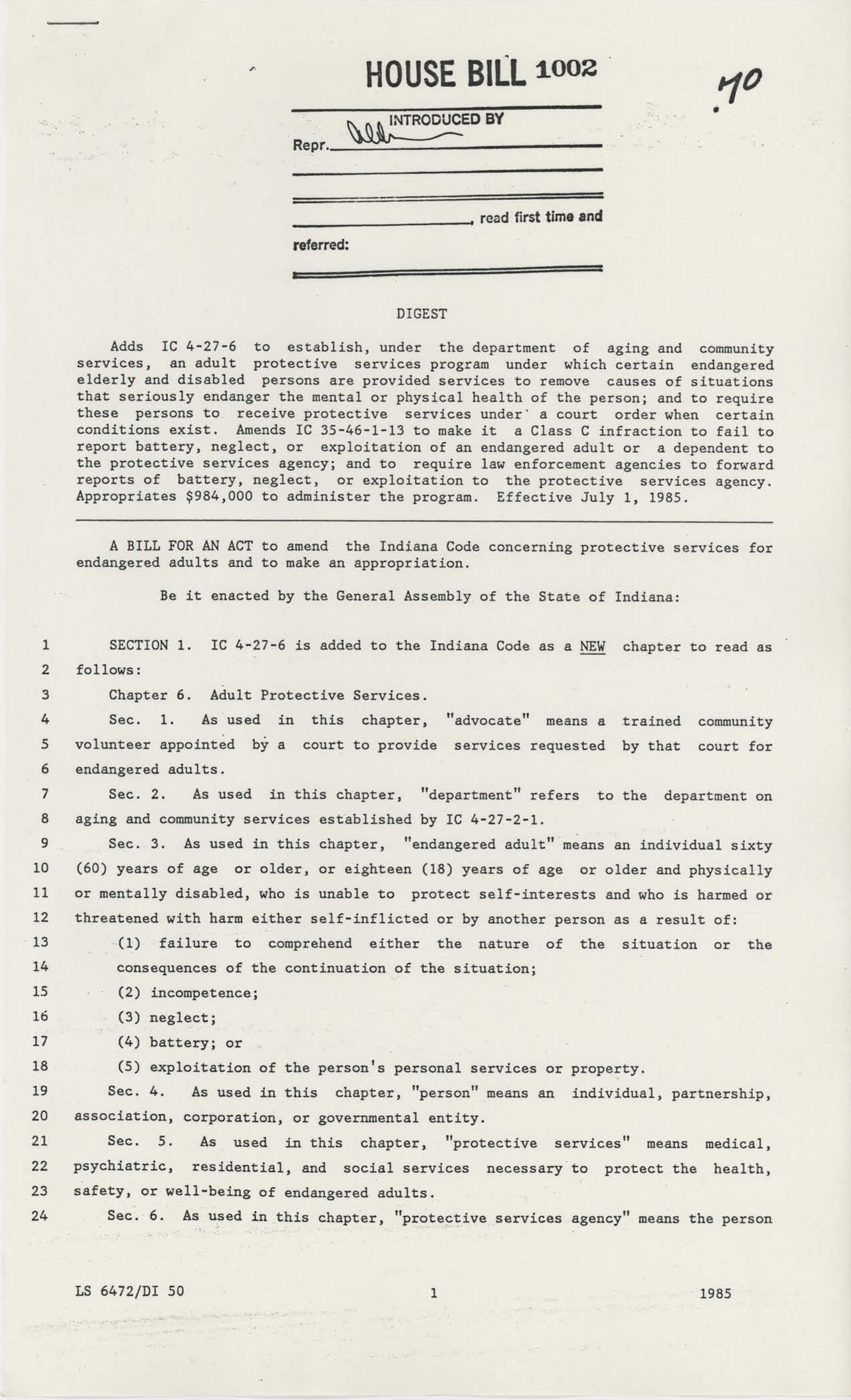
Indiana’s Adult Protective Services law is established
The law requires anyone who suspects neglect, abuse, battery, or exploitation of an endangered adult to report it, helping protect adults who are unable to care for themselves.
Pictured: Passage from House Bill 1002, 1985
Credit: University of Indianapolis View Source
Indiana Parent Information Network is formed
The network provides parent-to-parent support for families of children with disabilities.
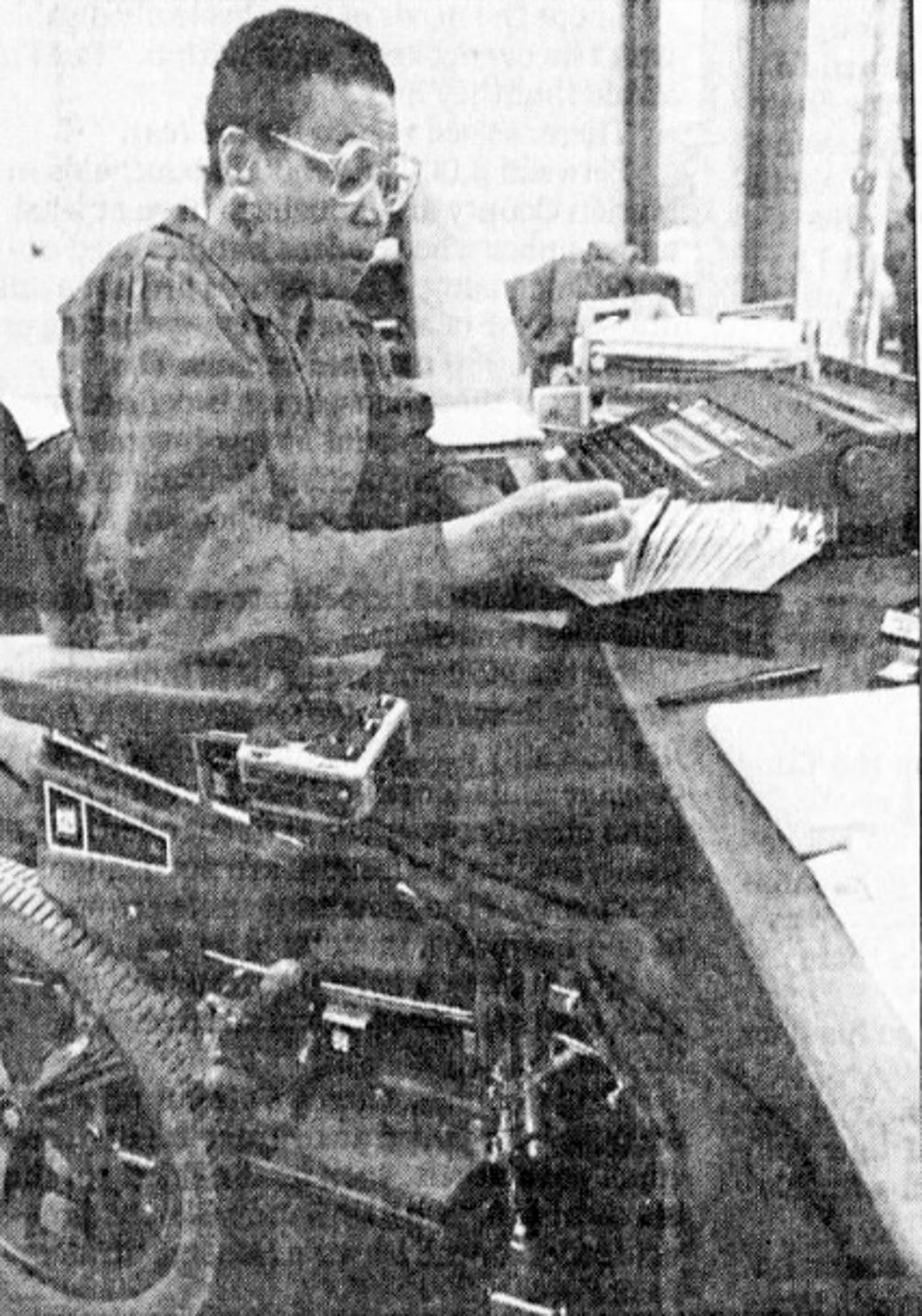
Disability self‑advocates launch Indianapolis Resource Center for Independent Living
A group of disability self-advocates form the Indianapolis Resource Center for Independent Living, later renamed accessABILITY, to support other individuals with disabilities achieve independence and inclusion in community life.
Pictured: Nina McCoy of the Indianapolis Resource Center for Independent Living, 1988
Credit: Jerry Clark, Indianapolis Star, Mar. 13, 1988
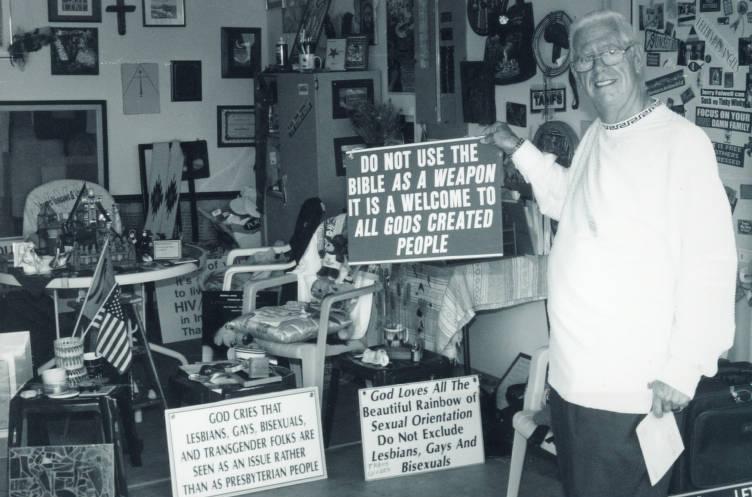
Damien Center opens
Christ Church Cathedral and SS Peter and Paul Cathedral work together to create the Damien Center, which offers support services to those dealing with HIV and AIDS.
Pictured: Reverend Howard Warren, a Presbyterian minister, stands among signs that advocate inclusivity for the LGBT community in the Christian faith. He came out as gay and having AIDS in 1987.
Credit: Mark A. Lee LGBT Photo Collection, Indiana Historical Society View Source
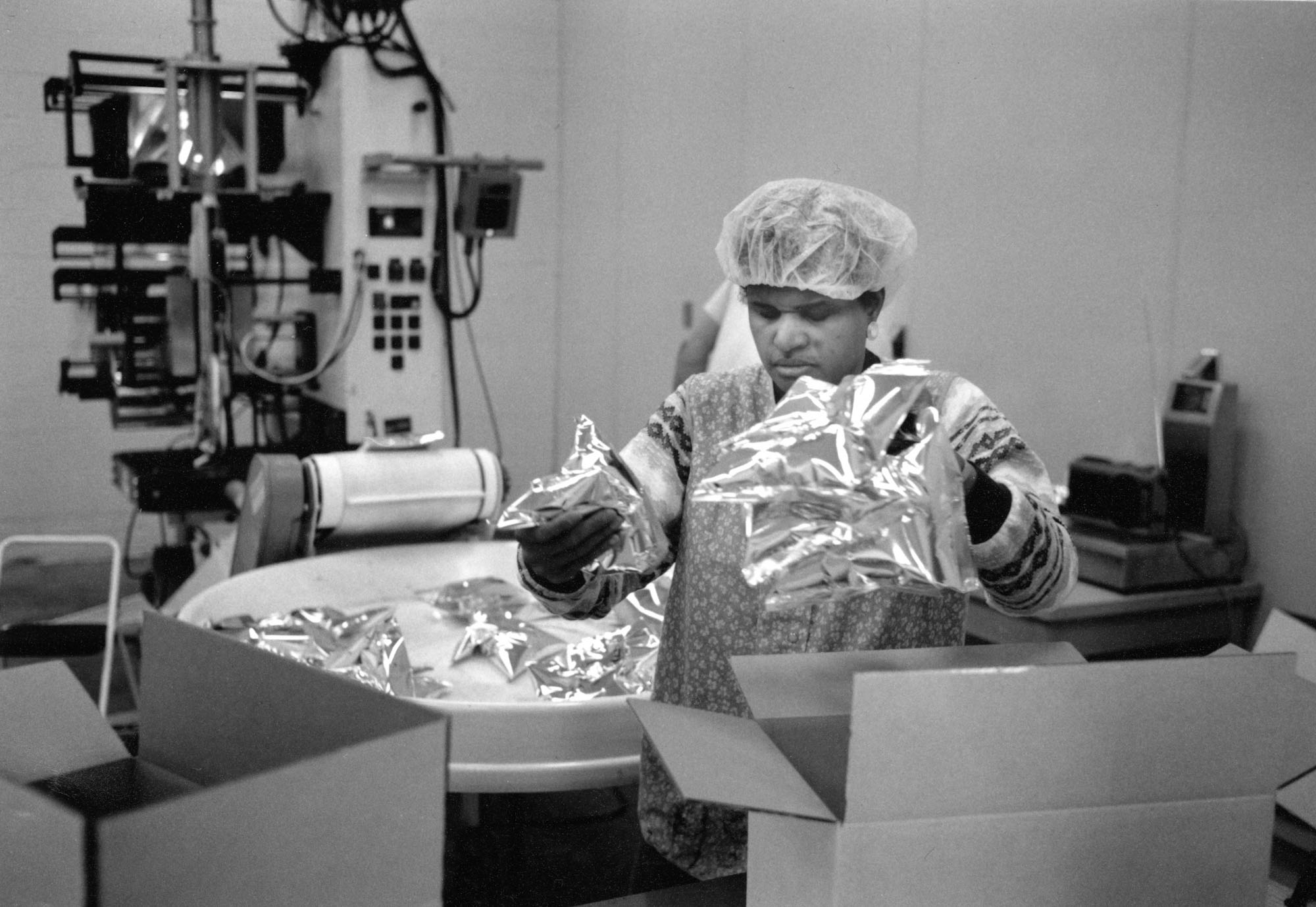
Bosma Industries for the Blind becomes privately run
Bosma Industries for the Blind, previously known as The Board of Industrial Aid for the Blind, loses state funding after being deemed too costly and reorganizes as a private nonprofit to continue serving people who are blind.
Pictured: Bosma Industries for the Blind’s new food packaging machine used for training people who are visually impaired, 1996
Credit: Indiana University Indianapolis View Source
Indiana’s Medicaid Home and Community-Based Services Waiver program begins
Indiana establishes its Medicaid Home and Community-Based Services Waiver program, which removes the necessity of admission into an institution in order for Medicaid to pay for needed home and community-based services.
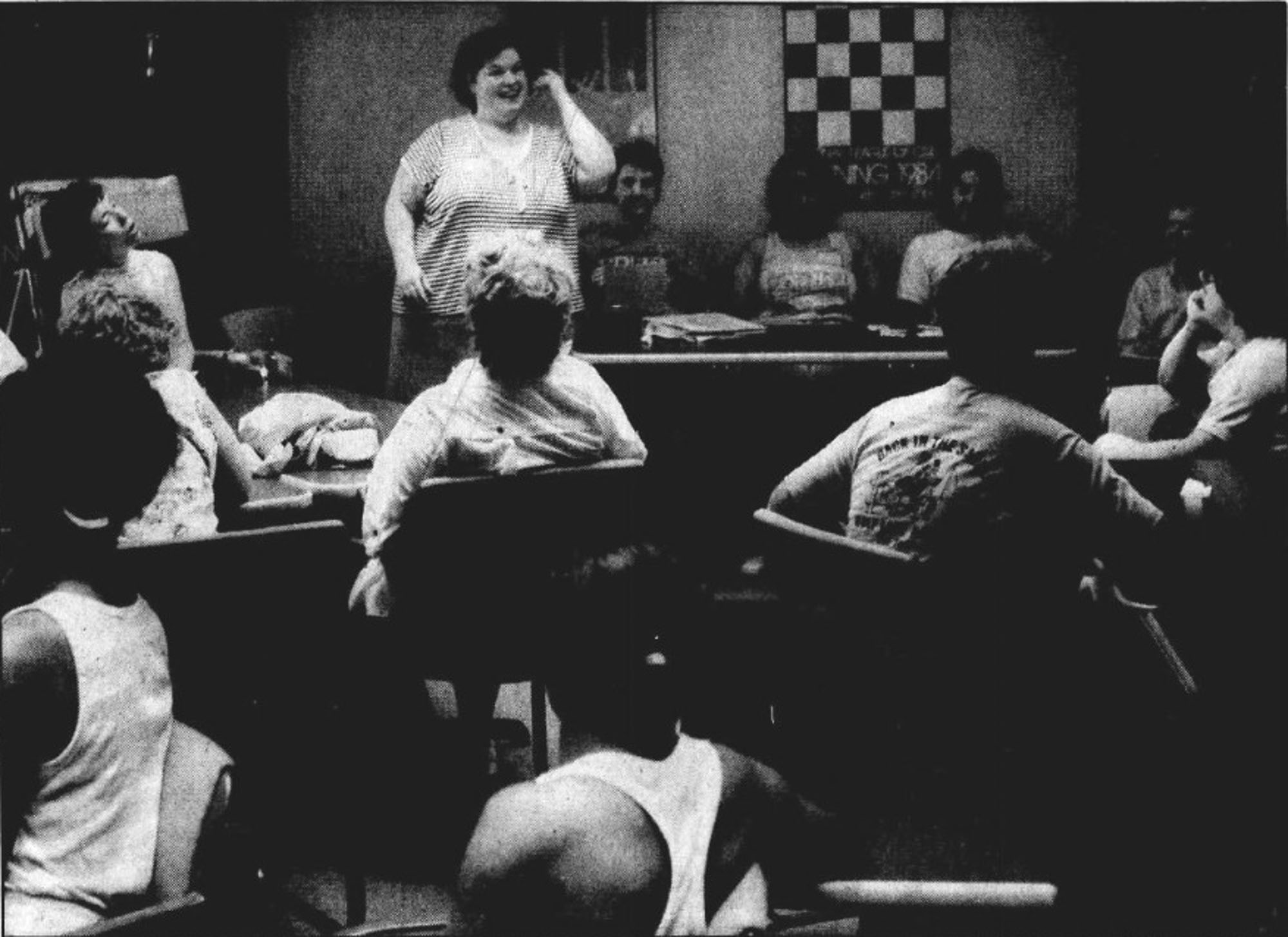
Self-Advocates of Indiana is founded
The organization empowers people with disabilities to advocate for themselves and educates the community about public policy initiatives that affect individuals with disabilities.
Pictured: Darcus Nims, the president of Self Advocates of Indianapolis, conducting a meeting at Noble Centers, 1990
Credit: Jim Young, Indianapolis Star, Jul. 12, 1990
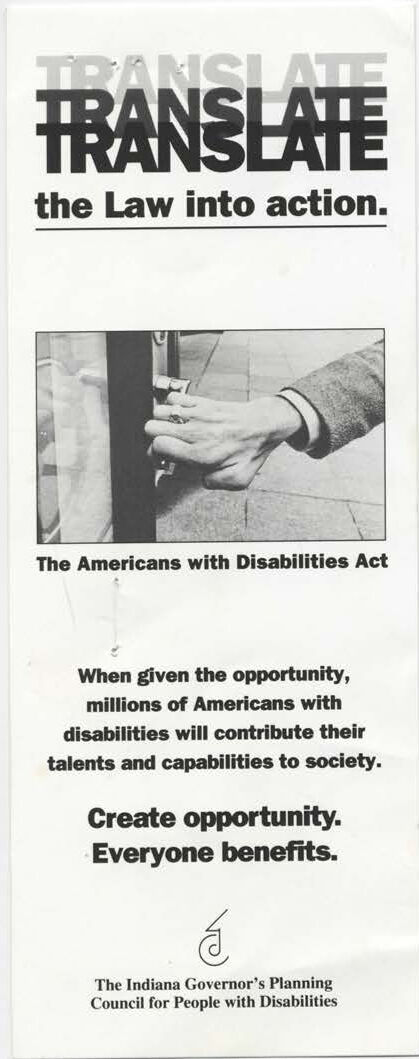
ADA-Indiana is created
The committee is established by a group of advocates in collaboration with government officials to help guide the implementation of the Americans with Disabilities Act in Indiana.
Pictured: ADA Flyer, ca. 1991
Credit: University of Indianapolis View Source
Partners in Policymaking Academy is launched
The Governor’s Council for People with Disabilities launches the Partners in Policymaking Academy, a leadership training program for adults with disabilities and parents of children with disabilities.
Indiana General Assembly establishes the Family and Social Services Administration
The administration serves as a health care and social services funding agency focused on supporting low income families, individuals with mental or physical disabilities, and the elderly.
Central Indiana Council on Aging begins serving the city’s disabled community
Central Indiana Council on Aging (CICOA), which was founded in the 1970s to carry out a service program for older citizens, begins serving individuals with disabilities through funding from CHOICE (Community and Home Options to Institutional Care of the Elderly and Disabled).
Two employment training centers for citizens with disabilities open
Indiana Vocational Rehabilitation Services creates two employment technical assistance centers to provide training, resources, and support to help people with disabilities find employment.
Indiana passes the Hoosiers with Disabilities Act
The new law provides state-level protections equivalent to the federal Americans with Disabilities Act. It prohibits workplace discrimination and requires employers to make reasonable accommodations to employees with disabilities.
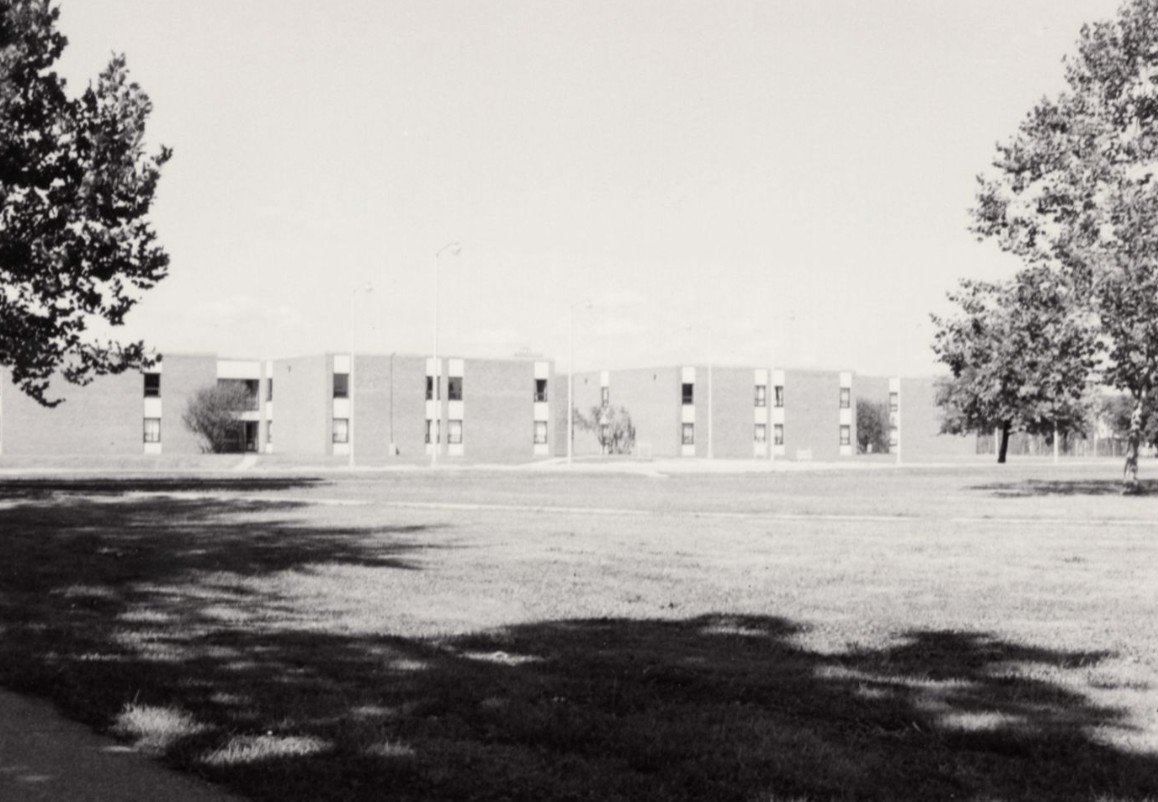
Central State Hospital closes
After years of abuse allegations and patient deaths, Governor Evan Bayh’s administration closes Central State Hospital, shuttering Indiana’s only large urban psychiatric hospital.
Pictured: Central State Hospital women’s dormitories, ca. 1990s
Credit: City of Indianapolis, Department of Metropolitan Development, Indiana Historical Society View Source
General Assembly passes new mental health reform focused on community care
The Indiana General Assembly passes legislation for the Hoosier Assurance Plan to reform the state’s mental health system by focusing on community-based care and the creation of a managed care system.
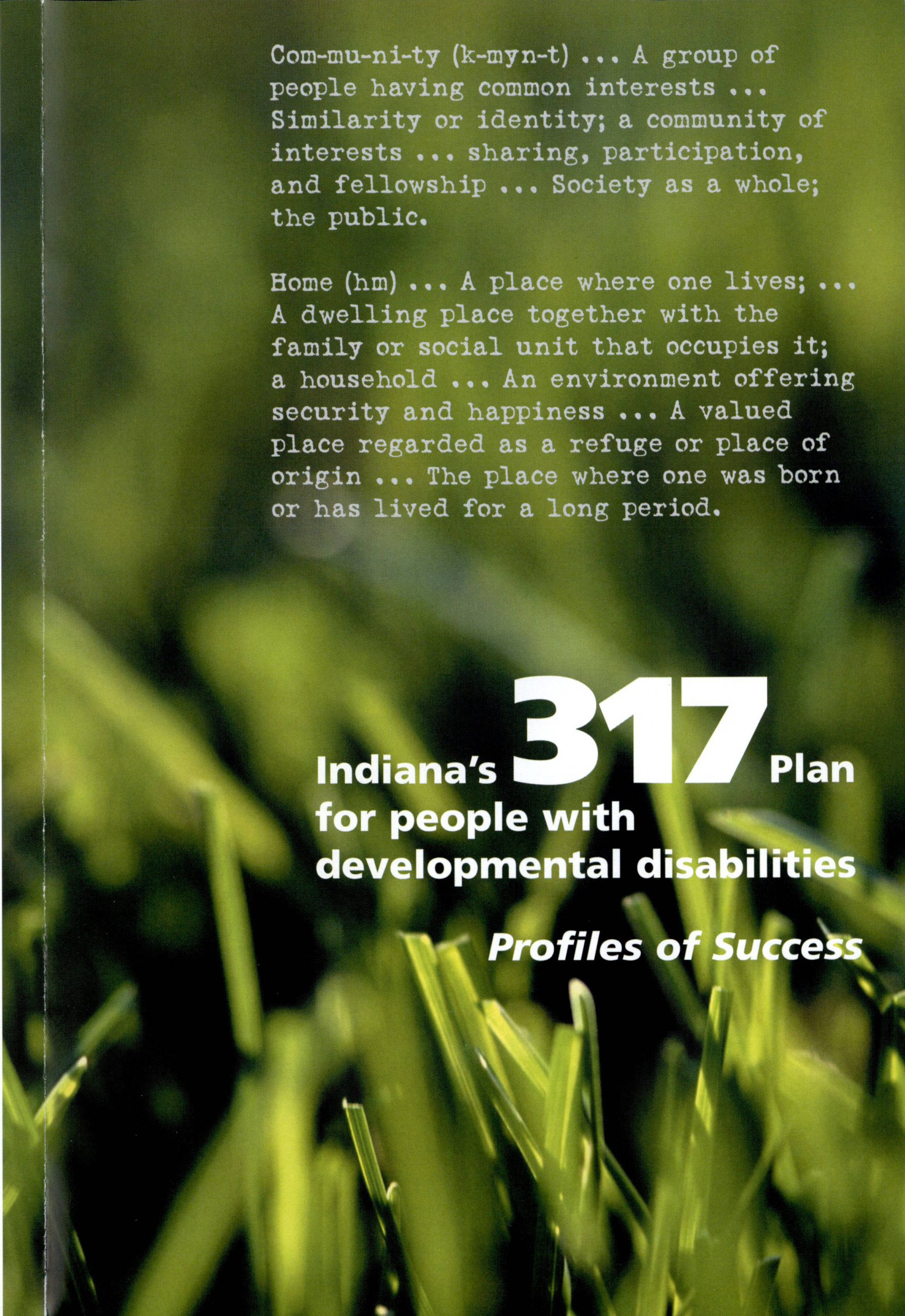
Governor Frank O’Bannon signs the Senate Enrolled Act 317 into law
The law calls for the development of a task force, later known as the 317 Task Force, to study services for people with developmental disabilities.
Pictured: Indiana 317 Plan Booklet, ca. 1990s
Credit: Indianapolis Public Library View Source
Back Home in Indiana Alliance is formed
The alliance works to address housing policy issues related to people with disabilities.
Autism Society of Indiana is founded
The society focuses on raising general awareness of autism and providing support for people with autism in Indiana.
Office of Disability Affairs is established
Indianapolis Mayor Bart Peterson establishes the Office of Disability Affairs to ensure the city’s programs and services are accessible to all.
Insurance required to cover treatments for autism
An Indiana law known as the Autism Insurance Mandate or “Drew’s Law” goes into effect. It requires insurers to provide coverage for treatments of Autism Spectrum Disorders.

Indiana branch of Best Buddies is founded
The program provides social and recreational opportunities for people with intellectual disabilities.
Pictured: Best Buddies program at Perry Meridian High School, 2010
Credit: Indianapolis Public Library View Source
Social Security’s Ticket to Work Program becomes available in Indiana
The program supports career development for adults who receive Social Security disability benefits and want to work by connecting them with services and support.
Count Us IN launches
The project is a nonpartisan initiative of the Indiana Governor’s Council for People with Disabilities. Its goal is to increase the political influence of people with disabilities.
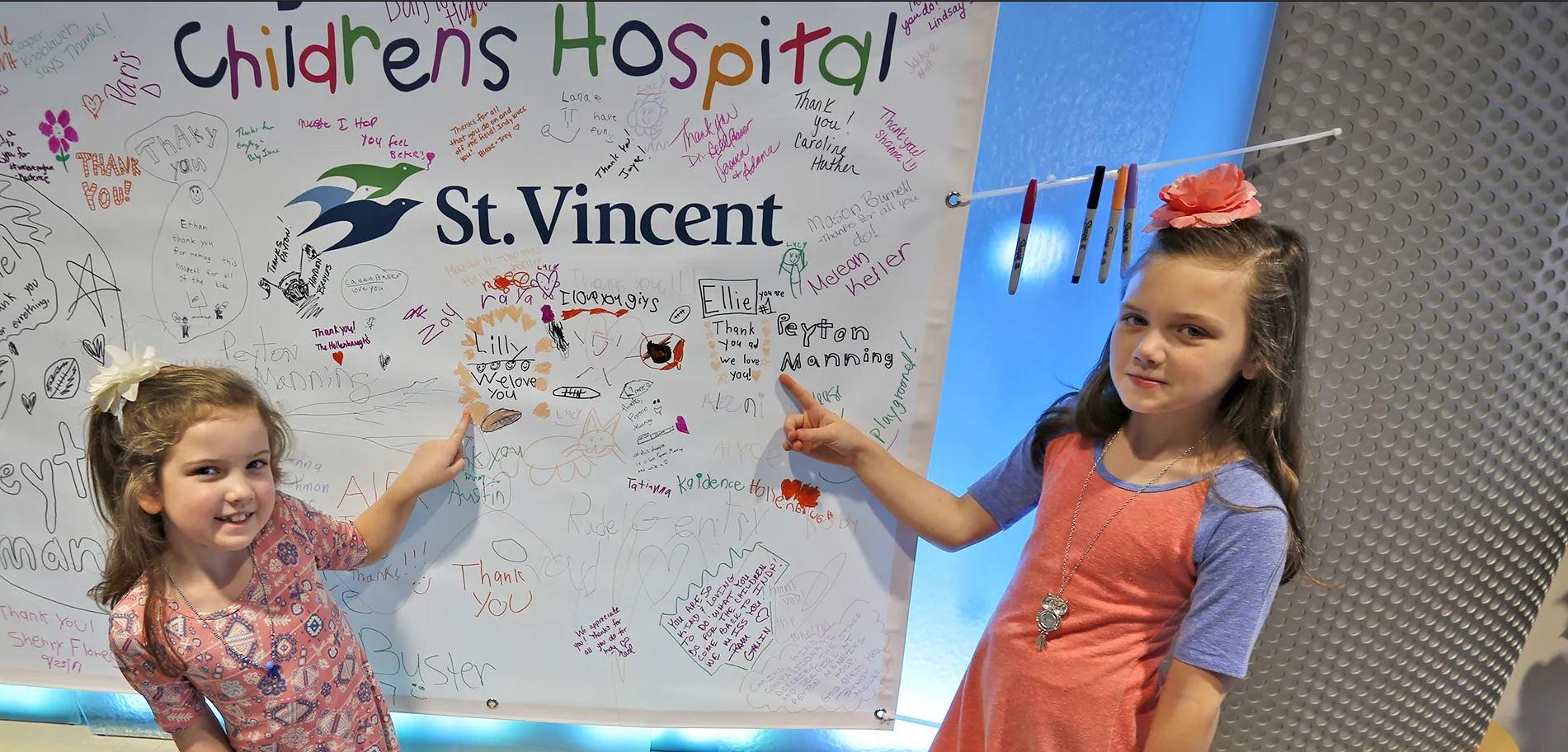
St. Vincent’s Children’s Hospital opens
St. Vincent Children’s Hospital opens in Indianapolis as part of the St. Vincent Hospital network, now Ascension. Later known as Peyton Manning Children’s Hospital, it collaborates with pediatric specialists to provide tertiary-level pediatric care at the facility.
Pictured: Peyton Manning Children’s Hospital patients, 2017
Credit: Kelly Wilkinson, IndyStar View Source
Indiana Family to Family is founded
The organization is created to provide information, training, and support to Indiana families of children with diverse health and mental health needs.
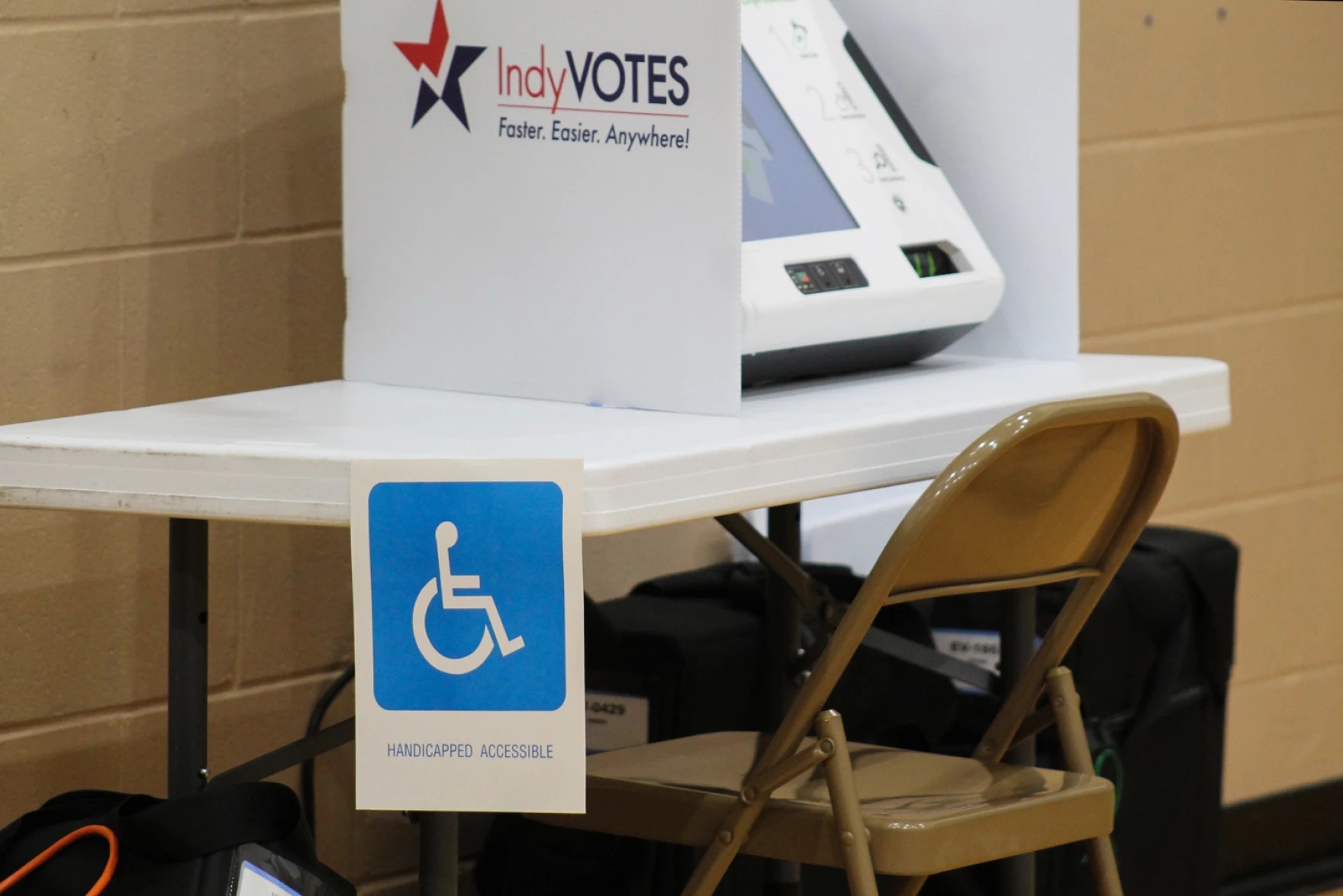
Indiana polling locations provide accessible voting machines
The Secretary of State and Indiana Election Division upgrade polling places to include at least one accessible voting machine per the Help America Vote Act of 2002.
Pictured: Accessible voting booth, n.d.
Credit: Lauren Chapman / IPB News View Source

First Rock Steady Boxing gym opens
The boxing method taught at the gym is designed specifically to help ease some symptoms experienced by individuals living with Parkinson’s.
Pictured: Boxing activities at RSB Headquarters gym, n.d.
Credit: Rock Steady Boxing Headquarters
Law enacted requiring use of people first language
Governor Mitch Daniels signs legislation requiring the use of “People First Language,” which focuses on changing terms used to describe individuals with disabilities, across official state documents and programs.
Indiana Assistive Technology Act Project begins
Easterseals Crossroads partners with the Indiana Bureau of Rehabilitative Services to establish the Indiana Assistive Technology Act Project to increase access and awareness of assistive technology.
Disability Legal Services of Indiana, now Ability Allies, is founded
The organization seeks to provide affordable educational advocacy and legal services for children with disabilities and their caregivers.
Service Animals legally allowed in public places
Indiana House Bill 1603 goes into effect, allowing individuals to bring their service animals with them in certain public places, schools, and places of employment.
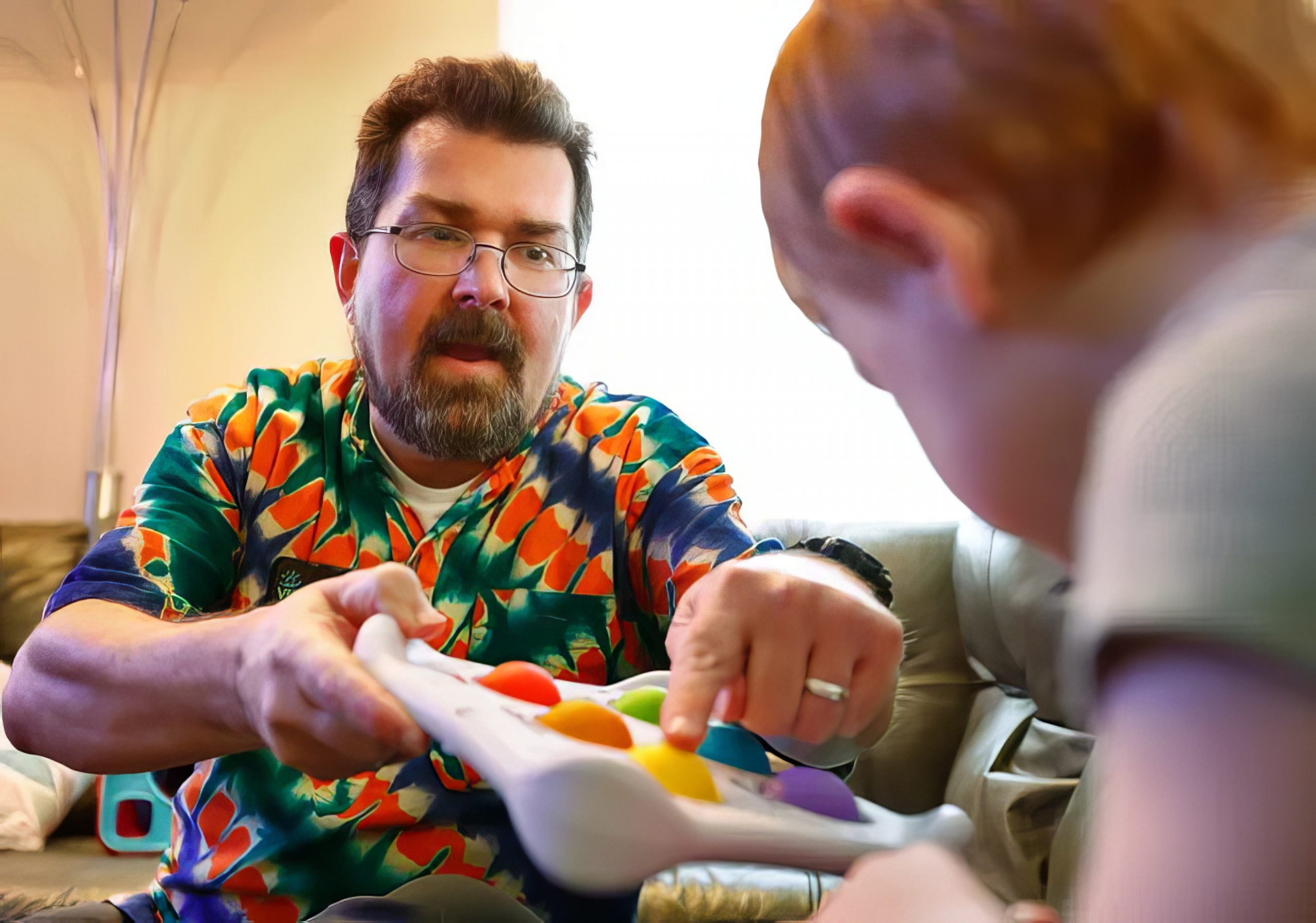
VIPS (Vision Intervention & Parental Support) Indiana launches
VIPS Indiana, the Hoosier state affiliate of VIPS, opens to provide early intervention and education services to infants and toddlers who are blind or have low vision. An Indianapolis office opens in 2014.
Pictured: VIPS, Indiana, Lead Blind Low Vision Specialist David Sterne, left, works with Merrick Bravard-Decker, 2019
Credit: Kelly Wilkinson/IndyStar, Indianapolis Star via Imagn Content Services, LLC View Source
Jubilate Choir is formed
The Jubilate Choir, one of many choirs that make up the Indianapolis Children’s Choir (ICC), is created to fill a gap in performing arts opportunities for Indianapolis-area children with disabilities.
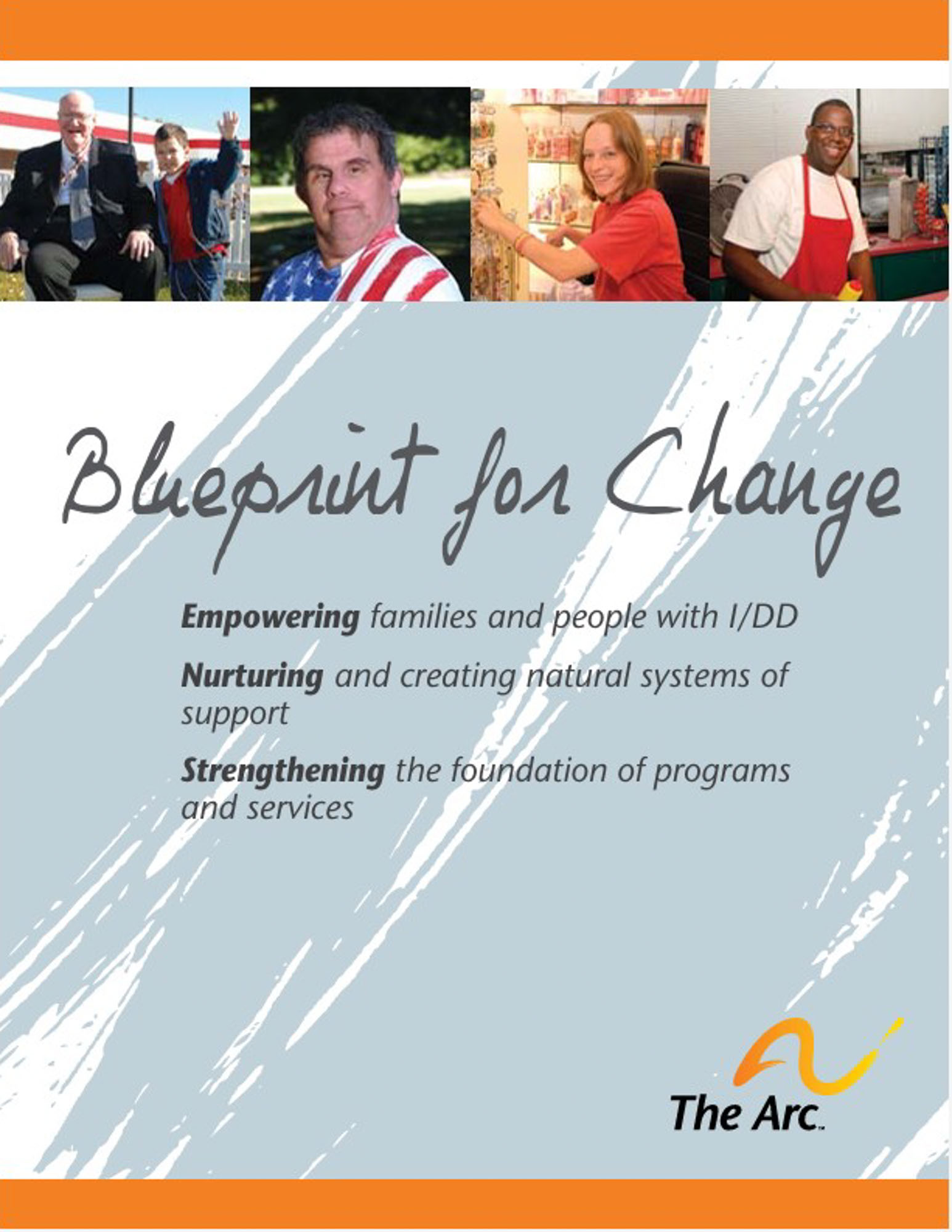
Blueprint for Change is published
The Arc of Indiana publishes Blueprint for Change, which includes recommendations for reforming systems that support people with intellectual/developmental disabilities or special healthcare needs.
Pictured: Blueprint for Change, 2013
Credit: The Arc of Indiana View Source
INvestABLE Indiana is implemented
Indiana authorizes its ABLE savings program, INvestABLE Indiana. The program allows for individuals with disabilities to open savings accounts without jeopardizing access to public benefits.
Indiana begins ID Program for people with developmental disabilities
Indiana passes a law authorizing the Indiana State Department of Health to issue ID bracelets and cards for individuals with developmental disabilities.
Indiana bans abortions for fetal disability diagnoses
Indiana passes a law prohibiting abortions sought solely because of a fetal diagnosis of Down syndrome or other disabilities, prompting intense debate about reproductive rights and disability equity in Indiana.
Indiana passes “Employment First” legislation
The legislation mandates that state agencies prioritize employment for working‑age individuals with disabilities. The law is widely celebrated for championing independence and inclusivity within the workforce.
Continue Exploring
Discover related stories and resources in the Encyclopedia of Indianapolis.

Help improve this entry
Contribute information, offer corrections, suggest images.
You can also recommend new entries related to this topic.