Peace Learning Center (PLC) is a nonprofit education and community organization that serves Indianapolis youth and adults by teaching conflict resolution techniques, restorative justice practices, and leadership skills. The success of the organization’s programming has spurred other local organizations to partner with PLC or design programs using PLC’s framework. PLC’s model has been replicated in 8 U.S. cities and 5 other countries.
The PLC was founded by Tim Nation and Charlie Wiles, who had worked together in 1995 at IndyCorps, a local chapter of the Marion County Advocacy Center’s AmeriCorps program. Wiles’s experience as a combat medic during the gave him firsthand knowledge of how conflicts escalate into violence and environmental degradation. He worked with Nation to develop a program where Indianapolis youth could learn how to work through disagreements in natural settings such as woodlands and wetlands without resorting to violence.
Programming that focused on conflict resolution skills was not an entirely new concept in Indianapolis. For example, in 1994 the Indiana State Bar and former Indiana attorney general Pam Carter had started Project Peace, which taught conflict avoidance strategies at several Indianapolis schools. Even earlier, in 1977, a coalition of southside Indianapolis community members founded Reach for Youth, which offered conflict resolution, restorative justice, and Teen Court programs for youth and families.
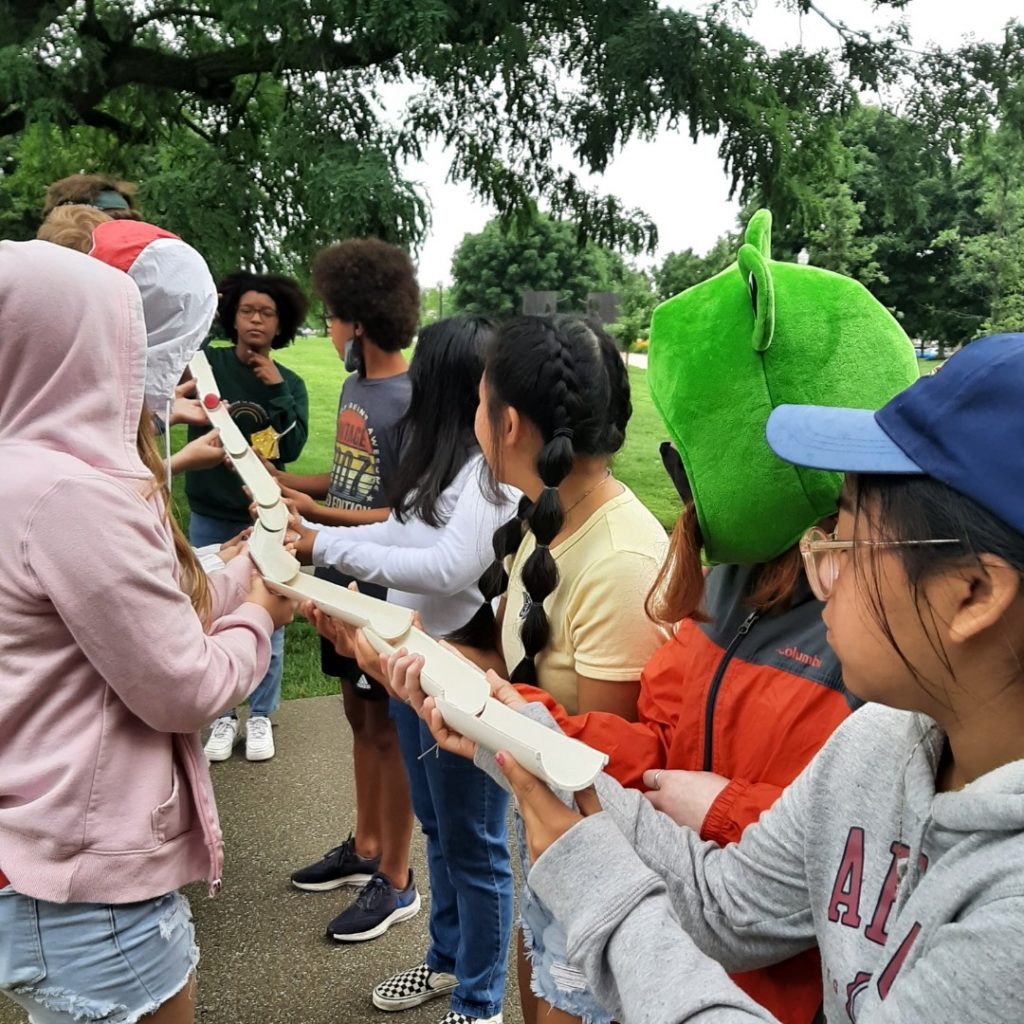
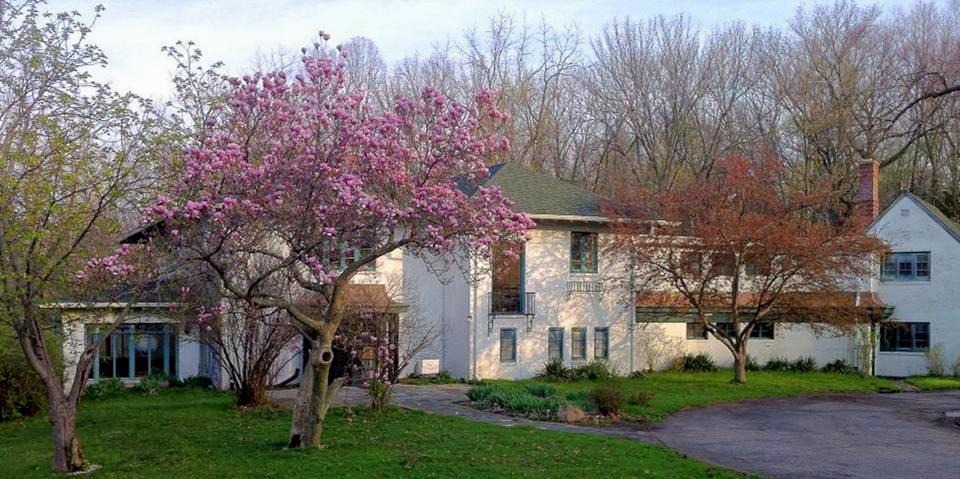
Nation and Wiles, however, envisioned something different than what these predecessor organizations had developed. They aimed to combine diplomacy tactics with environmental appreciation. To do this, Wiles lobbied for a 2-year lease of the 100-year-old former estate of , which sat unused inside . With IndyCorps, Wiles had already been conducting smaller-scale conflict resolution training in the , inspired by Dr. Martin Luther King Jr.’s vision of nonviolent social change, and he now aimed to renovate the Lilly mansion as the site for full-day workshops. PLC’s programming started in October 1997 as a mandatory part of the curriculum for IPS’s fourth-grade students and teachers. The Eagle Creek Park location offered access to nature-based experiential learning and reflected PLC’s emphasis on connecting personal development with environmental responsibility.
In 1999, PLC became an independent nonprofit organization. The program expanded to include all IPS in grades 6 through 8. Activities that year included a Peace Camp pilot project, and a 3-day camp in Trafalgar, Indiana, for all 2,400 IPS sixth graders, focused on appreciation of the environment and the reduction of interpersonal violence.
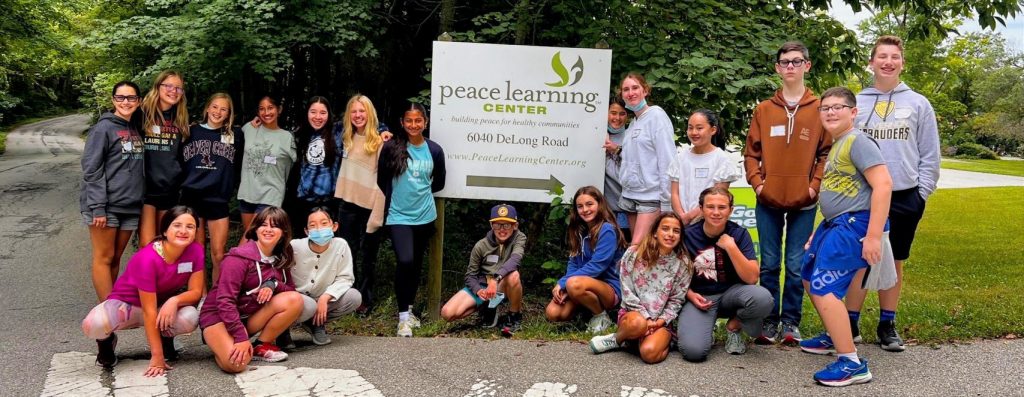
Throughout the 2000s, PLC expanded its services to include structured curricula for adult professional development and for teaching violence de-escalation tactics to youth. Collaborations with Reach for Youth and the expanded PLC’s reach among area young people. In the 2010s, the organization broadened its mission to include violence-prevention education designed for adults in community and workplace settings.
As of 2026, PLC continues to serve the Indianapolis region through programs linking peace education with environmental awareness, youth development, and neighborhood wellbeing.
FURTHER READING
- Peace Learning Center. “History.” https://peacelearningcenter.org/history.
CITE THIS ENTRY
APA:
Nation, T. (2026). Peace Learning Center. Encyclopedia of Indianapolis. Retrieved Apr 12, 2026, from https://indyencyclopedia.org/peace-learning-center/.
MLA:
Nation, Tim. “Peace Learning Center.” Encyclopedia of Indianapolis, 2026, https://indyencyclopedia.org/peace-learning-center/. Accessed 12 Apr 2026.
Chicago:
Nation, Tim. “Peace Learning Center.” Encyclopedia of Indianapolis, 2026. Accessed Apr 12, 2026. https://indyencyclopedia.org/peace-learning-center/.

Help improve this entry
Contribute information, offer corrections, suggest images.
You can also recommend new entries related to this topic.