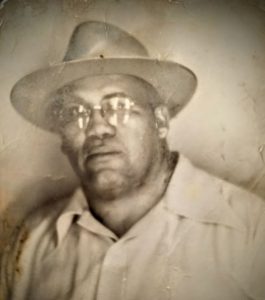
Photo info ...
Herbert Grigsby Hawkins was an entrepreneur who, after working as an authorized taxicab operator, became widely known for his operation of a bootleg (or unlicensed) taxicab business headquartered on . At the time when African Americans faced barriers in access to and many could not afford personal vehicles, Hawkins’s bootleg cab service provided transportation to African American Indianapolis residents with few other options. Hawkins also advocated for an expansion of municipal taxicab licenses in order to legitimize and professionalize the African American taxicab business, much of which operated without official city sanction.
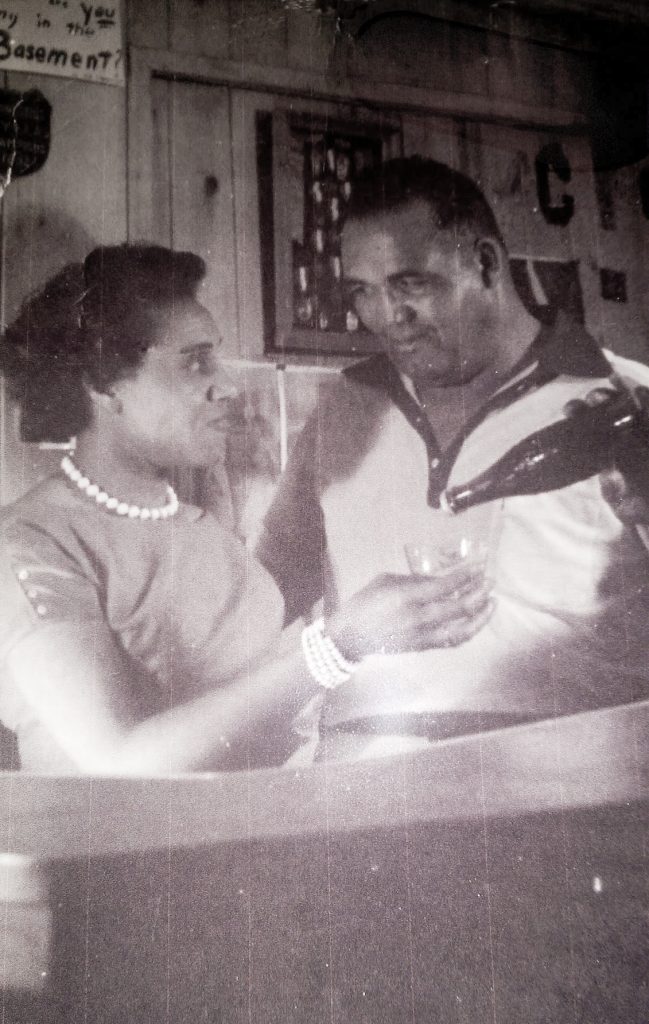
Hawkins was born in Columbus, Ohio, on March 4, 1910, to Charles Nelson Hawkins and Margarette Sutton Hawkins. He moved to Indianapolis in 1937, met Adeline Hardy, and married her on April 13, 1938. The couple had three daughters: Velma, Evelyn, and Audrey. In 1945, Hawkins became a Master Mason in the Trinity Lodge No. 18.
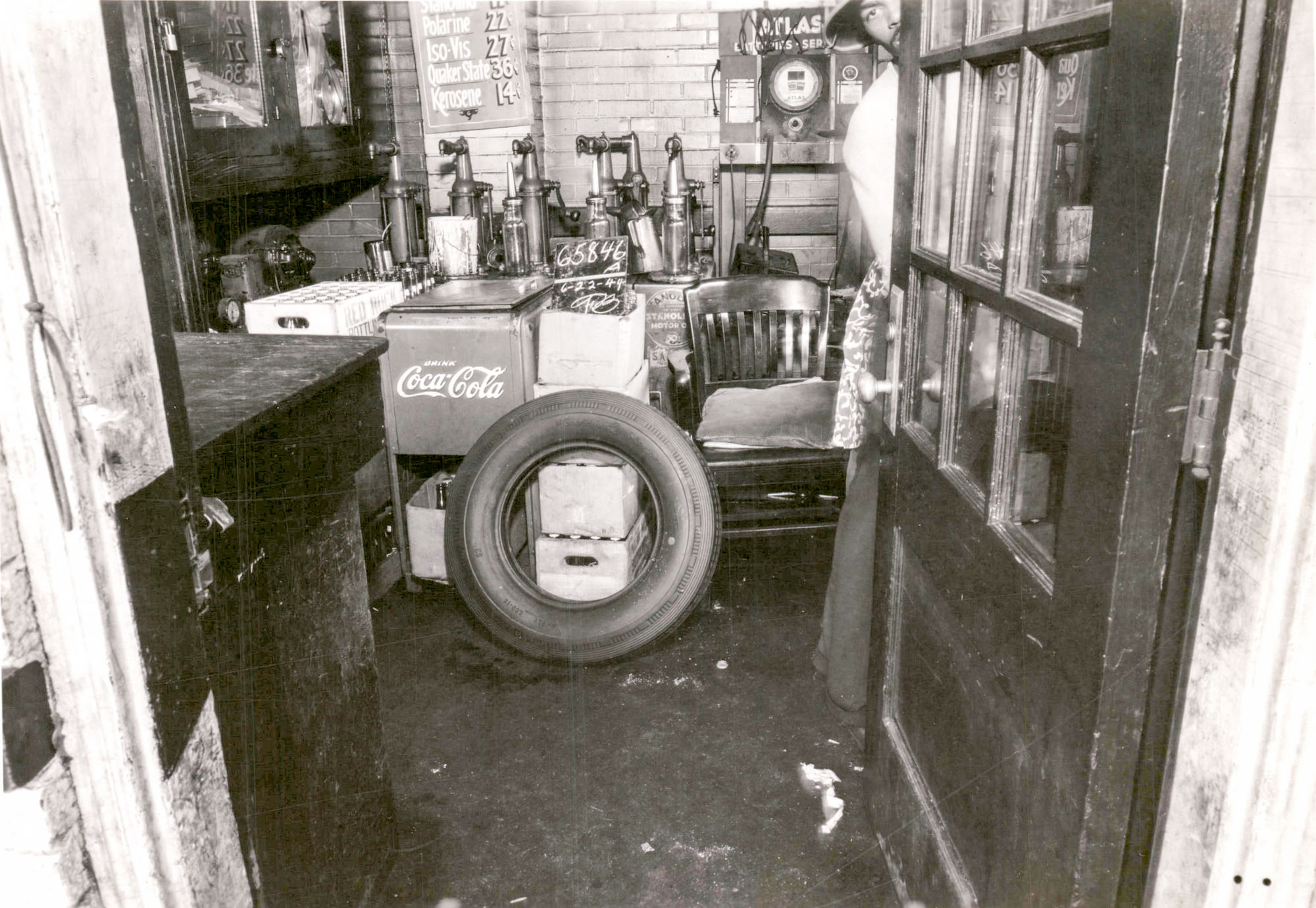
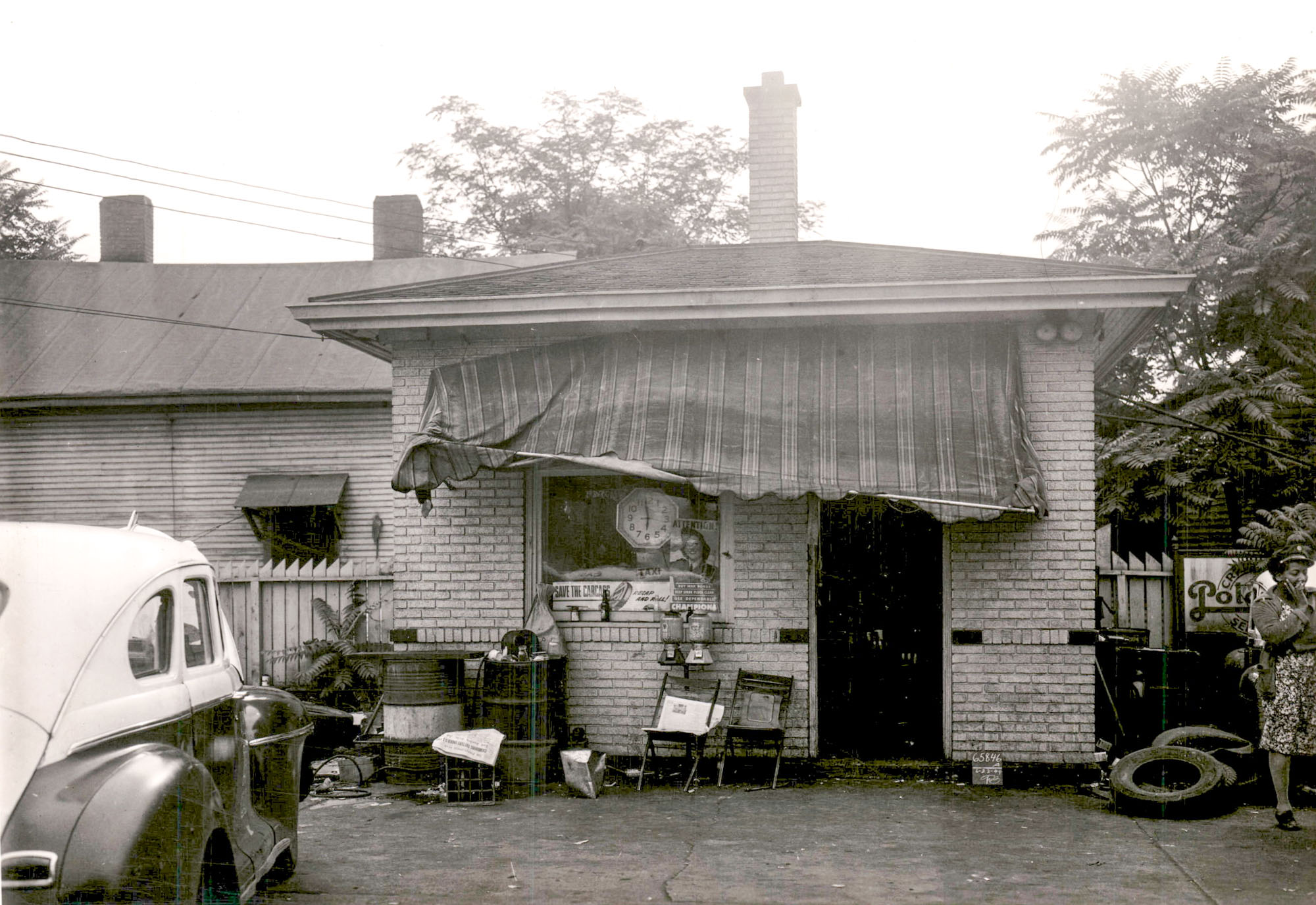
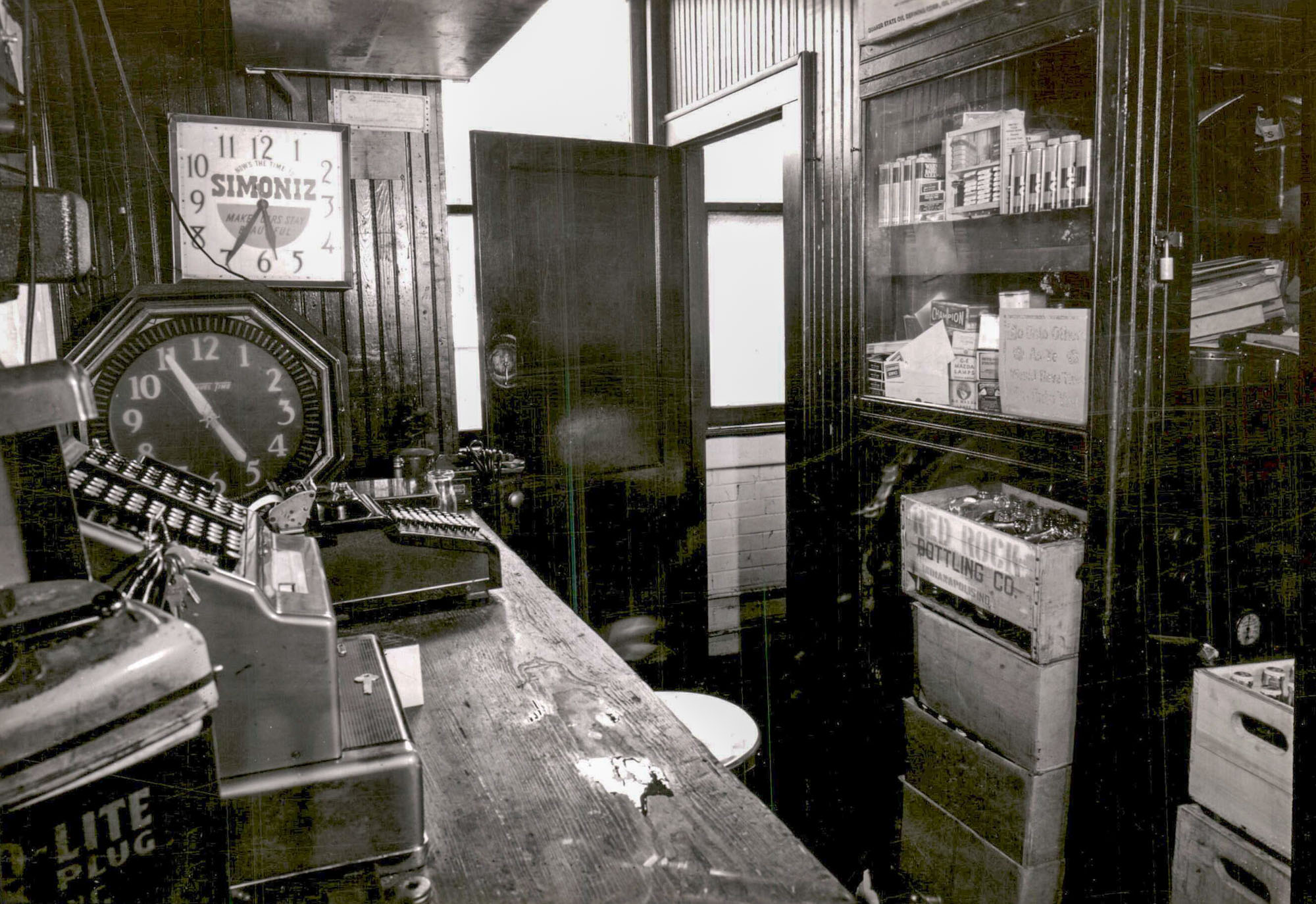
As an entrepreneur and businessman, Hawkins during the 1940s owned and operated several licensed taxicab services that primarily served the African American community. Additionally, he was the sole proprietor of a Standard Service Station (also known as Hawkins’s Filling Station), located at 614 Indiana Avenue, in the 1950s. Sometime in the early 1950s, Hawkins shuttered his legitimate taxi service. By 1955, he had opened a new unlicensed cab service, which became a front runner in the city’s growing informal transportation sector.
Bootleg cab services were vital modes of transportation and entrepreneurship for African Americans in Indianapolis and other cities. In 1909, the first taxicab operators in Indianapolis worked for white-owned companies that rarely served African American neighborhoods, leaving many residents without transportation options. Additionally, while white taxicab operators waiting for fares stationed themselves in front of prominent civic venues, many of those institutions banned or discouraged the presence of the city’s limited number of licensed African American taxi drivers. Lastly, in 1920 the Indianapolis Board of Public Safety (see ) began limiting the number of taxicab licenses granted to both white and African American drivers in an effort to regulate and professionalize the business. The dearth of licensed cab companies gave rise to a growing number of unlicensed operators. Bootleg cab services were an entrepreneurial response to the existing transportation market that excluded African Americans from establishing wealth, limited their geographic mobility, and placed taxi-industry jobs out of reach for many workers.
In 1937, Indianapolis authorities began to crack down on bootleg operators. In response, African American underground taxicab operators, as well as legitimate taxicab drivers such as Herbert Hawkins, lobbied for more licenses to legalize unlicensed operators. They also pressed for the right to station themselves at to pick up African American rail travelers, a practice restricted by Jim Crow rules.
In early 1946, Indianapolis’s city prosecutor, Henry Coombs, launched an intensive effort to stop bootleg taxicab services. Herbert Hawkins took a leading role against that campaign. Speaking at a meeting of the Veterans and Citizens Committee for Better Transportation at the , Hawkins explained the necessity of these taxicabs, pointing out the refusal of white cab drivers to serve African American communities surrounding Indiana Avenue as well as the insufficient number of licenses issued to African American cab drivers. Over the decade, Hawkins continued publicly to defend bootleg drivers due to a lack of licenses. In December 1947, Mayor outgoing administration attempted to address the issue by authorizing 11 taxicab licenses to operators along Indiana Avenue with the hope of stamping out bootleg operations.
Yet in August 1948, new mayoral administration took a different stance on the issue. The city council (see ), as the reported, shelved an ordinance to raise the number of taxicab licenses from 475 to 500. Moreover, the Indianapolis Board of Public Safety deemed the 11 new taxicab licenses issued to operators along Indiana Avenue to be illegal. From 1948 to 1952, of the 475 existing taxicab licenses, only 45 were held by African American operators
In 1952, the Indianapolis city council agreed to take over taxicab regulation from the Indianapolis Board of Public Safety, creating a position of commissioner of taxicabs whose role, in part, was to crack down on bootleg taxicabs. Two years later, the city council issued 25 more taxicab licenses, but only 12 went to African Americans.
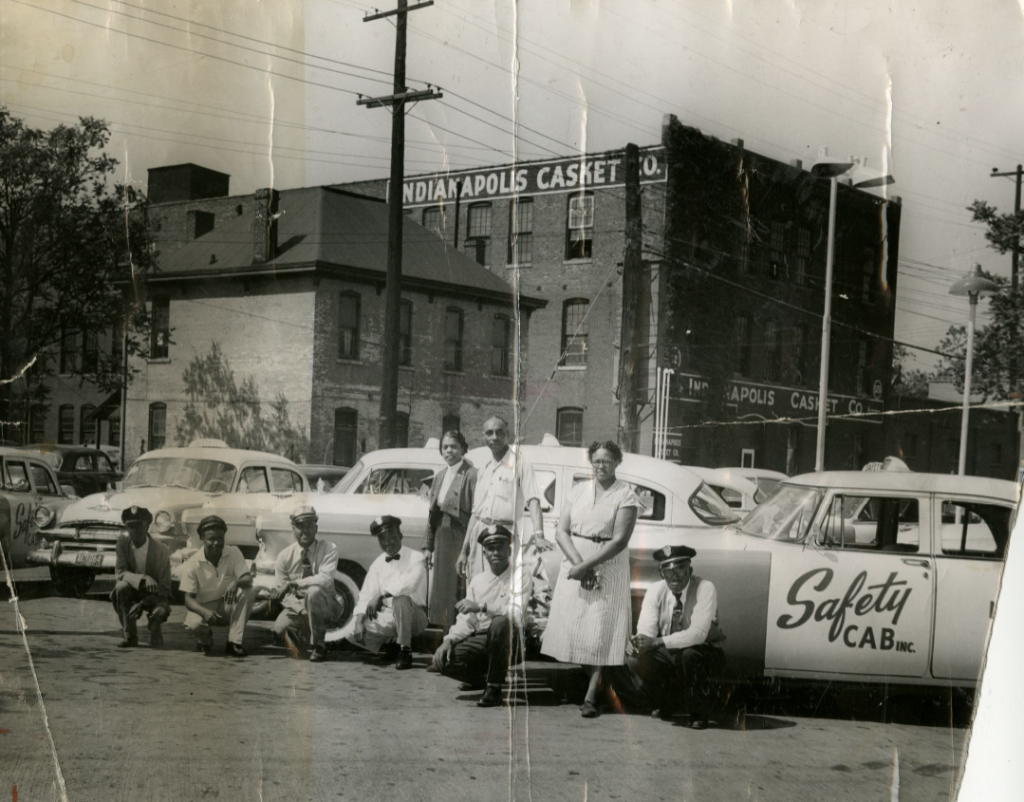
By the early 1950s, Hawkins had shuttered his legitimate taxicab business and established a flourishing bootleg taxicab business. He and other bootleg operators owned 300 taxicabs in a business that, in the accusations of the , generated $1 million per year. The city made many attempts to curtail Hawkins’s business. In October 1954, the taxicabs at his filling station, which served as his taxicab stand, were padlocked with boots to the wheel to prevent use. In November 1954, the operators of three licensed taxicab companies successfully ordered Telephone Company to halt telephone service to 19 unlicensed taxicab operators, with Hawkins among them.
A year later, a group of 10 licensed taxicab operators filed a successful court motion for an injunction to shut down Hawkins’s business, though Hawkins defied the order. In December 1955, Hawkins and more than 100 bootleg taxicab operators and drivers were brought to court, with Hawkins facing contempt of court charges. Thirty bootleg cab drivers and operators of bootleg stands received convictions for operating illegally. However, because the 10 licensed taxicab operators who filed the motion for the injunction failed to post a bond on it, the court had no choice but to drop the charges against Hawkins.
It is unclear what happened to Hawkins’s taxicab business after the December 1955 court date. Sometime during the next 18 months, he began driving a truck for Standard Materials Corporation and died in a car accident while delivering construction material to a site on August 21, 1957. Hawkins is buried in .
FURTHER READING
- Jones, Camike. “A ‘kingpin,’ a Long-Lost Sister and a Family’s Untold Story.” Indianapolis Recorder, December 31, 2025. https://indianapolisrecorder.com/a-familys-untold-story-bootleg-cab-kingpin/.
CITE THIS ENTRY
APA:
Dartis, M. (2026). Herbert G. Hawkins. Encyclopedia of Indianapolis. Retrieved Apr 6, 2026, from https://indyencyclopedia.org/herbert-hawkins/.
MLA:
Dartis, Michelle. “Herbert G. Hawkins.” Encyclopedia of Indianapolis, 2026, https://indyencyclopedia.org/herbert-hawkins/. Accessed 6 Apr 2026.
Chicago:
Dartis, Michelle. “Herbert G. Hawkins.” Encyclopedia of Indianapolis, 2026. Accessed Apr 6, 2026. https://indyencyclopedia.org/herbert-hawkins/.

Help improve this entry
Contribute information, offer corrections, suggest images.
You can also recommend new entries related to this topic.