←ⓘ Jump to a preselected date. Or, scroll down to view more.
IU economics professor Jeremiah Jenks lectures in Indianapolis
Responding to requests from Indianapolis reformers and educators, Indiana University in Bloomington sends Jenks to lecture weekly on political economy. The first lecture occurs in Tabernacle Presbyterian Church’s sanctuary.
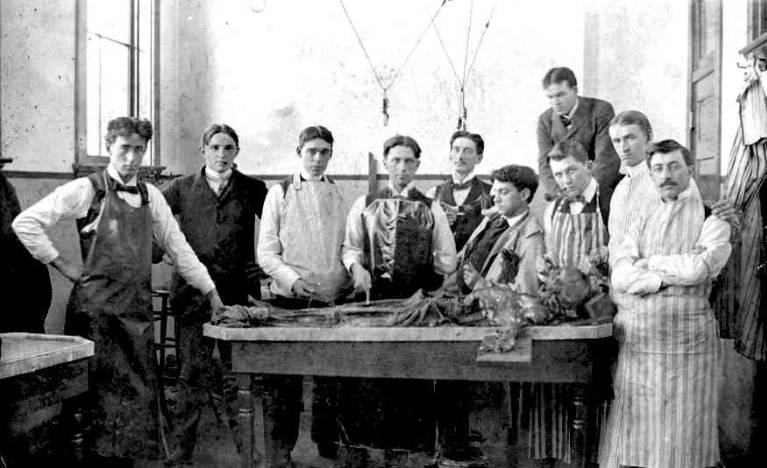
Classroom instruction in basic medical sciences is authorized at the Bloomington campus
Indiana University trustees approve the development of a medical department to teach a two-year basic medical sciences course. It is the start of President William Lowe Bryan’s vision of a full-fledged medical school.
Pictured: Anatomy class with cadaver, n.d.
Credit: Indiana University Indianapolis
View Source
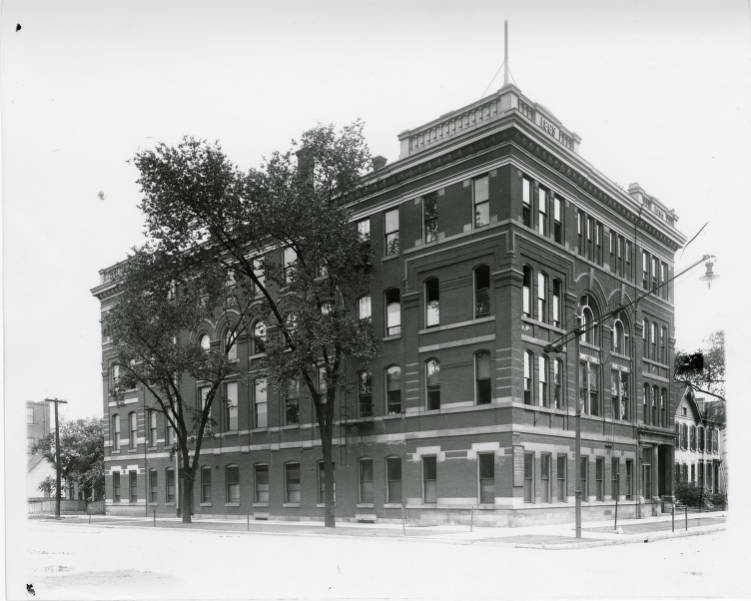
IU merges with private medical schools in Indianapolis to form IU School of Medicine
Indiana University president William Lowe Bryan wins a political battle with Purdue University to take over medical education in Indianapolis by merging with the Medical College of Indiana and the Central College of Physicians and Surgeons.
Pictured: The Indiana Medical College, 1906
Credit: Bass Photo Co Collection, Indiana Historical Society View Source
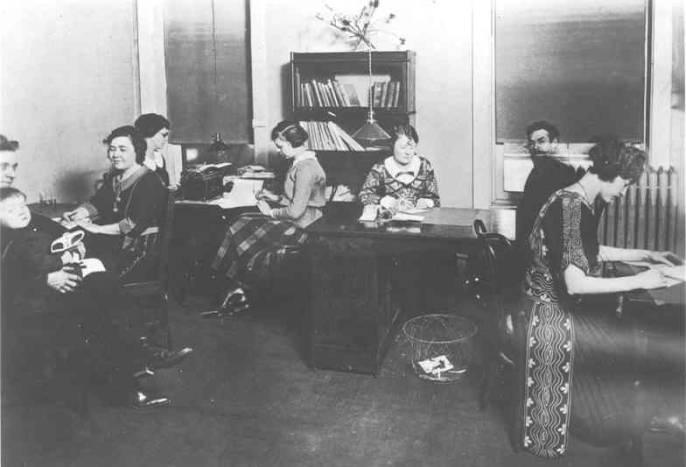
IU establishes the Department of Social Service in Indianapolis
Indiana University trustees fund the creation of a unit attached to the medical dispensary of the School of Medicine to implement “applied sociology.” The department later becomes the School of Social Work.
Pictured: Social service interviews at City Hospital, 1920s
Credit: Indiana University Indianapolis
View Source
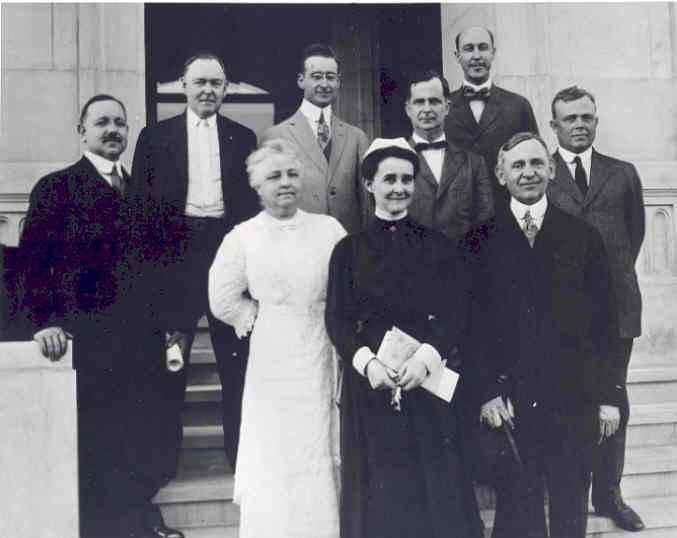
Dedication of Long Hospital
The opening of the hospital marks the beginning of the Indiana University School of Medicine campus along West Michigan Street. The hospital trains physicians, nurses, dietitians, and other medical professionals.
Pictured: Indiana University officials and hospital staff pose at the front door of Long Hospital for its dedication, 1914
Credit: Indiana University Indianapolis
View Source
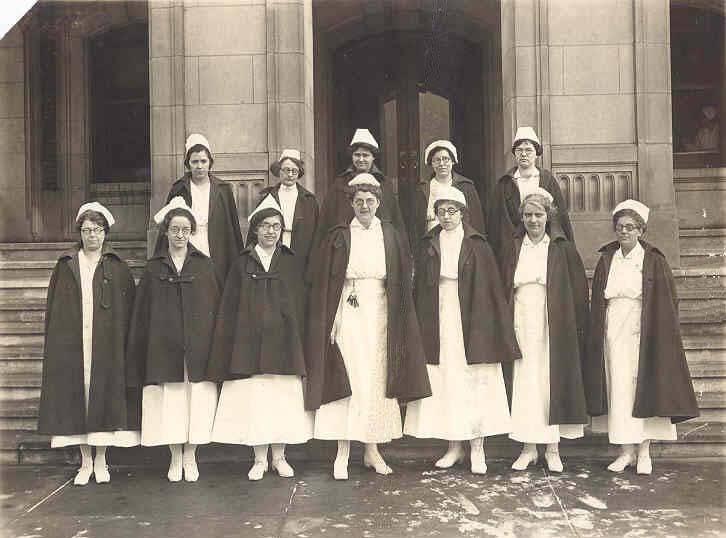
IU establishes the Training School for Nurses
The Indiana University Training School for Nurses begins with the admission of the first patient to the new Long Hospital. It is the first university-based nurse-training school in the US.
Pictured: Nursing faculty and head nurses of Long Hospital, ca. 1922
Credit: Indiana University Indianapolis
View Source
Indiana University-Indianapolis opens the Extension Center
In 1912, IU created its Extension Division to operate several extension centers around the state. The Indianapolis center begins offering courses in Shortridge High School classrooms four years later.
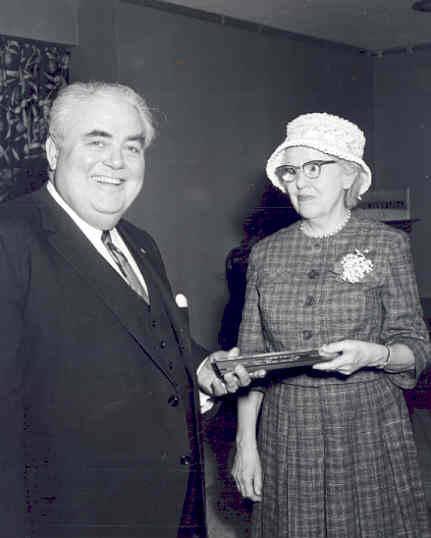
School of Medicine establishes a program in Nutrition and Dietetics
The school begins a year-long internship program to train dietitians to work in hospitals and other institutions. Beginning in 1923, Long Hospital dietitian Mattie Lute Troutt directs the program until retiring in 1960.
Pictured: Lute Troutt and Herman B. Wells, n.d.
Credit: Indiana University Indianapolis
View Source
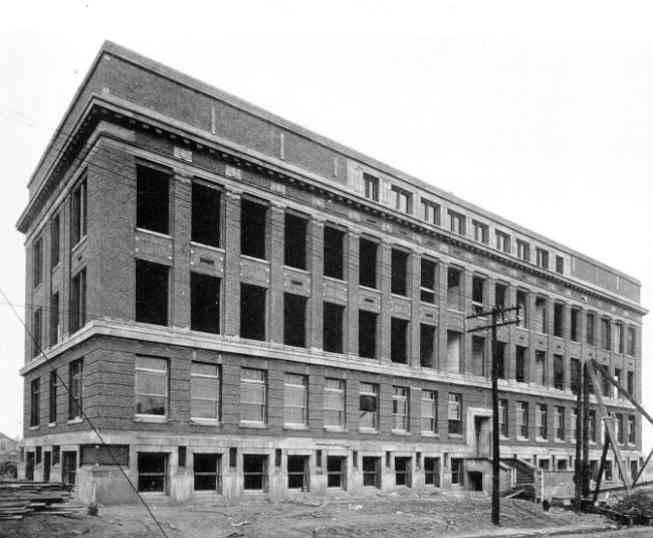
School of Medicine opens Emerson Hall
The new classroom and administration building for the School of Medicine is adjacent to Long Hospital. Additions occur in 1927 and 1961 when it is named after former Dean, Dr. Charles P. Emerson.
Pictured: Emerson Hall under construction, ca. 1918
Credit: Indiana University Indianapolis
View Source
Riley Memorial Association is incorporated to build Riley Hospital for Children
The Association is formed to raise money to build a children’s hospital in honor of popular poet James Whitcomb Riley (1849-1916). The RMA goes on to raise millions of dollars to support the hospital and pediatric care.
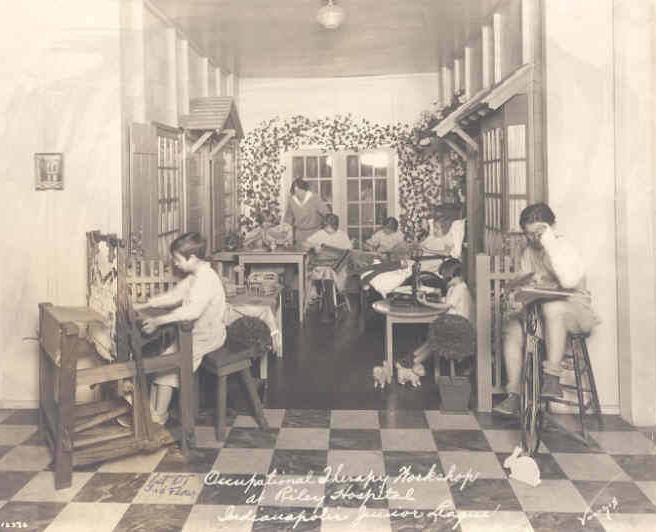
The Occupational Therapy program starts at IU Medical Center
The first Occupational Therapy unit opens in Long Hospital’s children’s ward. It then moves to Riley Hospital for Children in 1924.
Pictured: Occupational Therapy Workshop at Riley Hospital for Children, 1924
Credit: Indiana University Indianapolis View Source
Six students of the IU Training School for Nurses establish Sigma Theta Tau
Six students of the IU Training School for Nurses resolve to form an organization to foster nursing education and scholarship.
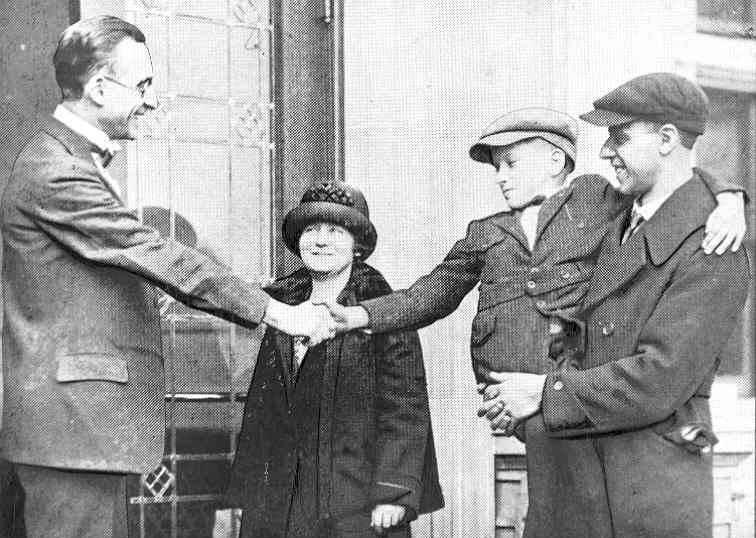
James Whitcomb Riley Hospital for Children admits its first patient
On October 7, 1924, city, state, and university leaders and dignitaries dedicate the completed Riley Hospital for Children. One month later, eleven-year-old Mark Noble is the first patient admitted.
Pictured: First patient Mark Noble admitted to Riley Hospital, 1924
Credit: Indiana University Indianapolis
View Source
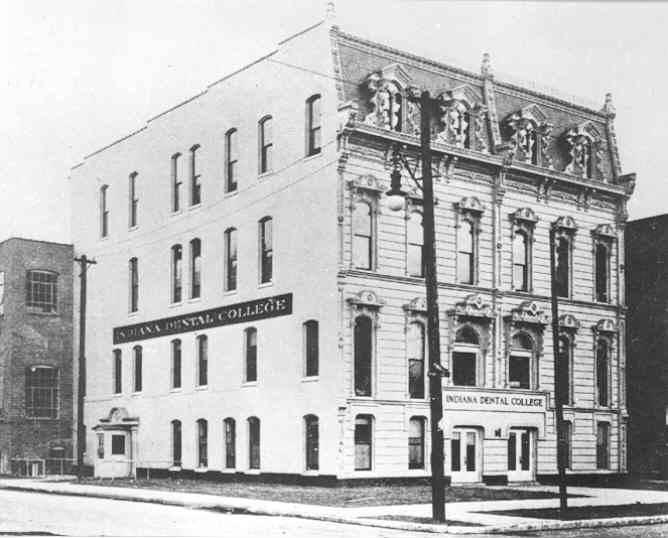
Indiana University acquires a private dental school to establish IU School of Dentistry
The Indiana General Assembly appropriates $40,000 to IU to purchase the Indiana Dental College. The new School of Dentistry operates in the Pennsylvania Street location until the opening of its new building on West Michigan Street in 1933.
Pictured: Dental School, n.d.
Credit: Indiana University Indianapolis
View Source
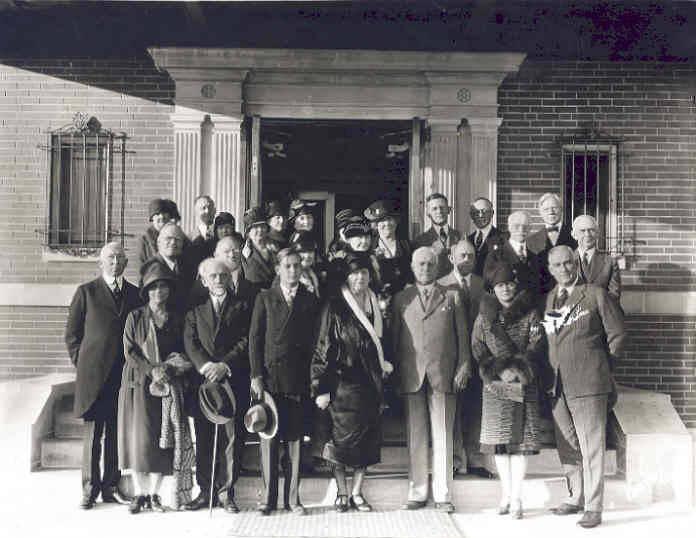
IU Medical Center opens the William H. Coleman Hospital for Women
The new IU Medical Center hospital serves pregnant mothers exclusively. Thousands of women give birth in Coleman. Mr. and Mrs. William H. Coleman fund the hospital.
Pictured: Coleman Hospital dedication, 1927
Credit: Indiana University Indianapolis
View Source
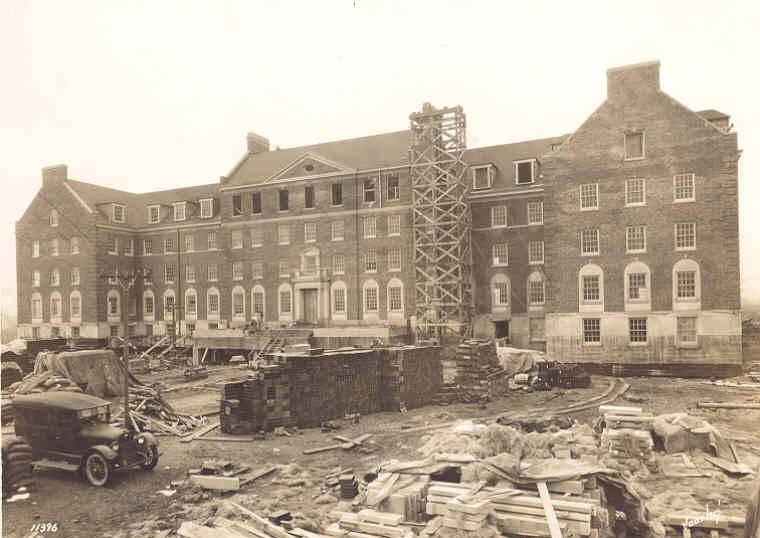
Ball Residence opens
The Riley Home for Nurses, later renamed Ball Residence Hall, opens to house female nurses, dietitians, and students for the nearby Riley Hospital for Children. It replaces several “cottages” which housed female staff and students.
Pictured: Ball Residence under construction, ca. 1927
Credit: Indiana University Indianapolis
View Source
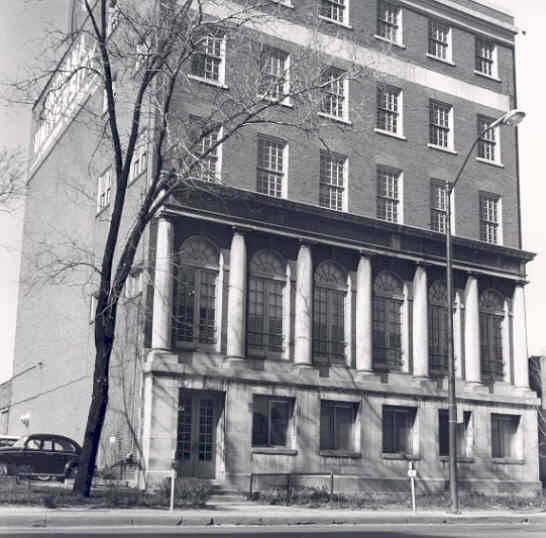
Former Bobbs-Merrill building is dedicated as IU Indianapolis Extension location
In January 1928, IU trustees purchase the Bobbs-Merrill building at 122 East Michigan Street in downtown Indianapolis. Offices, the library, and classrooms occupy three of five floors.
Pictured: Bobbs-Merrill building exterior, n.d.
Credit: Indiana University Indianapolis
View Source
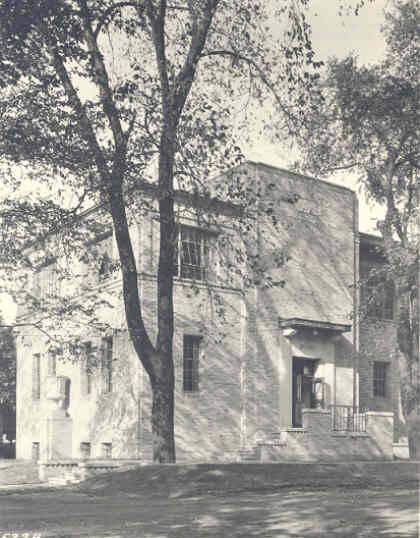
New John Herron Art Institute school building is dedicated
In July 1928, the Art Association of Indianapolis receives a gift of $200,000 from Caroline Marmon Fesler for a new art-school building. School director Edna Mann Shover moves quickly to raze the old building and build a new one.
Pictured: Exterior of new Herron main building, 1929
Credit: Indiana University Indianapolis
View Source
Rotary building is dedicated to expanding Riley Hospital capacity
Rotary Clubs of Indiana raises $276,000 to fund a new convalescent center next to Riley Hospital and the Ball Gardens. The center is designed as a therapeutic space for patients and has space for sixty children.
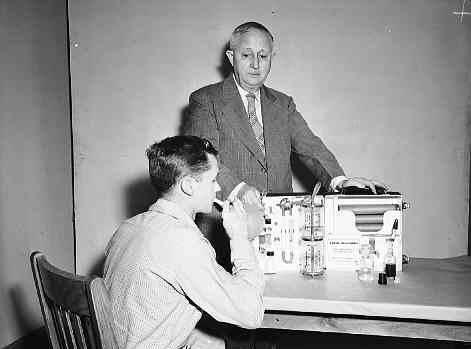
Prof. Rolla N. Harger assigns his Drunk-o-meter invention to Indiana University Foundation
Harger’s invention is the first patent handled by the Indiana University Foundation to develop it for profit to the university. Used around the world, the Drunk-o-meter is the first practical tool for measuring alcohol in the body and predates the Breathalyzer.
Pictured: Rolla Harger and student testing Drunk-o-meter, n.d.
Credit: Indiana University Indianapolis
View Source
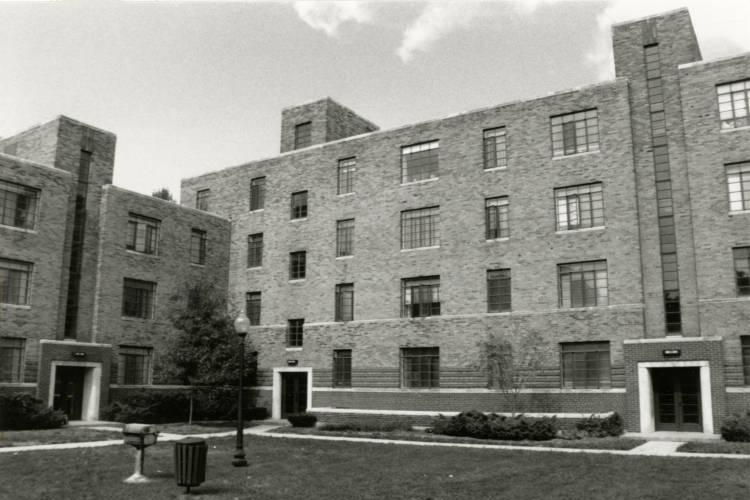
Lockefield Gardens public housing development opens
Beginning during the Great Depression with groundbreaking in 1935, the Public Works Administration’s New Deal plan demolishes 363 houses on 22 acres and replaces them with 748 apartments in 24 buildings, all to be occupied by African Americans.
Pictured: Lockefield Gardens apartments, located at 737 Lockefield Lane, ca. 1980
Credit: City of Indianapolis, Department of Metropolitan Development, Indiana Historical Society View Source
Purdue University establishes an Extension program in Indianapolis
Responding to President Franklin Roosevelt’s call for increased technical training for industrial workers, Purdue initially offers “defense training” to high-school students and factory workers in the IU-Extension building at 122 East Michigan Street, later moving to other downtown sites.
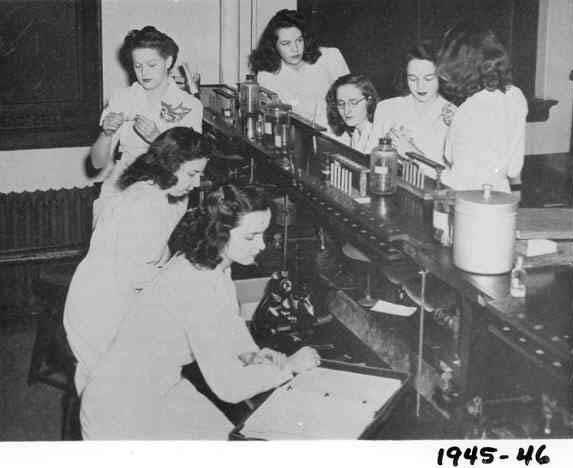
Bachelor of Science in Medical Technology is established
The program trains staff to work in IU Medical Center hospitals’ laboratories and other facilities. It is managed initially in the School of Medicine’s Department of Pathology under Dr. Clyde Culbertson, MD.
Pictured: Medical Technology students, ca. 1946
Credit: Indiana University Indianapolis
View Source
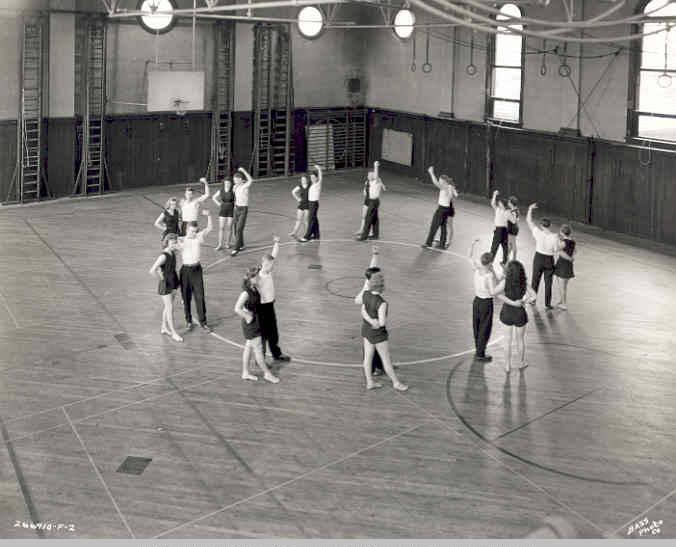
Normal College merges with Indiana University
Having fallen on hard times during the Great Depression, leaders of the Normal College of the American Gymnastic Union agree to allow IU to take over the physical-education school.
Pictured: Normal College dance class, 1946
Credit: Indiana University Indianapolis
View Source
32nd General Hospital is inducted into the US Army
After the US entry into World War II, Indiana University School of Medicine dean Willis Gatch recruits physicians, nurses, and dentists educated in the IU Medical Center to organize a military hospital.
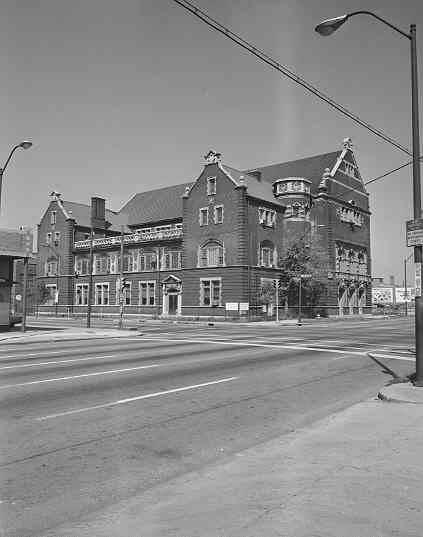
Indiana Law School merges with IU School of Law
Leaders of the cash-strapped private law school (established in 1894) approach IU and agree to the university taking it over. IU recognizes the school’s graduates as IU alumni and alumnae.
Pictured: Maennerchor Building, location of School of Law, n.d.
Credit: Indiana University Indianapolis View Source
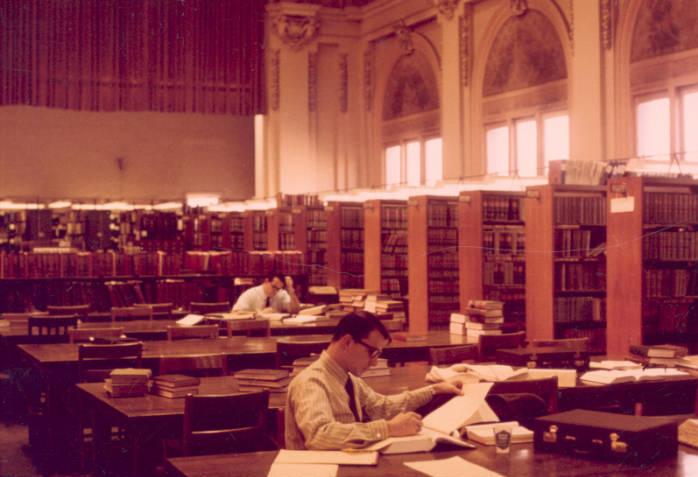
Indiana University leases Maennerchor Building
Located at Illinois and Michigan Streets, the building houses the new Evening Division of the IU School of Law and the Department of Social Service. IU later buys the structure.
Pictured: Students studying in Law School Library, Maennerchor Building, n.d.
Credit: Indiana University Indianapolis
View Source
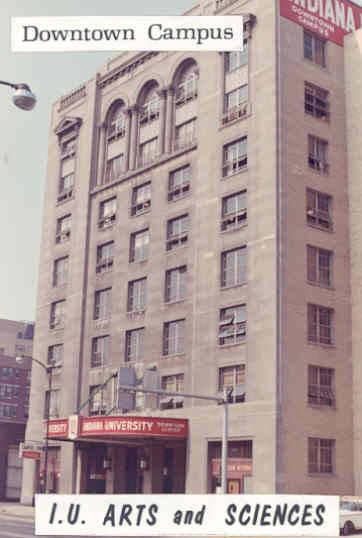
IU purchases Lumberman’s Building to add classroom space
The building is just around the corner from the Extension’s main building, the former Bobbs-Merrill Building, at 122 E. Michigan Street. IU then enrolls three thousand in Extension courses in Indianapolis.
Pictured: Lumberman’s Building Exterior, n.d.
Credit: Indiana University Indianapolis
View Source
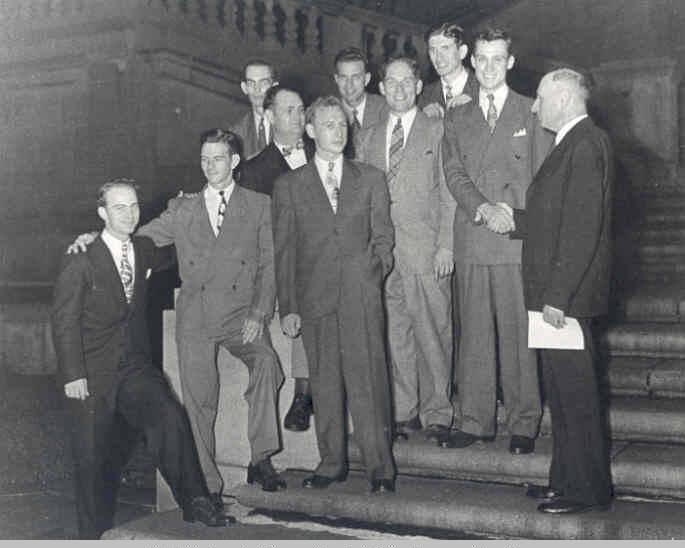
Purdue Technical Institute in Indianapolis graduates ten students
Established during World War II, Purdue University’s Technical Institutes Division aims to train industrial workers in war-related industries. Purdue does not have another graduation in Indianapolis until 1968.
Pictured: First Purdue-Indianapolis Extension graduates, 1947
Credit: Indiana University Indianapolis
View Source
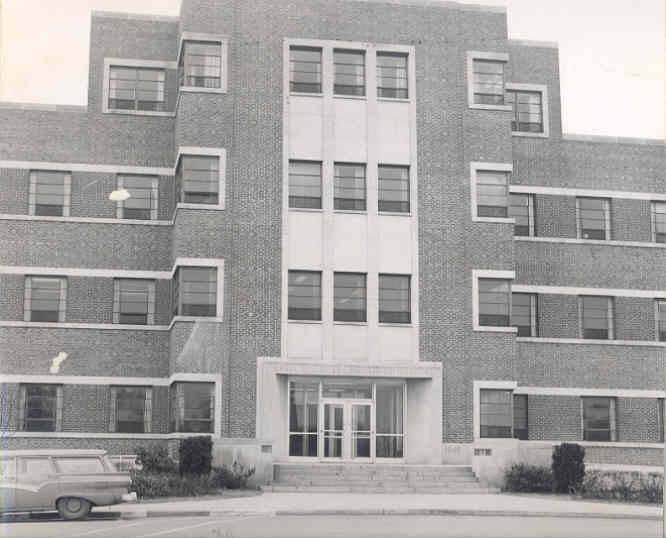
Larue D. Carter Memorial Hospital opens to patients
The state-run mental hospital at 1315 West 10th Street calls on the expertise of physicians, nurses, and other staff from the adjacent IU Medical Center.
Pictured: Larue Carter Hospital, ca. 1956
Credit: Indiana University Indianapolis
View Source
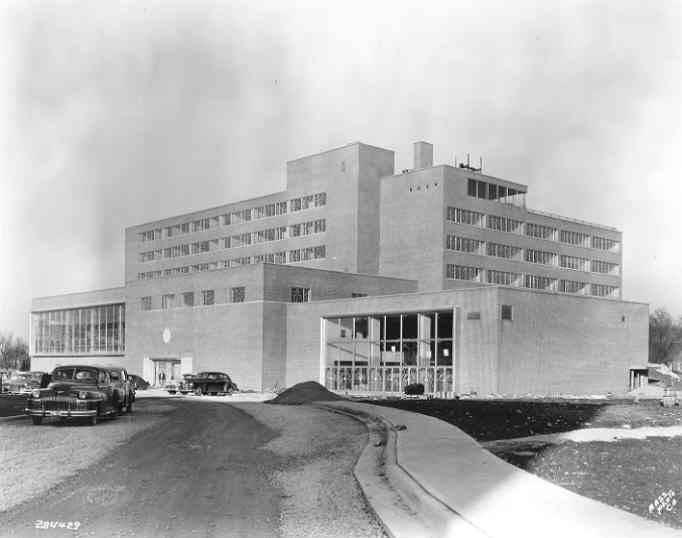
Student Union and Food Service Building is dedicated
The five-story structure features dining and conference rooms, apartments, and hotel rooms. As well, the $4.15 million building has a snack bar, gift and beauty shops, and an indoor swimming pool, making it the Medical Center’s social hub.
Pictured: Union Building, 1953
Credit: Indiana University Indianapolis
View Source
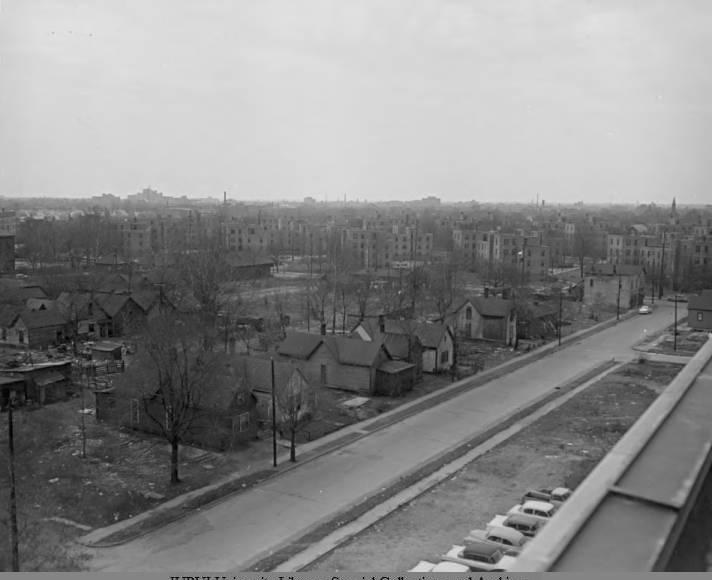
Indiana University purchases property on Indiana Avenue
IU trustees create Hoosier Realty Corporation to buy Indianapolis properties to allow campus consolidation and expansion. This results in the eventual displacement of the area’s mostly Black residents.
Pictured: View of neighborhood looking northeast from Med Science building, ca. 1960
Credit: Indiana University Indianapolis
View Source
IU, Purdue, and City Government hires Victor Gruen Associates to plan “University Quarter” Campus
The noted urban planning consultancy is to “develop concepts” for the near-westside area where both Purdue University and Indiana University are to locate their Indianapolis operations. The firm concludes that IU should continue removing residents from the neighborhood.
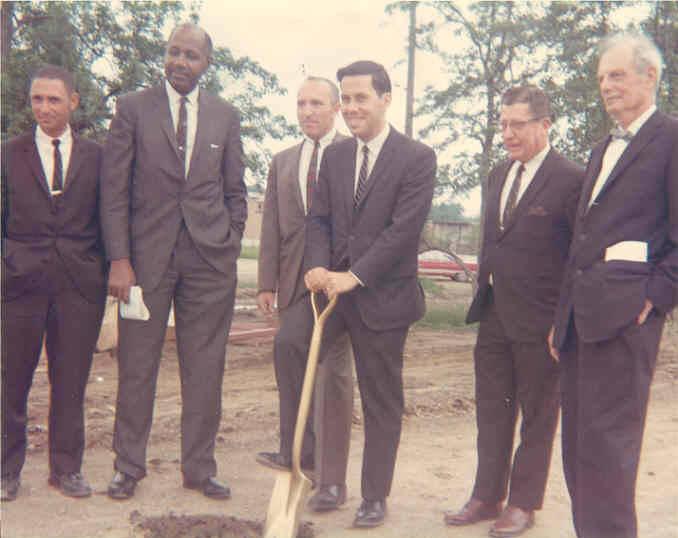
Indianapolis mayor calls for an independent state university in the city
Indianapolis mayor Richard G. Lugar broadcasts a speech threatening Indiana University and Purdue University that if they do not improve their Indianapolis programs city politicians will create a new, separate state university.
Pictured: Mayor Richard G. Lugar at Cavanaugh Hall groundbreaking, 1968
Credit: Indiana University Indianapolis
View Source
Indiana and Purdue University Presidents Agree to Merge Indianapolis campuses
After Mayor Richard Lugar threatens the establishment of an independent state university for Indianapolis, the presidents of Purdue and IU meet in secret in late December and agree to a merger.
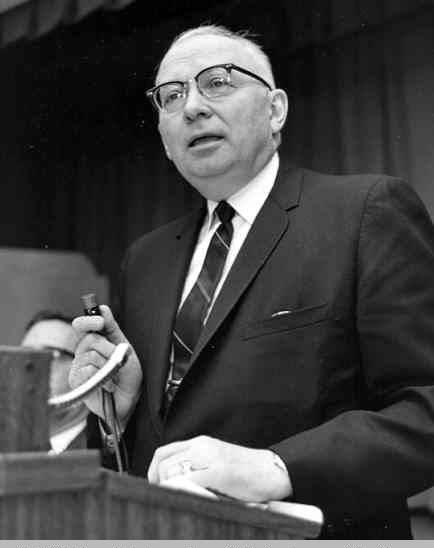
First Chancellor of IUPUI
Dr. Maynard K. Hine, DDS, is named the first Chancellor of IUPUI. With his previous administrative experience in the IU School of Dentistry, Hine strategically works with the faculty and staff to develop IUPUI.
Pictured: Maynard K. Hine, 1969
Credit: Indiana University Indianapolis
View Source
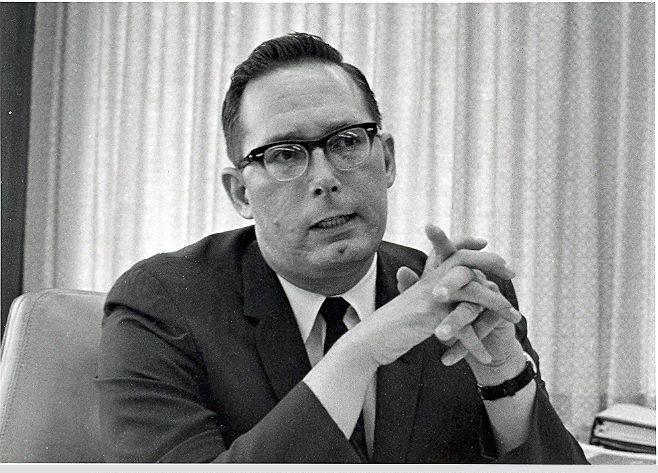
Jack M. Ryder and John C. Buhner are both appointed as vice-chancellors
IU and Purdue leaders jointly appointed Jack M. Ryder as vice-chancellor at IUPUI, to oversee the merger of the administrative bureaucracies of the two universities in Indianapolis.
Pictured: Jack M. Ryder, n.d.
Credit: Indiana University Indianapolis
View Source
Black Student Union adopts its first constitution
Members of the Black Student Union adopt a constitution to govern its future meetings, activities, and elected officers.
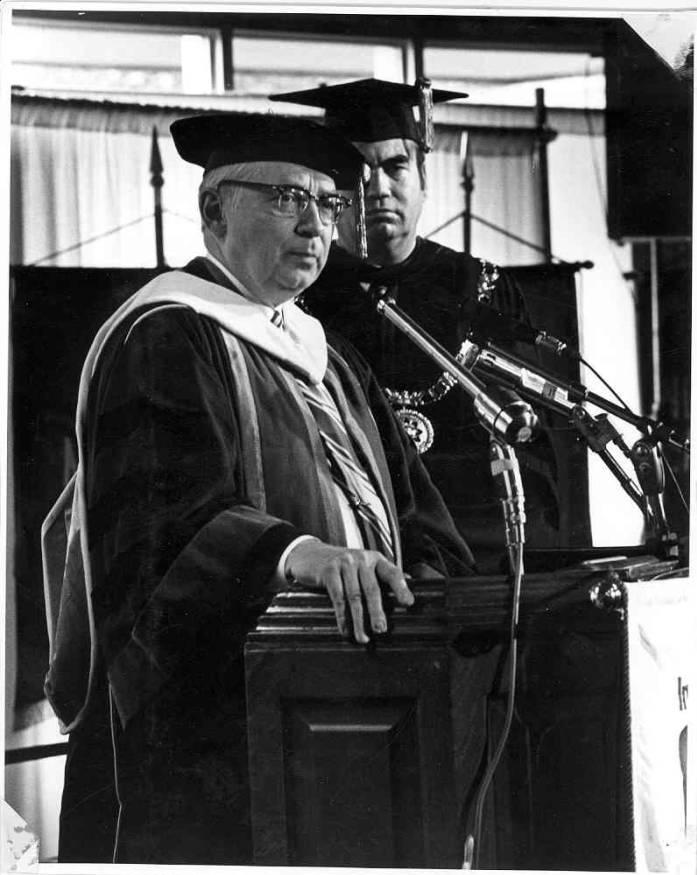
University Hospital is dedicated
Built for $16.8 million, students in the School of Medicine, School of Nursing, the School of Dentistry, and other programs train in the new facility, which replaces the aging Long and Coleman Hospitals on campus.
Pictured: Chancellor Maynard K. Hine and IU President Joseph L. Sutton at dedication ceremony, 1970
Credit: Indiana University Indianapolis
View Source
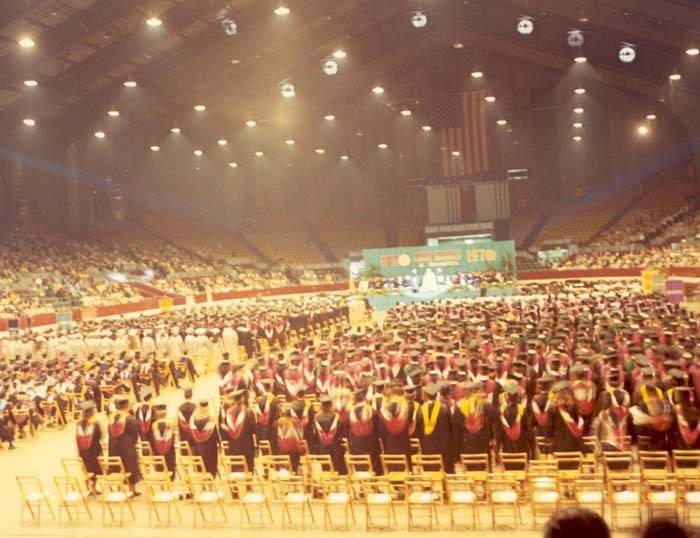
First IUPUI Commencement
The first IUPUI commencement, held at the Indiana State Fairground Coliseum, grants 1,535 degrees.
Pictured: IUPUI Commencement, 1970
Credit: Indiana University Indianapolis
View Source
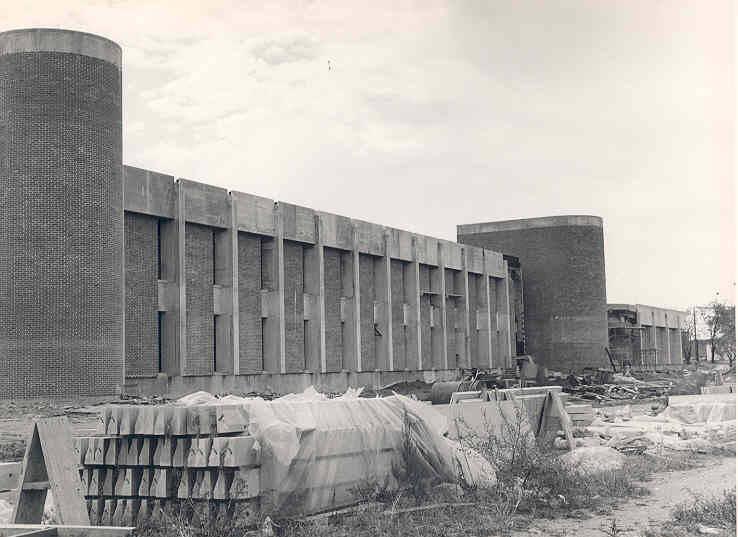
IU School of Law-Indianapolis moves onto the IUPUI Campus
The School of Law moves out of the Maennerchor Building into the new building at Blackford and New York Streets.
Pictured: School of Law building under construction, 1970
Credit: Indiana University Indianapolis
View Source
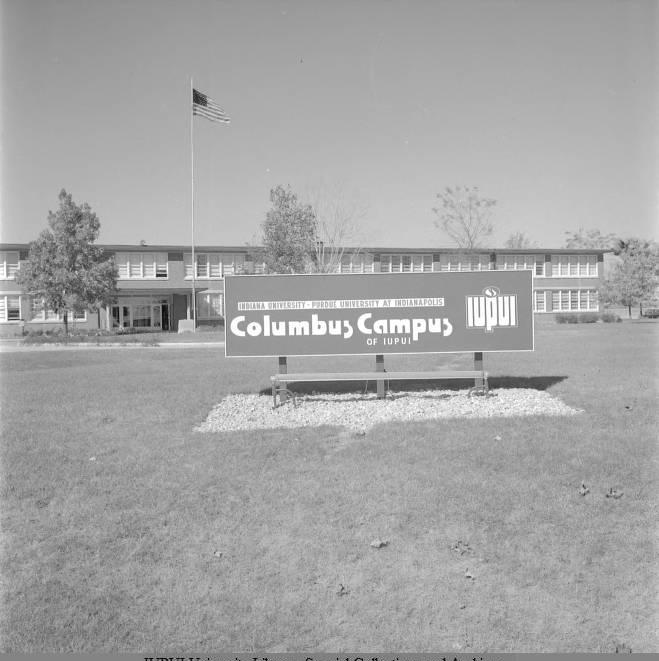
Columbus Center of IUPUI opens
IU and Purdue assign the development of a Columbus campus to the recently created IUPUI. The Center opens with two employees, a director and a secretary.
Pictured: IUPUC sign, 1978
Credit: Indiana University Indianapolis
View Source
Student governments of 38th Street Campus, Circle City Campus, Herron, and Normal College hold joint meeting
The purpose of the meeting is to discuss how they might work together. Students create an Ad Hoc Committee on Student Solidarity to draft a new, unified student government.
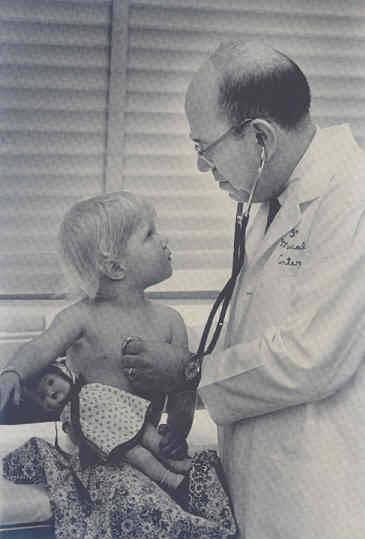
Riley Hospital for Children Parent Care Unit opens
With the unit, Dr. Morris Green, chairman of the Department of Pediatrics and chief physician of Riley Hospital for Children, creates a national model for family-centered care. Parents can stay round the clock with their children.
Pictured: Dr. Green and patient, ca. 1970s
Credit: Indiana University Indianapolis View Source
Goals and Objectives Committee is formed
Chancellor Maynard K. Hine forms the Goals and Objectives Committee (GO Committee) to develop long-range plans for IUPUI. Two years later, the group releases a report recommending actions leaders should take to develop the campus.
IUPUI Faculty Council approves move to start intercollegiate sports competition
The IUPUI Faculty Council, the faculty governance body of the campus, approves the recommendation of its Athletic Affairs Committee to engage in intercollegiate sports competition as soon as possible.
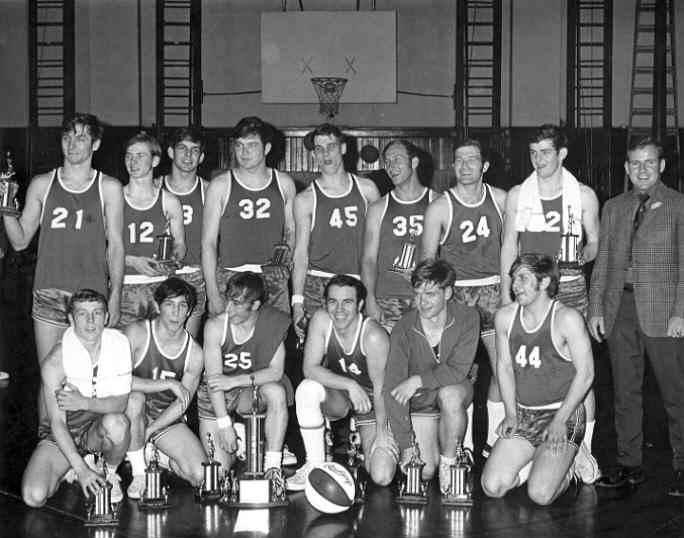
Nick Kellum takes IUPUI intramural men’s basketball team to IU regional campus tourney
Kellum, intramural sports director, takes the champion team from Normal College to represent IUPUI in a tournament hosted by IU-Kokomo. IUPUI loses to IUK, but defeats IPFW in their second game. This is the beginning of IUPUI intercollegiate sports.
Pictured: Normal College team that won IUPUI intramural championship, 1970 (P. Nicholas Kellum, at right)
Credit: Indiana University Indianapolis
View Source
Office of Student Services opens
According to the 1969 merger agreement, office staffs of IU and Purdue admissions, registration, financial aid, and supervision of student activities and organizations combine on this date.
IU Assumes administrative control of IUPUI
After a two-year period of reorganization of the Indianapolis campuses, IU assumes overall responsibility for the management of IUPUI. Arthur D. Lautzenheiser becomes IUPUI’s business manager.
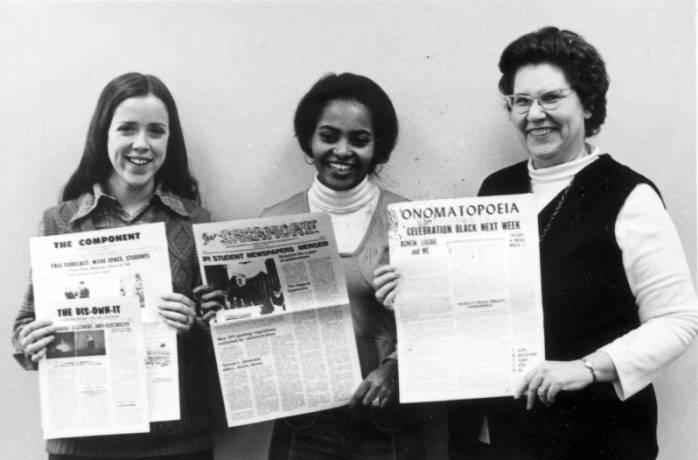
IUPUI student newspaper is established
A group of IUPUI students, faculty, and administrators meet in July to draft a plan for a single student publication, The Sagamore. IUPUI students publish the first issue on October 5, 1971.
Pictured: Archivist Jeannette M. Matthew (right) and students hold student newspapers, 1976
Credit: Indiana University Indianapolis
View Source
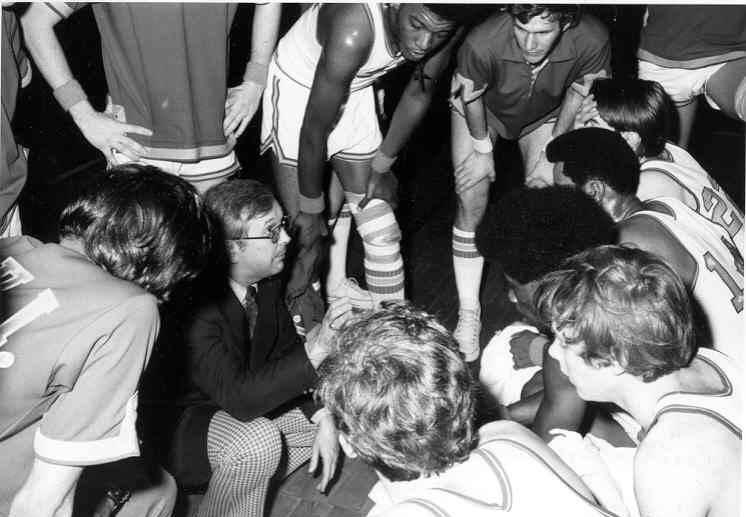
Men’s basketball team plays as Metros in IU-Kokomo tournament
IUPUI men’s basketball team plays their first game using the Metros as their team name. The game is a rematch with Kokomo after their meeting in March 1971, when IUPUI sent a champion intramurals team.
Pictured: Coach George Dickison and players, 1972
Credit: Indiana University Indianapolis
View Source
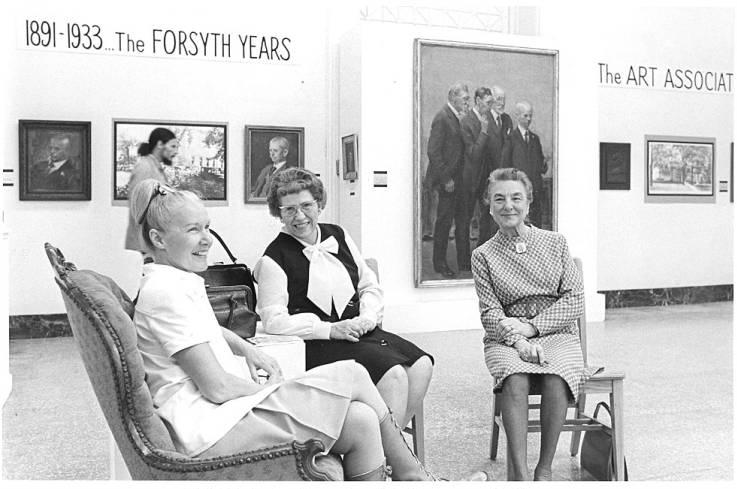
First Herron Alumni Homecoming is held
IUPUI’s Herron School of Art holds its first Alumni Association Homecoming in 1972. The event attracts distinguished artists who have studied at and graduated from Herron.
Pictured: Herron Alumni Hostesses, 1972
Credit: Indiana University Indianapolis
View Source
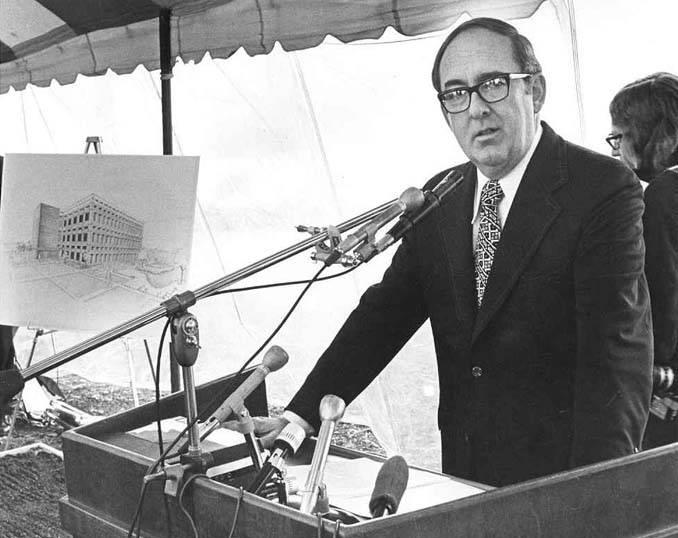
Second Chancellor of IUPUI is appointed
Dr. Glenn W. Irwin, Jr., former dean of the School of Medicine, becomes the second chancellor of IUPUI. Under his leadership, IUPUI grows rapidly.
Pictured: Glenn W. Irwin Jr., 1975
Credit: Indiana University Indianapolis View Source
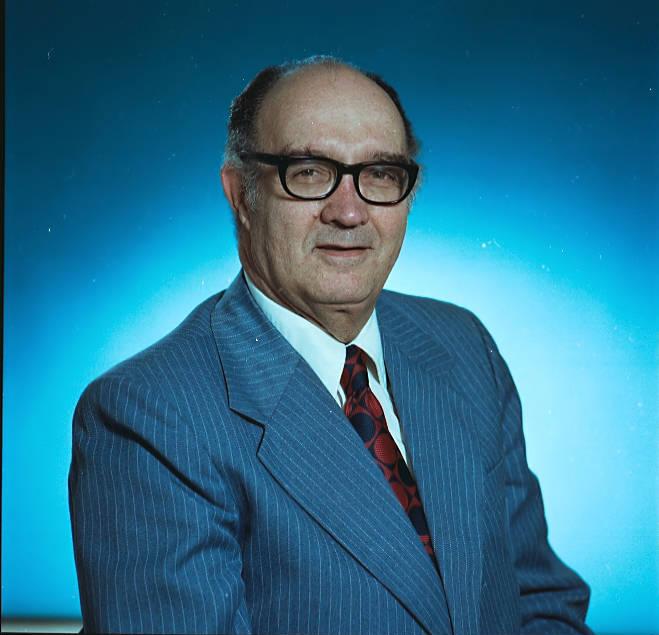
Edward C. Moore is appointed Executive Vice-Chancellor
Moore’s appointment comes at the same time Glenn W. Irwin, Jr., becomes chancellor. Moore takes over the task of building the faculty and academic programs on the campus.
Pictured: Edward C. Moore, 1977
Credit: Indiana University Indianapolis
View Source
Roy Wilkins gives the first Wendell L. Willkie Memorial Lecture in the School of Law
Wilkins (1801-1981) is a longtime leader of the NAACP (National Association for the Advancement of Colored People).
Genesis literary magazine begins publication
Students approach Professors Rebecca E. Pitts and Laurence Lampert to ask if they would supervise a student literary magazine. School of Liberal Arts dean Joseph T. Taylor believes that the journal would create a good image of IUPUI.
Report is issued on Intercollegiate Athletics for IUPUI and IU Regional Campuses
In 1973, an IU system-wide committee prepares a report providing guidance for the creation of intercollegiate athletics programs at IUPUI and the regional campuses to provide athletic opportunities for all IU students.
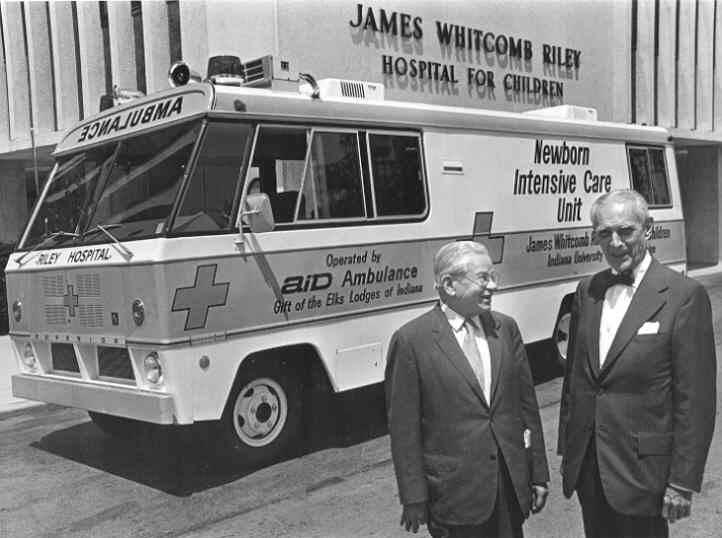
Riley Hospital for Children designs one of the first mobile Newborn Intensive Care Units
Pioneering Riley neonatologist Edwin L. Gresham designs this special ambulance. Gresham’s basic unit is a converted recreational vehicle, equipped with incubators, ventilators, monitors, warmers, centrifuge, and blood gas analyzer.
Pictured: Newborn Intensive Care Ambulance, 1978
Credit: Indiana University Indianapolis
View Source
IUPUI adds two more sports for the coming school year
Both a men’s tennis and a men’s golf team are approved to start during 1974–1975 school year.
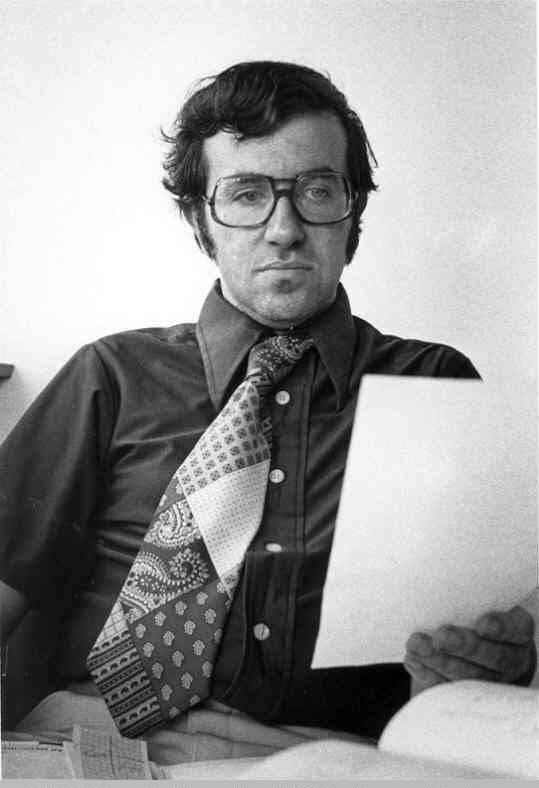
Lawrence Einhorn MD introduces new therapies that cure patients with testicular cancer
Einhorn, a chemical oncologist, treats his first patient with Cisplatin, an experimental drug. He combines it with two other drugs with spectacular results. Einhorn continues to refine the treatment.
Pictured: Dr. Lawrence H. Einhorn, 1977
Credit: Indiana University Indianapolis
View Source
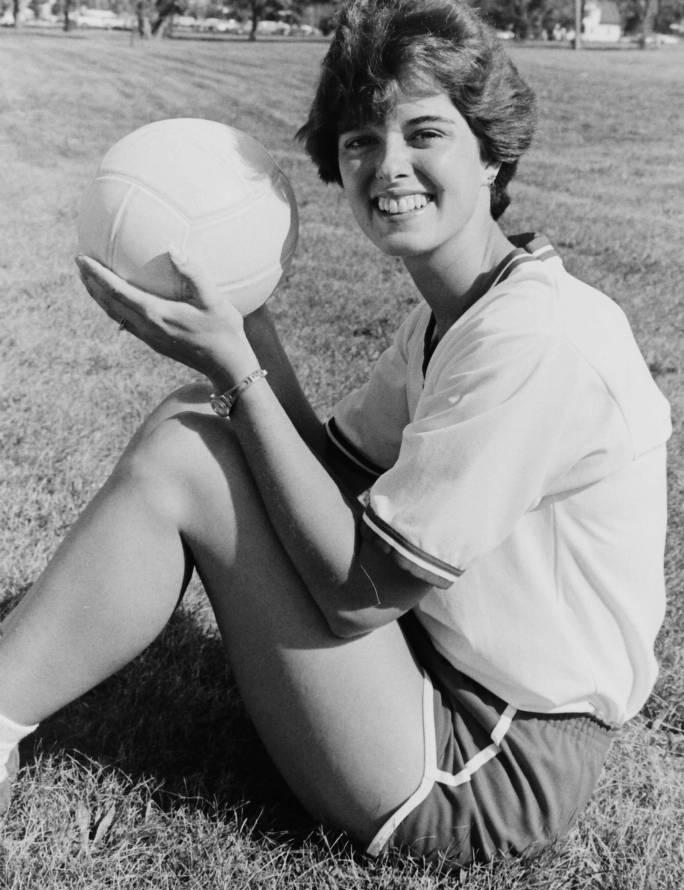
Multiple women’s sports are approved
Women’s basketball, softball, and volleyball are all approved to start for the 1974–1975 school year.
Pictured: Women’s volleyball team member, 1978
Credit: Indiana University Indianapolis
View Source
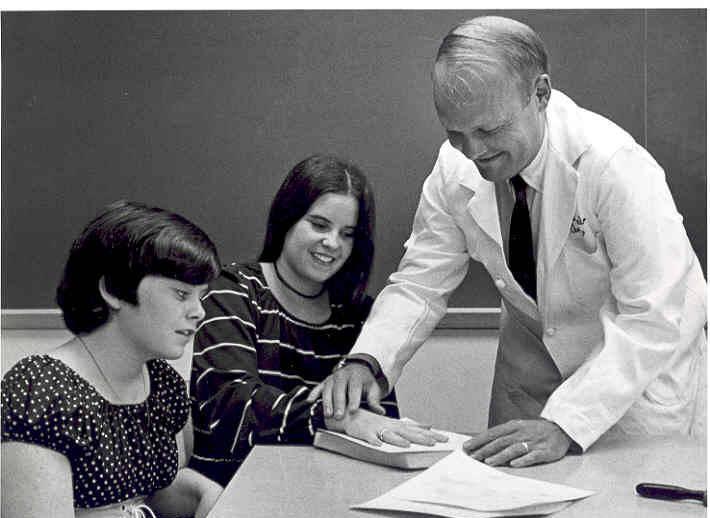
School of Medicine receives federal grant to set up genetic research center
The IU School of Medicine (IUSM) is the tenth center for research in genetic diseases in the country and the first in the Midwest to be funded by the US government. The center is housed at Riley Hospital for Children.
Pictured: Prof. Walter Nance preparing fingerprints of non-identical twins, n.d.
Credit: Indiana University Indianapolis
View Source
IUPUI makes a Core Campus of Indiana University
IUPUI receives an updated status as a core campus within the Indiana University system. Instead of being a “regional” campus in IU, the Indianapolis campus is made co-equal to the IU-Bloomington campus.
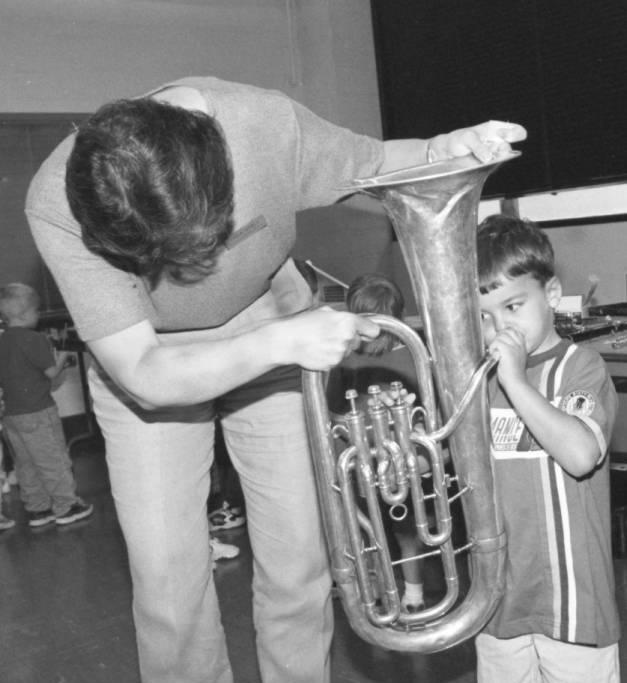
First daycare for IUPUI students and faculty is opened
The daycare center, which provides care for three to five-year-olds, prioritizes the children of students first, then faculty and staff. It starts with one licensed pre-school teacher aided by student assistants.
Pictured: Center for Young Children, 1998
Credit: Indiana University Indianapolis
View Source
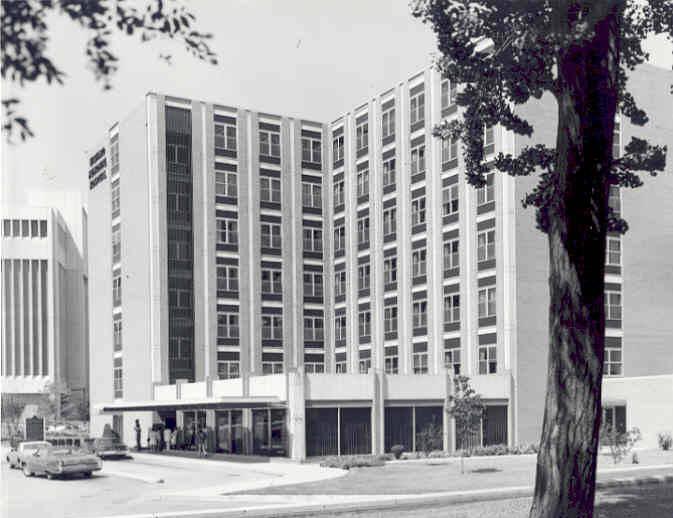
City and IU agree to have the School of Medicine manage Marion County General Hospital
With an initial two-year trial agreement, the IU School of Medicine (IUSM) takes over all management and professional services of the renamed Wishard Memorial Hospital, including patient care, teaching, and research activities.
Pictured: Wishard Memorial Hospital, 1975
Credit: Indiana University Indianapolis
source: https://iuidigital.contentdm.oclc.org/digital/collection/IUPUIphotos/id/3028
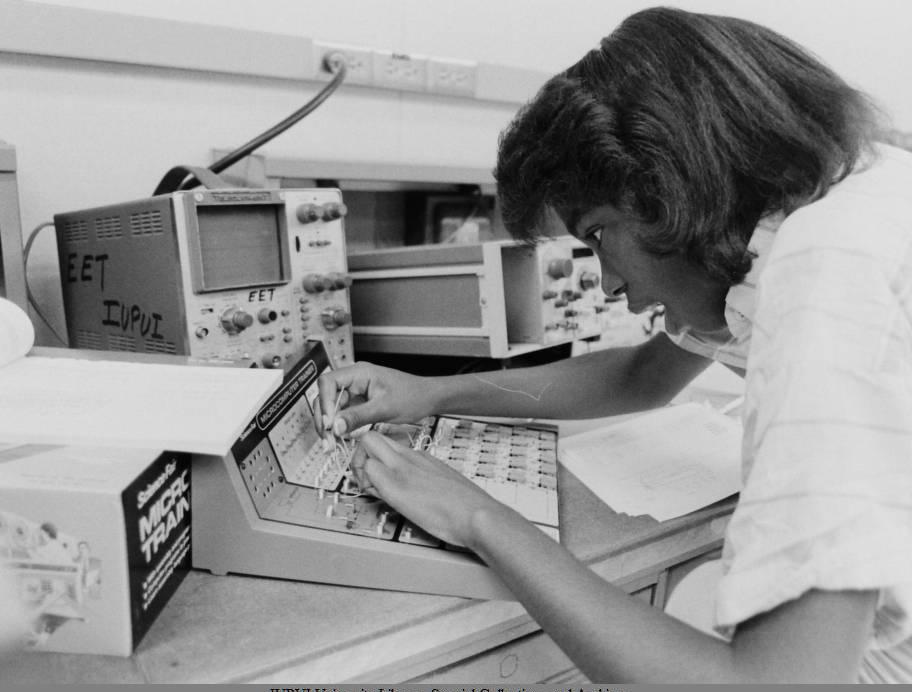
The Minority Engineering Advancement Program (MEAP) is established
Dr. R. Bruce Renda, dean of the School of Engineering and Technology, creates MEAP. The program has great success in promoting and nurturing minority achievement in engineering and college education in general.
Pictured: MEAP student, 1986
Credit: Indiana University Indianapolis
View Source
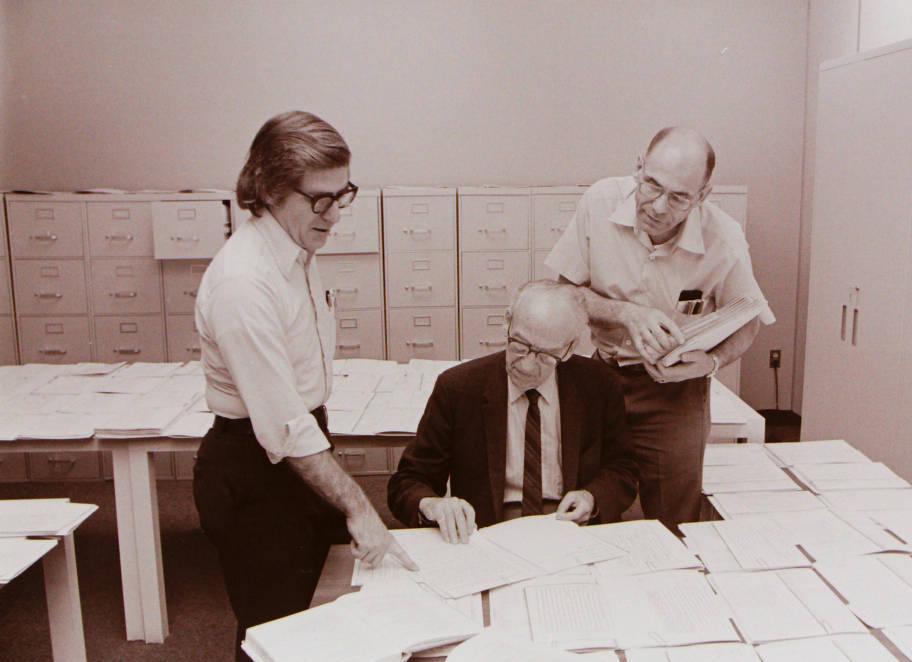
The Charles S. Peirce Project moves to IUPUI
The Peirce project is a documentary editing project to publish the complete works of the influential American philosopher. The project moves to IUPUI from Texas Tech and forms the core of what later will become the Institute of American Thought.
Pictured: Dr. Max Fisch (seated) and Peirce Project staff, 1976
Credit: Indiana University Indianapolis
View Source
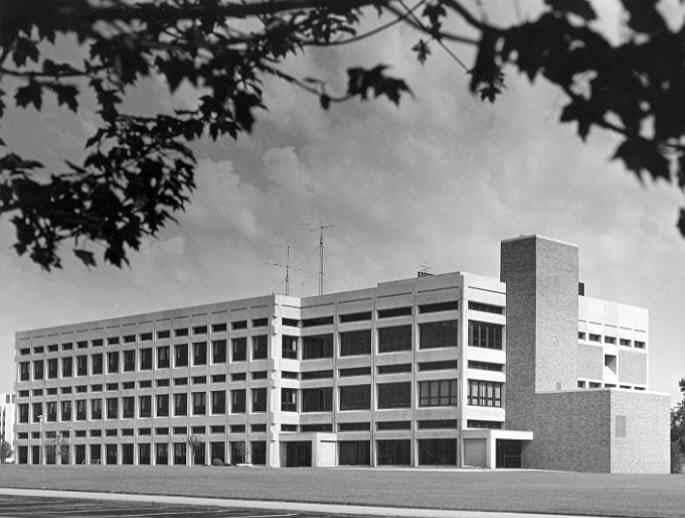
IUPUI leaders dedicate the new School of Engineering and Technology Building
The event is the culmination of years of work to move former Purdue programs from the 38th Street campus to downtown. Once downtown, the school goes on to build strong undergraduate and graduate programs.
Pictured: New Engineering and Technology building, 1976
Credit: Indiana University Indianapolis
View Source
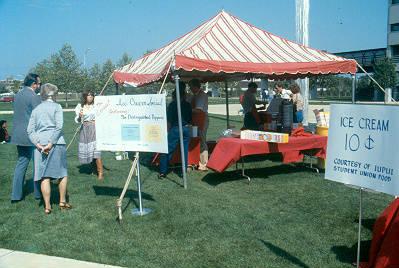
First Ice Cream Social
The Ice Cream Social is one of the many activities welcoming students during the start of the new school year.
Pictured: Ice Cream Social tent, n.d.
Credit: Indiana University Indianapolis
View Source
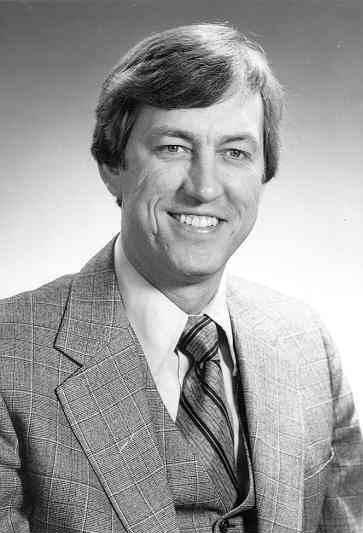
Paul R. Bippen is appointed Director at IUPUI-Columbus Center
Dr. Bippen was previously interim director of the center, and before that, he was assistant to Indiana University’s chancellor for regional programs and assistant to the IUPUI dean of the faculties.
Pictured: Paul R. Bippen, 1977
Credit: Indiana University Indianapolis
View Source

Wishard Memorial Hospital burn unit is dedicated
In 1975, the IU Medical Center and city government agreed that the School of Medicine would manage Marion County General Hospital (later renamed Wishard Memorial Hospital). The burn unit is one of several improvements that result from this agreement.
Pictured: Wishard Hospital burn ward dedication, 1977
Credit: Indiana University Indianapolis
View Source
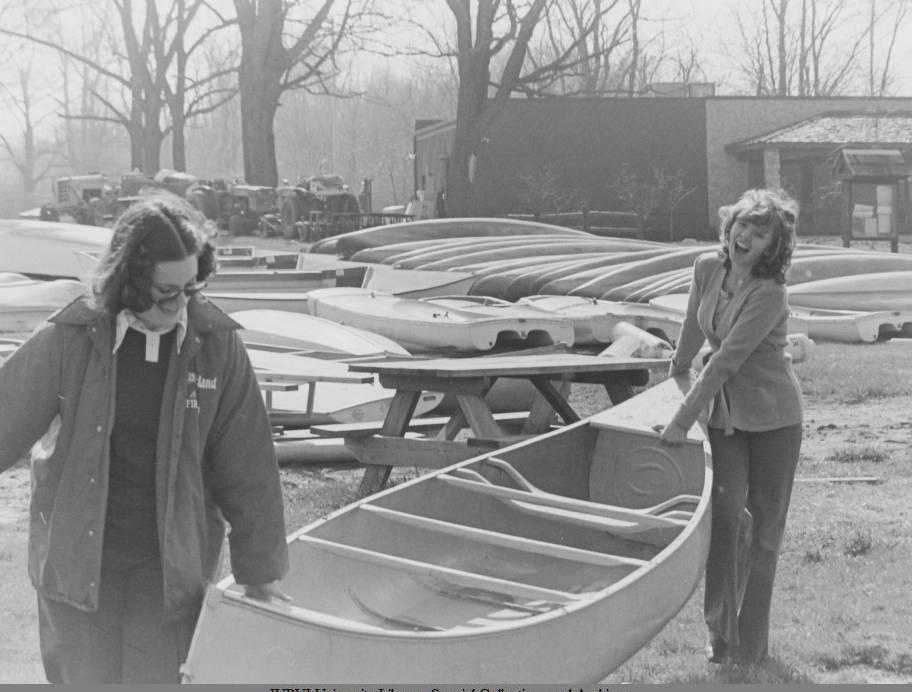
First Circle City Circuit canoe race is held
The race, which is held at Eagle Creek Park, is part of a week-long “festival” aimed to create campus traditions.
Pictured: Canoe racing at Eagle Creek, 1977
Credit: Indiana University Indianapolis
View Source
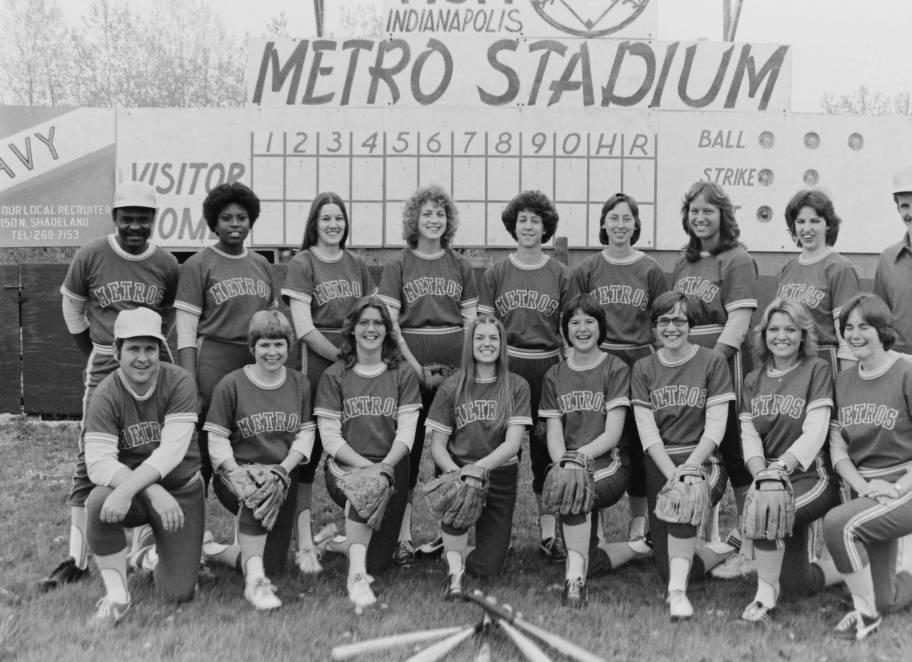
IUPUI joins the NAIA and AIAW
Men’s basketball, tennis, and golf join the National Association of Intercollegiate Athletics (NAIA). Women’s basketball, softball, and volleyball join the Association for Intercollegiate Athletics for Women (AIAW).
Pictured: Metros softball team, 1978
Credit: Indiana University Indianapolis
View Source
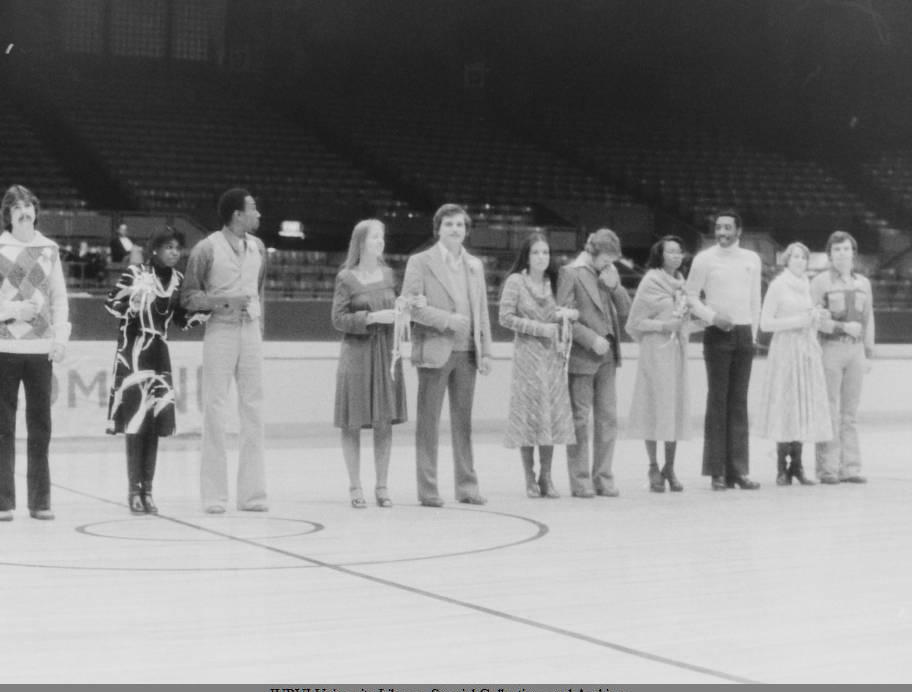
IUPUI celebrates its first Homecoming
While IUPUI had enjoyed intercollegiate sports for years, the first homecoming event was not organized until after IUPUI joins the National Association of Intercollegiate Athletics (NAIA) conference in 1978.
Pictured: Homecoming court, 1978
Credit: Indiana University Indianapolis
View Source
Spring break is extended an extra week due to the national energy crisis and coal miner strike
IUPUI chancellor Glenn W. Irwin, Jr., institutes energy conservation practices to reduce university costs as well as to reduce the strain on supplies of coal needed to heat campus buildings.
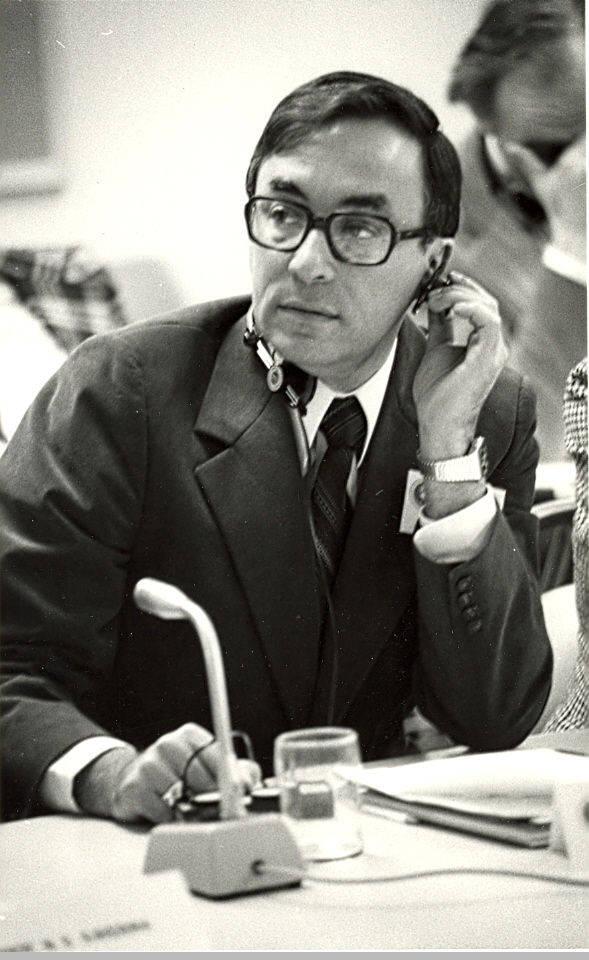
Cardiologist invents the implantable transvenous cardioverter to correct heart arrhythmia
Dr. Douglas P. Zipes, an expert in heart arrhythmias, develops the cardioverter in collaboration with Medtronic. The device is the first of its kind and corrects life-threatening abnormal rapid-cardiac rhythms.
Pictured: Dr. Douglas P. Zipes, 1979
Credit: Indiana University Indianapolis
View Source
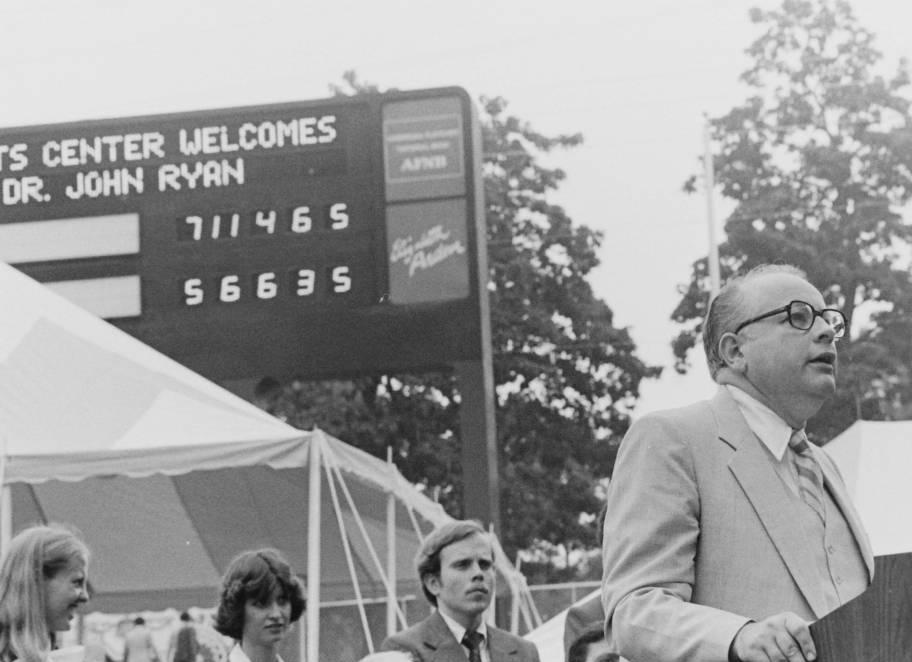
Indianapolis Tennis Center opens on the IUPUI campus
IUPUI works with the city to build the courts to retain the US Clay Court Championships and attract other sporting events.
Pictured: IU President John W. Ryan at dedication of Indianapolis Tennis Center, 1979
Credit: Indiana University Indianapolis
View Source
Students and faculty organize a protest against university investment in apartheid-era South Africa
The Indianapolis South Africa Committee (ISAC), a group of IUPUI students and faculty, picket a meeting of the Indiana University Board of Trustees.
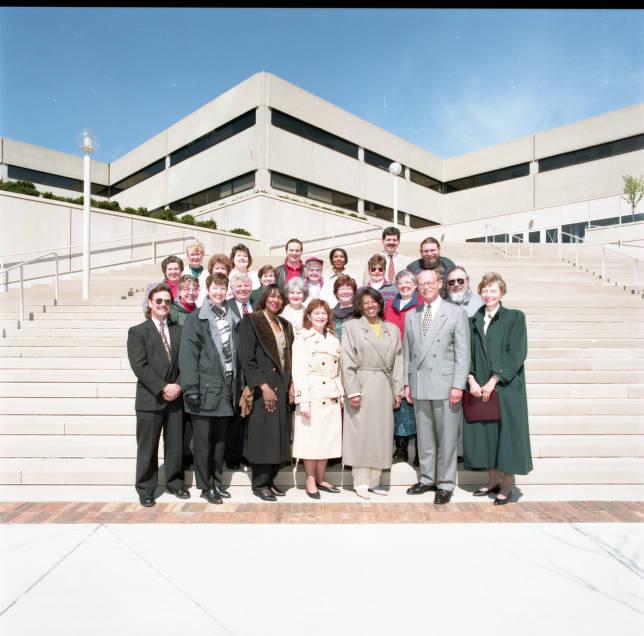
First meeting of IUPUI Staff Council
The IUPUI Staff Council, the self-governance body for non-academic staff of IUPUI, meets for the first time on August 8, 1979. The body originated from efforts begun in 1974 by the Advisory Committee to the IUPUI Faculty Council’s Staff Affairs Committee.
Pictured: Members of IUPUI Staff Council, 1997
Credit: Indiana University Indianapolis
View Source
IUPUI Metros baseball team plays first game as a varsity team
In their first competition as a varsity team, Metros defeat Purdue University-Northwest 23-11 in a game played in Michigan City. The team also wins the second game of the doubleheader.
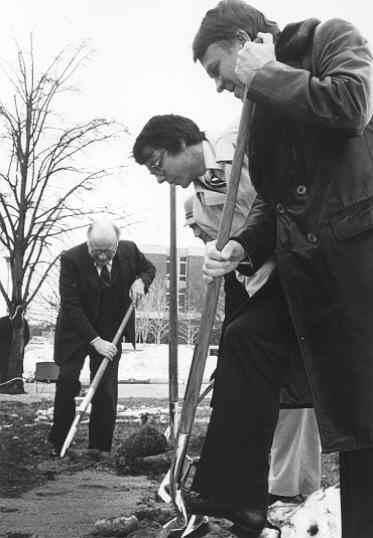
Groundbreaking event for Education/Social Work building and Natatorium building
University and city grandees break ground for a new building to house the School of Education and the School of Social Work. Construction also begins for the Natatorium across New York Street.
Pictured: Education/Social Work building groundbreaking, 1980
Credit: Indiana University Indianapolis
View Source
First annual Noche Latina is held at IUPUI
The event celebrates all things Latino/Latina and is aimed at presenting the richness of Hispanic culture.
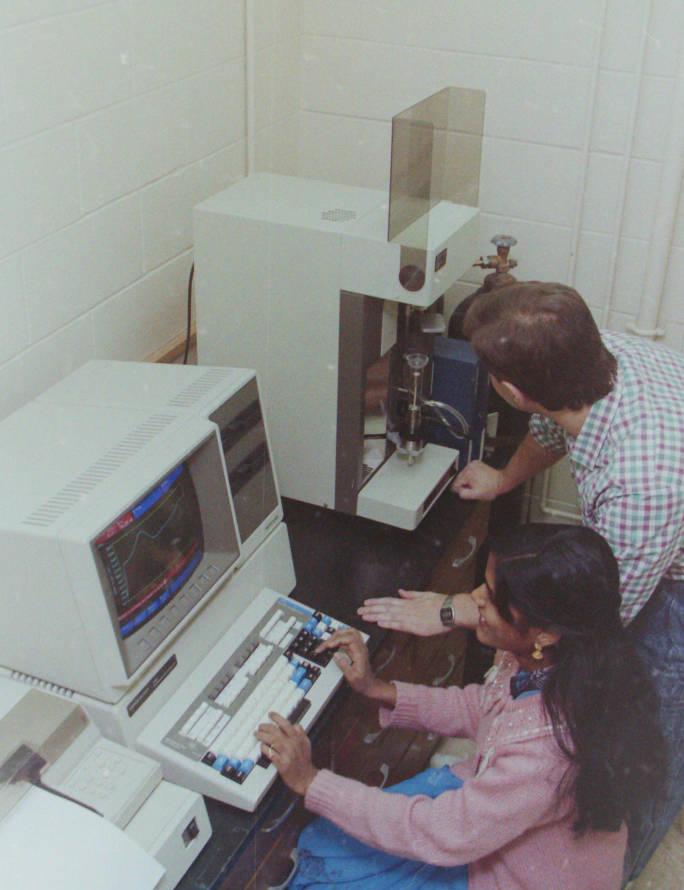
First non-health PhD program for IUPUI is approved by ICHE
The Indiana Commission for Higher Education approves a PhD program in rehabilitation psychology in the Department of Psychology in IUPUI’s Purdue School of Science, overcoming resistance from West Lafayette and Bloomington.
Pictured: Research in School of Science, 1989
Credit: Indiana University Indianapolis
View Source
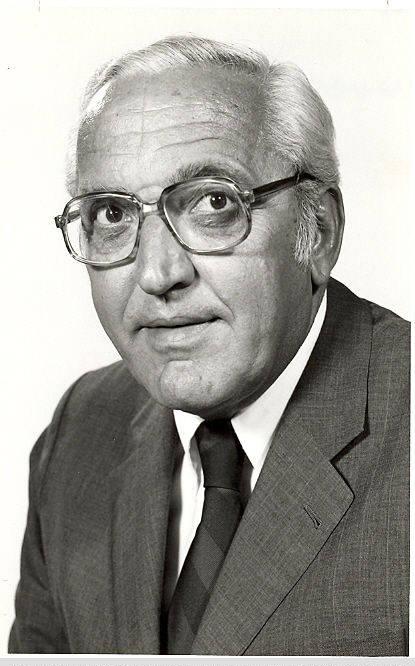
Howard G. Schaller is appointed executive dean and dean of the faculties
Howard G. Schaller, executive associate dean of the IU School of Business, notes shortly after taking the job in Indianapolis that IUPUI is a unique institution. It is the “most complete campus in the state,” he said.
Pictured: Dr. Howard G. Schaller, n.d.
Credit: Indiana University Indianapolis
View Source
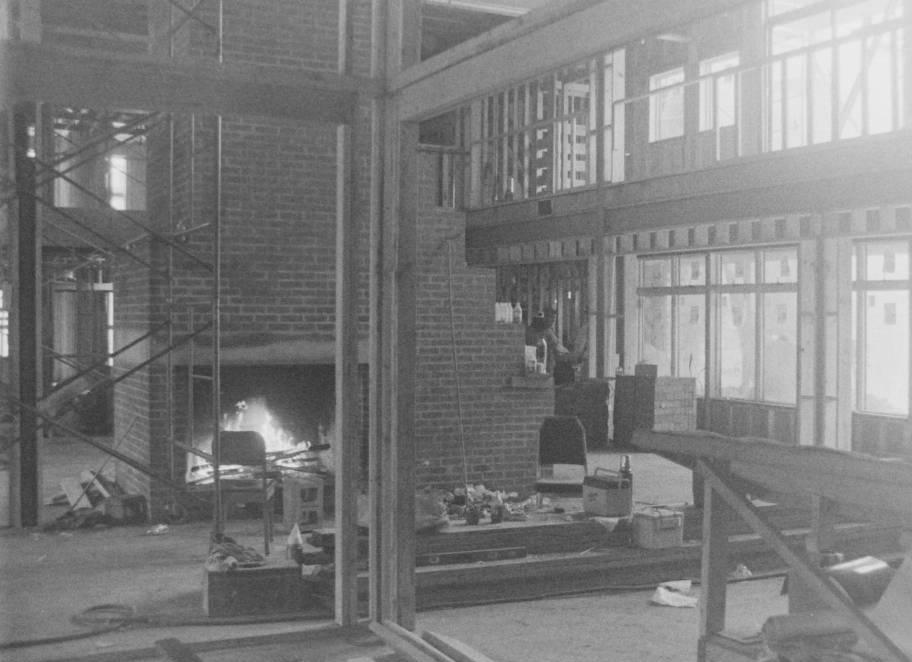
The Ronald McDonald House is opened
The Ronald McDonald House provides a home-away-from-home for families of children receiving care at Riley Hospital for Children.
Pictured: Construction of Ronald McDonald House, 1982
Credit: Indiana University Indianapolis
View Source
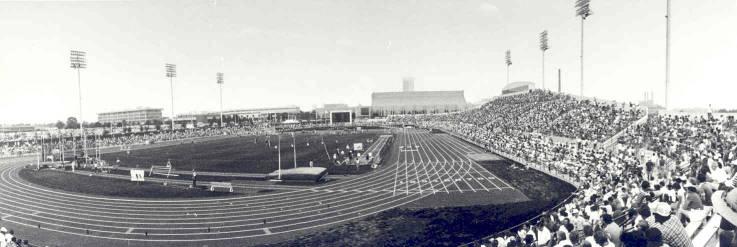
IUPUI hosts the National Sports Festival
The National Sports Festival commences on the IUPUI campus. During eight days of competition, July 23-31, the festival draws an unprecedented crowd of 250,000 spectators to watch more than 2,600 U.S. athletes competing in 33 sports.
Pictured: Track and Field Stadium, July 1982
Credit: Indiana University Indianapolis
View Source
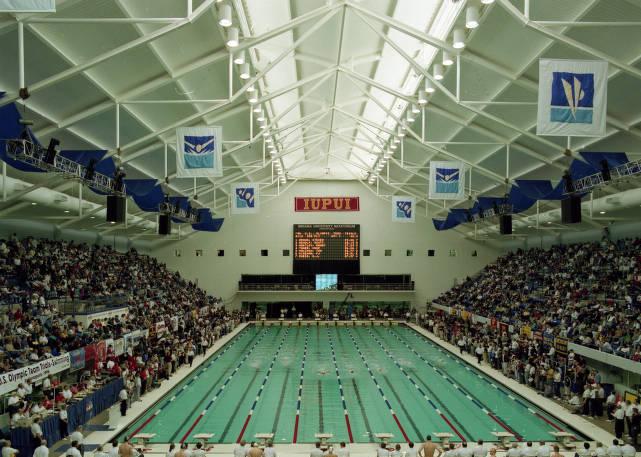
First world record set at Natatorium
Just weeks after the Indiana University Natatorium is completed, swimmer Stephen K. Lundquist sets a world record time in the Men’s 100-meter breaststroke.
Pictured: Olympic swim trials at Natatorium, 1996
Credit: Indiana University Indianapolis
View Source
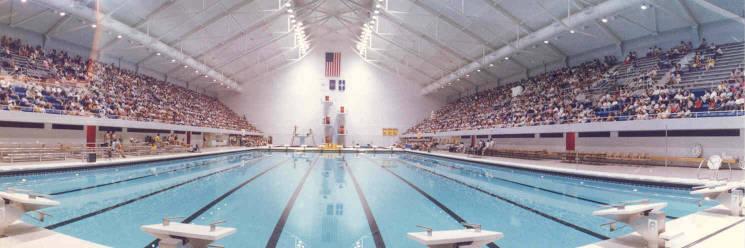
IUPUI dedicates the Natatorium, the Track and Field Stadium, and the School of Physical Education.
The summer of 1982 sees the completion of the track stadium (now called Michael A. Carroll Stadium) and the Natatorium shortly in advance of the National Sports Festival IV (July 23–31, 1982).
Pictured: Natatorium interior, 1982
Credit: Indiana University Indianapolis
View Source
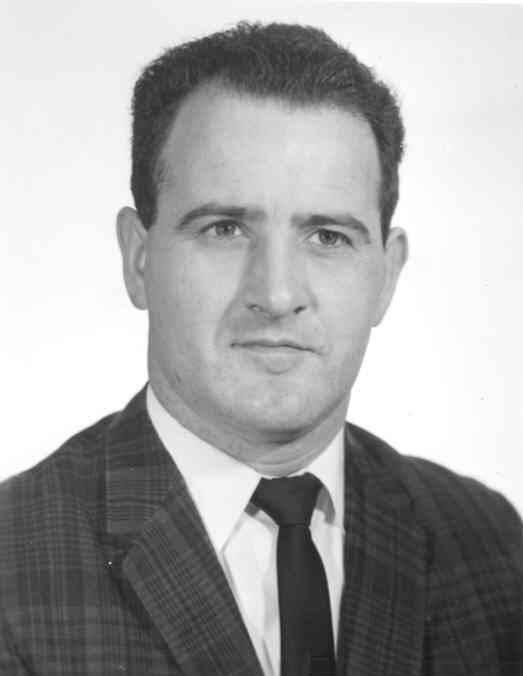
IU School of Medicine geneticist discovers Huntington’s Disease markers
Internationally known geneticist, P. Michael Conneally, distinguished professor emeritus at the IU School of Medicine, discovers the genetic markers for Huntington’s Disease.
Pictured: Patrick M. Conneally, n.d.
Credit: Indiana University Indianapolis View Source
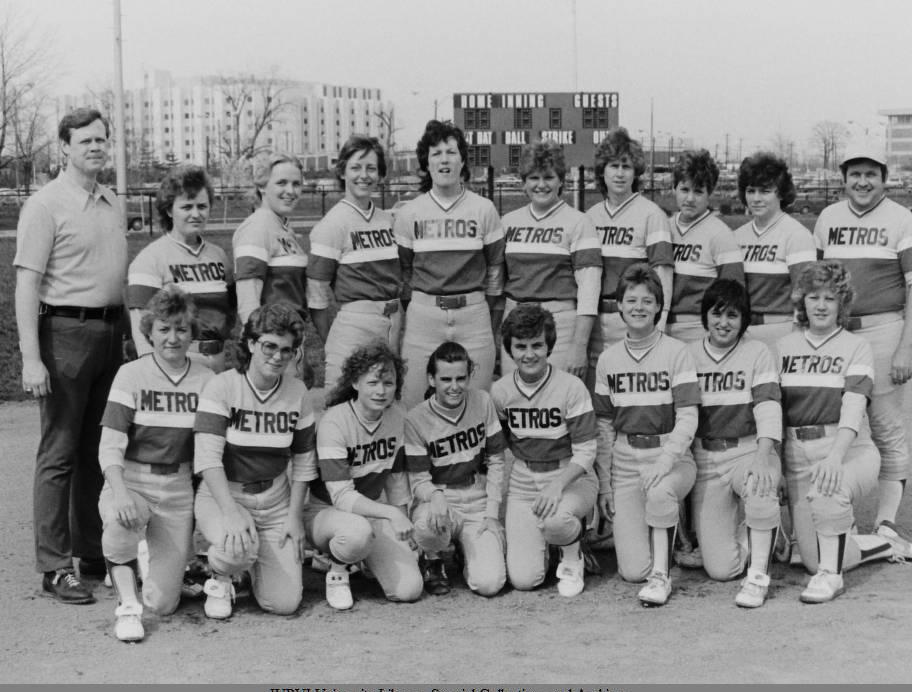
IUPUI softball team wins NAIA District 21 championship
IUPUI hosts and wins the NAIA District 21 championship tournament. The team goes to the NAIA National Tournament for the first time, the first IUPUI team to advance to a national tournament. The Metros place fifth.
Pictured: Metros softball team, 1983
Credit: Indiana University Indianapolis
View Source
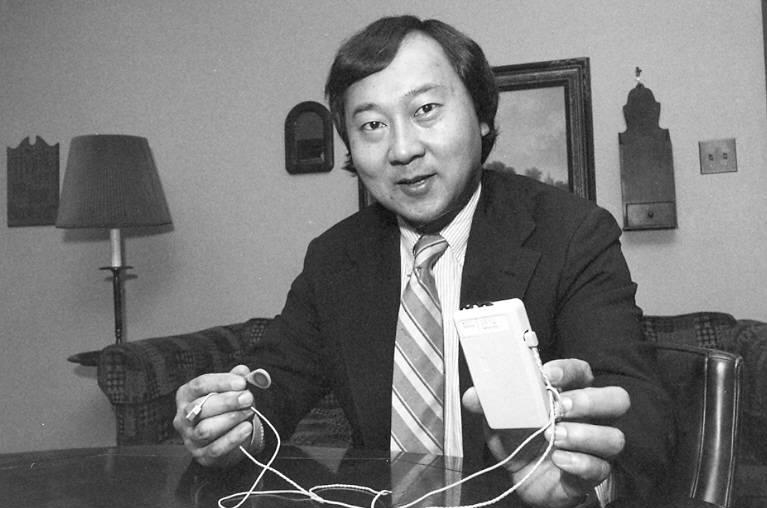
First cochlear implant surgery at Riley Hospital
Dr. Richard Miyamoto pioneers cochlear implantation soon after he comes to Riley Hospital for Children in 1978. Trixie Taylor was the first recipient of a cochlear implant at Riley.
Pictured: Dr. Richard Takashi Miyamoto, n.d.
Credit: Indiana University Indianapolis
View Source
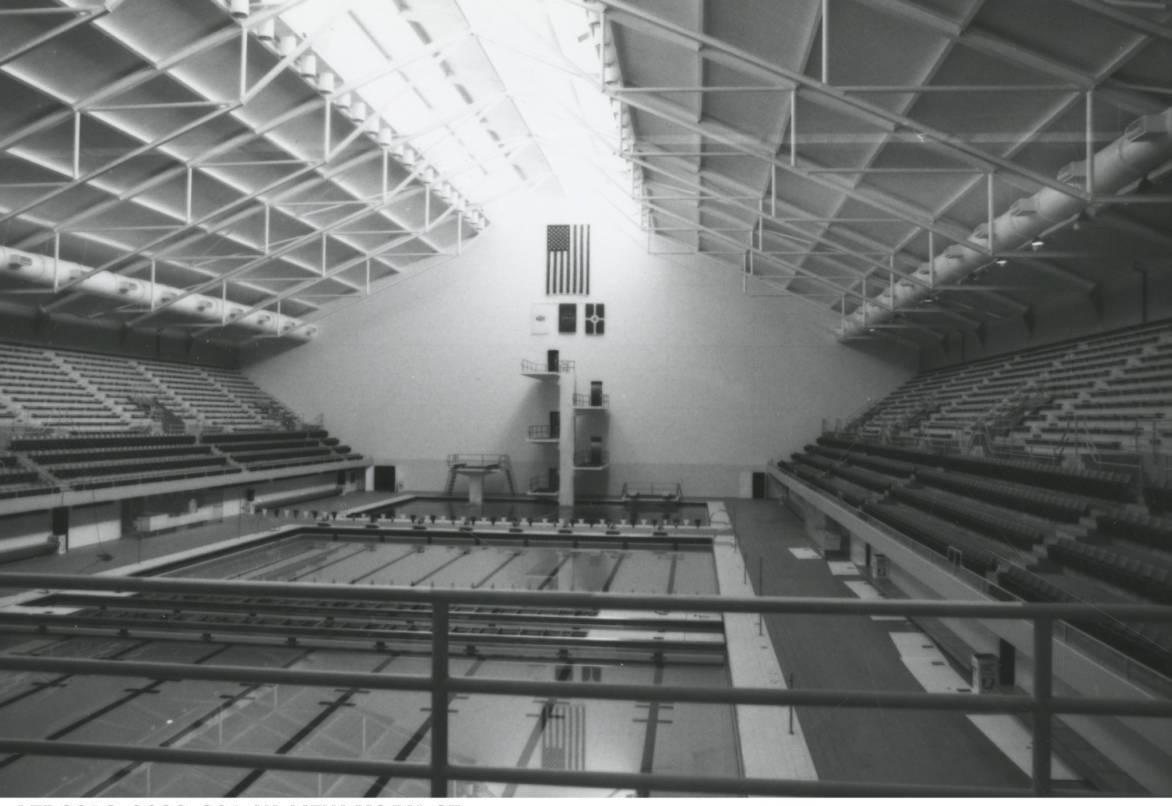
IU Natatorium hosts the Olympic diving trials
The natatorium hosts the Olympic Trials in diving from July 4th through July 8th. It is the city’s first time to serve as host. Qualifications return in 1988 and 1992.
Pictured: IU natatorium, n.d.
Credit: City of Indianapolis, Department of Metropolitan Development
View Source
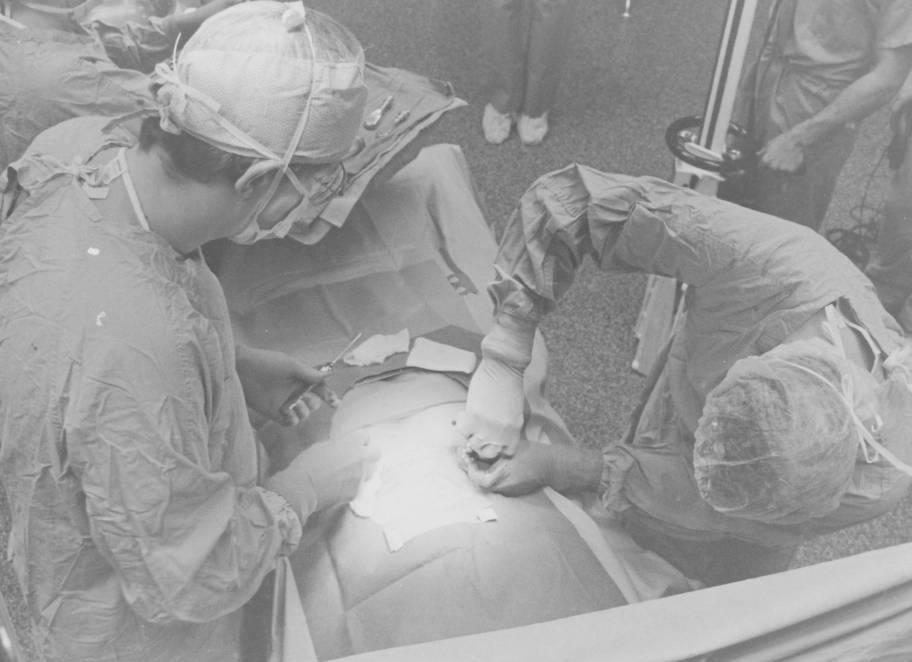
Indiana’s first bone marrow transplant program opens at Riley Hospital for Children
Dr. Jan Jansen performs the first marrow transplant at Riley. The program also treats adults and later moves to University Hospital.
Pictured: Dr. Jan Jansen performs a bone marrow transplant, 1985
Credit: Indiana University Indianapolis
View Source
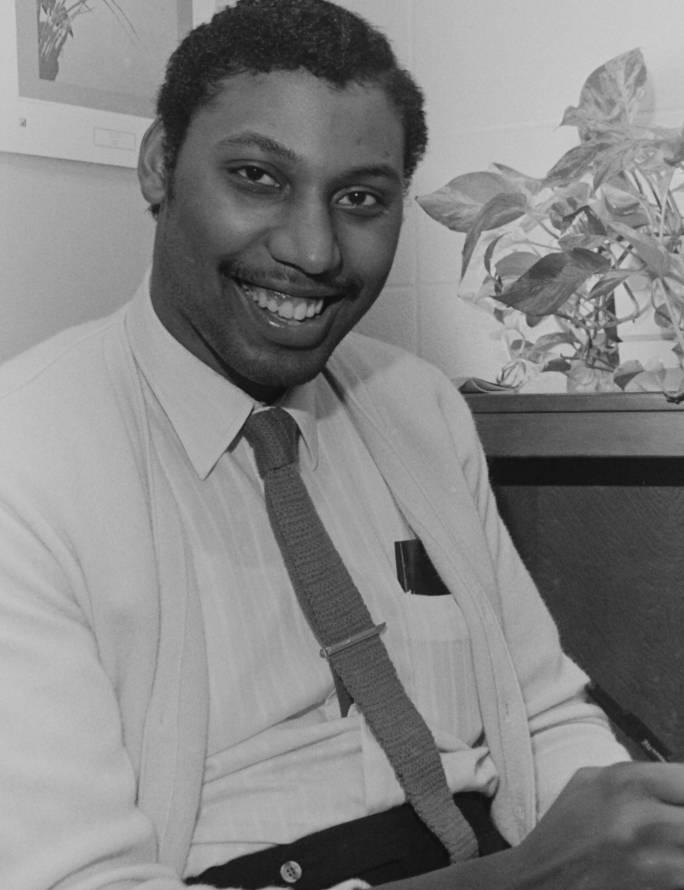
The Office of Minority Affairs opens
The Office of Minority Affairs opens during the fall semester, directed by former IU-Bloomington basketball player Landon M. Turner. The office is “aimed at linking the administration with minorities.”
Pictured: Landon Turner, 1985
Credit: Indiana University Indianapolis
View Source
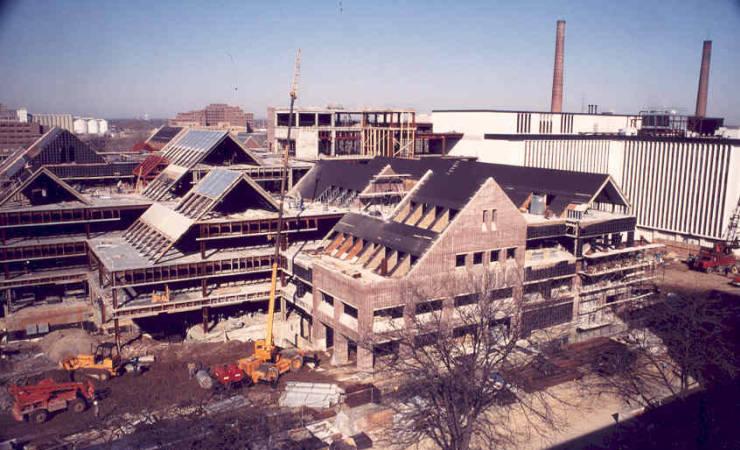
Indiana’s first trauma center designed for children opens at Riley Hospital for Children
Riley Hospital for Children becomes the first hospital in the country to follow all recommended guidelines for treating trauma in children.
Pictured: Riley Hospital construction, 1985
Credit: Indiana University Indianapolis
View Source
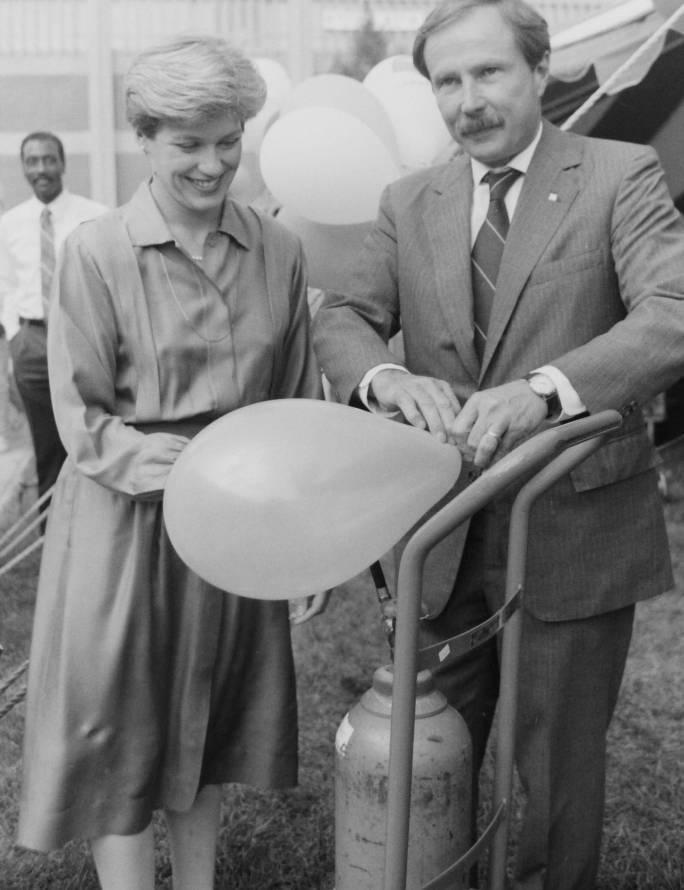
Third Chancellor of IUPUI is appointed
Gerald L. Bepko, JD, becomes chancellor after serving as dean of the Indiana University School of Law-Indianapolis. As chancellor, Bepko works to make IUPUI a model urban university.
Pictured: Dr. Gerald L. Bepko (right) filling balloon at IUPUI Fall Festival, 1989
Credit: Indiana University Indianapolis
View Source
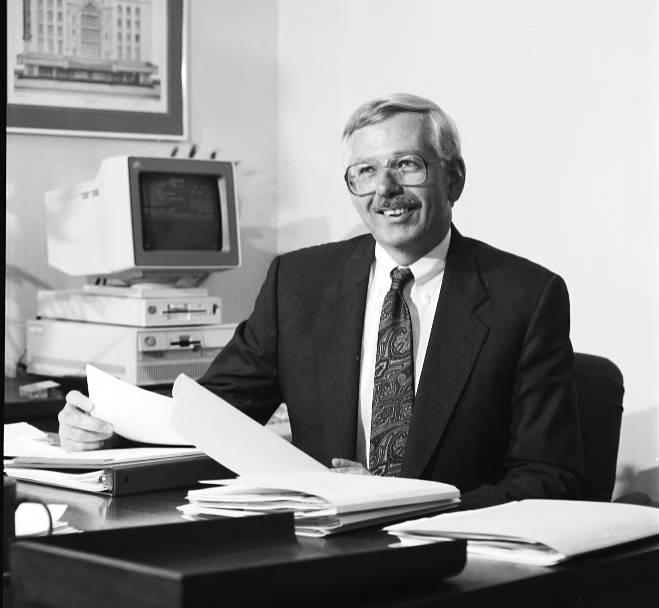
William M. Plater is appointed dean of the faculties
William M. Plater, previously dean of the IUPUI School of Liberal Arts, works closely with IUPUI chancellor Gerald L. Bepko to continue the rapid development of the campus’s academic programs.
Pictured: Dr. William M. Plater, 1990
Credit: Indiana University Indianapolis
View Source
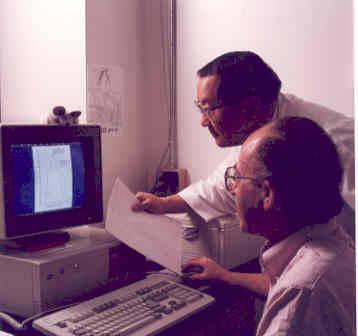
School of Medicine receives $5 million to establish the IU Alcohol Research Center
Dr. T.K. Li wins a grant to fund the Alcohol Research Center, the first of its kind in the United States. The Center researches genetic and psycho-social aspects of alcoholism.
Pictured: Dr. T.K. Li (top), n.d.
Credit: Indiana University Indianapolis
View Source
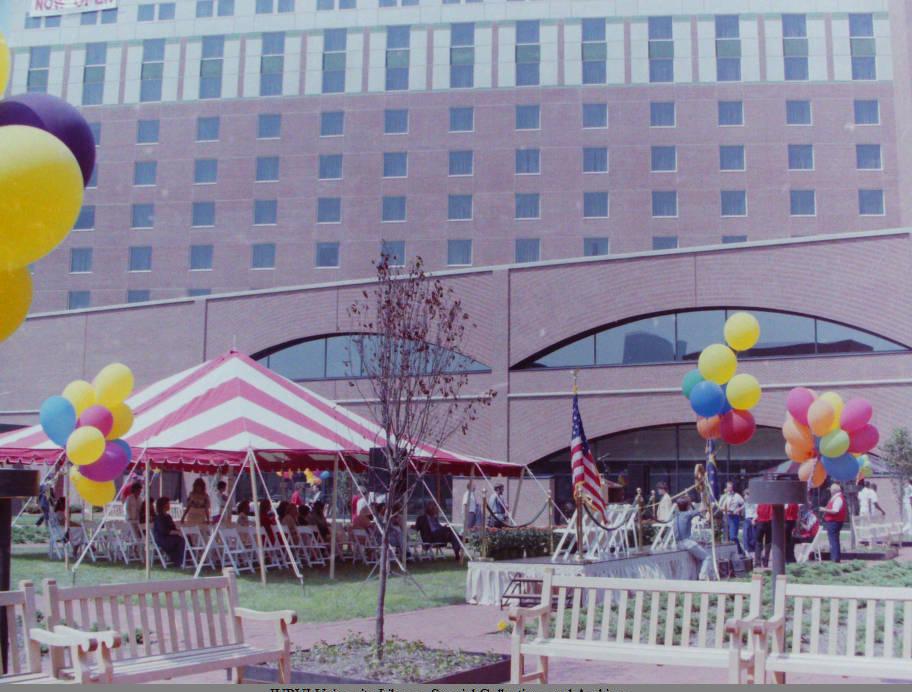
University Place Conference Center opens
Completed at a cost of $12 million, University Place Conference Center and Hotel serves visitors to IUPUI and Indianapolis until it is converted to student housing and teaching space in 2013. It is originally called the Lincoln Hotel.
Pictured: Opening of Lincoln Hotel, 1987
Credit: Indiana University Indianapolis
View Source
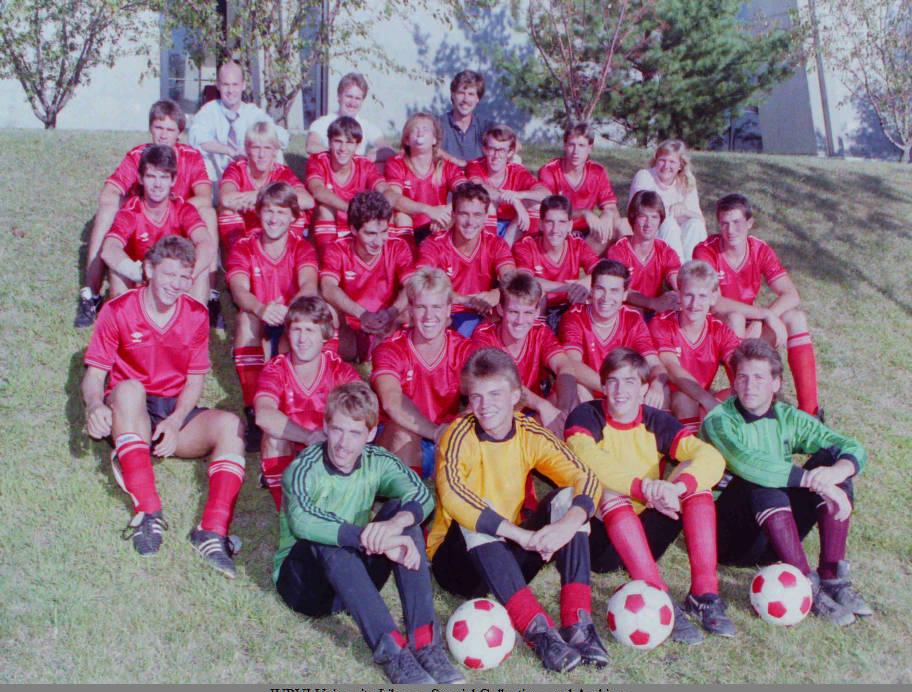
Men’s Soccer team is established
The team goes on to advance to the NAIA Division 21 Playoffs in 1988, 1989, 1990, and 1993.
Pictured: Men’s soccer team, 1987
Credit: Indiana University Indianapolis
View Source
Grant is announced to support Center on Philanthropy
With a $4-million grant, the Lilly Endowment, Inc., launches the development of the center, which would study philanthropy’s role in society and train students to work in non-profit organizations.
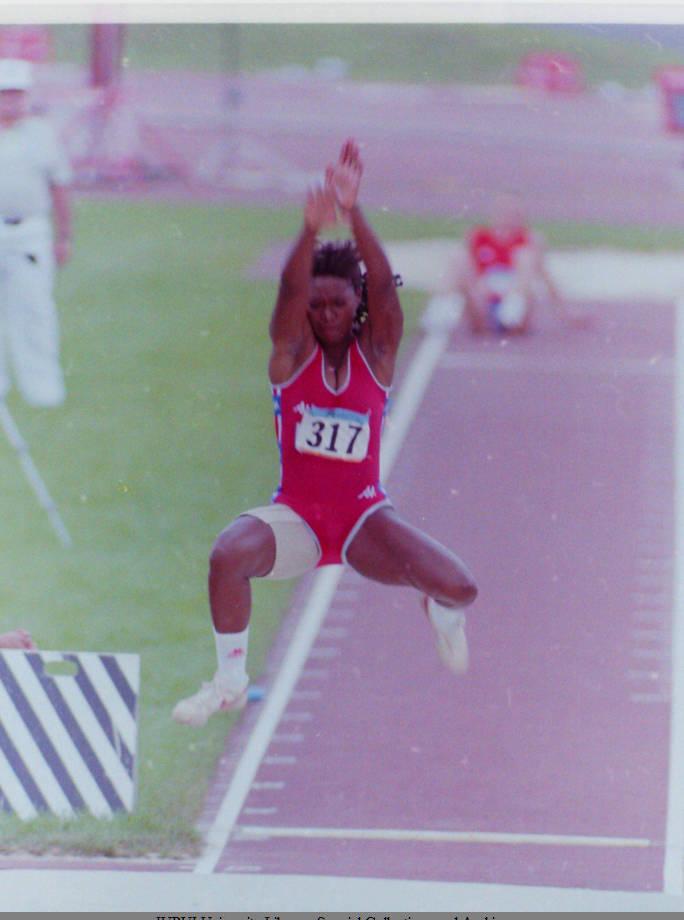
IUPUI hosts Pan American Games
On August 9, 1987, the Pan-American Games, a major international competition, commences on the IUPUI campus. The Games continue through August 23.
Pictured: Competitor in long jump, 1987
Credit: Indiana University Indianapolis
View Source
IUPUI Development Plan, 1988–2000
The IUPUI Development Plan: 1988–2000 is a significant document that lays out the direction that IUPUI chancellor Gerald L. Bepko and executive vice chancellor/dean of the faculties William M. Plater wishes to take.
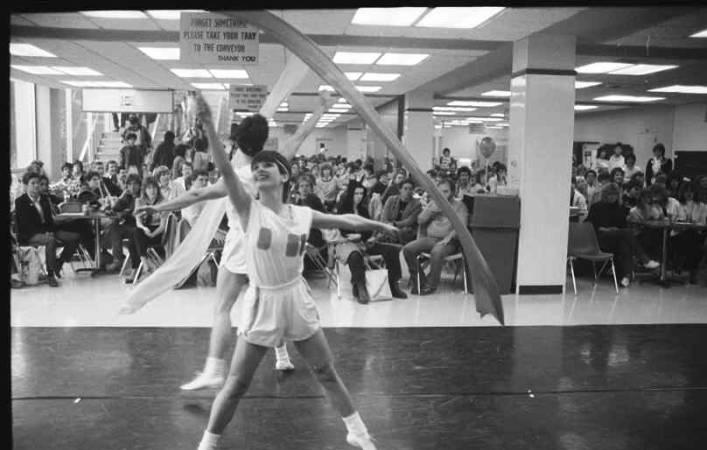
Hideaway cafe closes
The popular campus resort was located in the Blake Street Library and served burgers, snacks, coffee, and pop. It also served as a venue for cultural events.
Pictured: Dancers in Hideaway, 1983
Credit: Indiana University Indianapolis
View Source
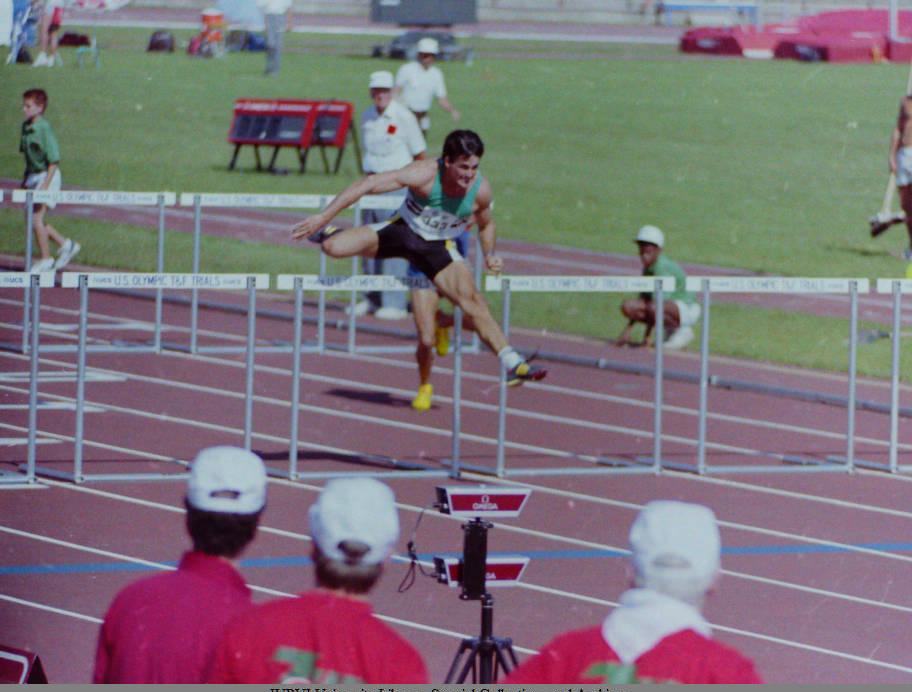
IUPUI Hosts US Olympic Track and Field Trials
From July 15 through July 23, the Track Stadium hosts competitions to build the United States Olympic Team to compete later that summer. Many notable athletic performances occur.
Pictured: Olympic trials at Track Stadium, 1988
Credit: Indiana University Indianapolis
View Source
Florence Griffith Joyner breaks the women’s 100m world record in IUPUI Track Stadium
Her time of 10.49 seconds occurs in a heat for the United States Olympic track and field trials held in the Michael Carroll Track and Field Stadium. Some believe her effort is wind-aided.
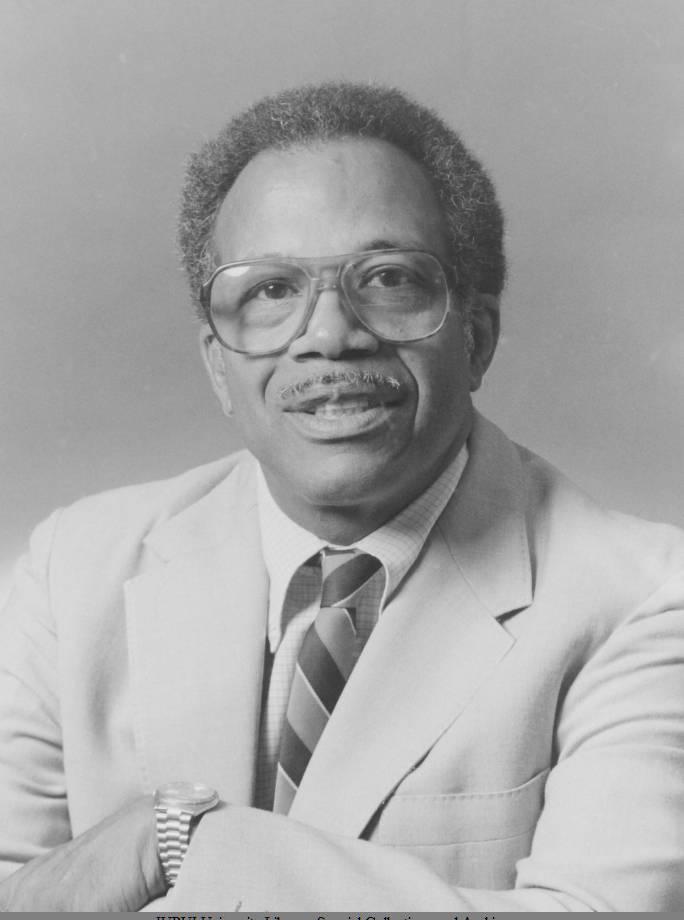
Minority Achievement Scholarship Program is established
IUPUI, under the leadership of Norman Brown, assistant director of the Office of Admissions, establishes the program to increase opportunities for academically talented African Americans, Hispanic Americans, and Native Americans.
Pictured: Norm Brown, 1989
Credit: Indiana University Indianapolis
View Source
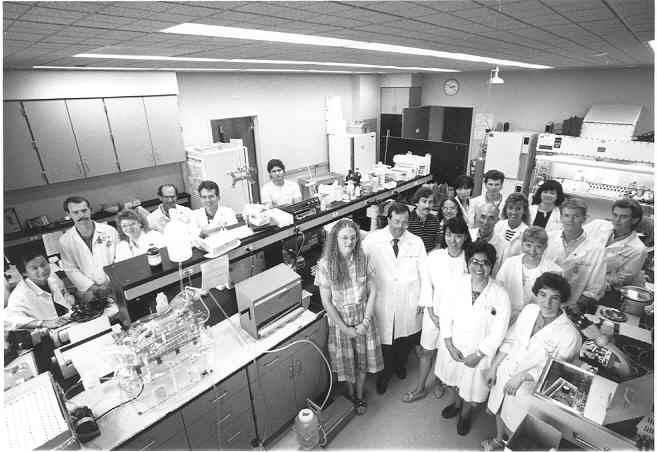
Hal Broxmeyer develops cord blood stem cells for transplant
Broxmeyer prepares the first successful umbilical cord blood transplant in Paris, France. Umbilical cord blood transplants have since saved thousands of lives and are useful in treating many diseases, including forms of leukemia and lymphomas.
Pictured: Hal E. Broxmeyer’s Pediatric Hematology Lab Staff, n.d.
Credit: Indiana University Indianapolis
View Source
Founding of The Polis Center
The Center links academic and practical expertise to benefit Indianapolis and Indiana. Two of its products have been the SAVI online tool and The Encyclopedia of Indianapolis.
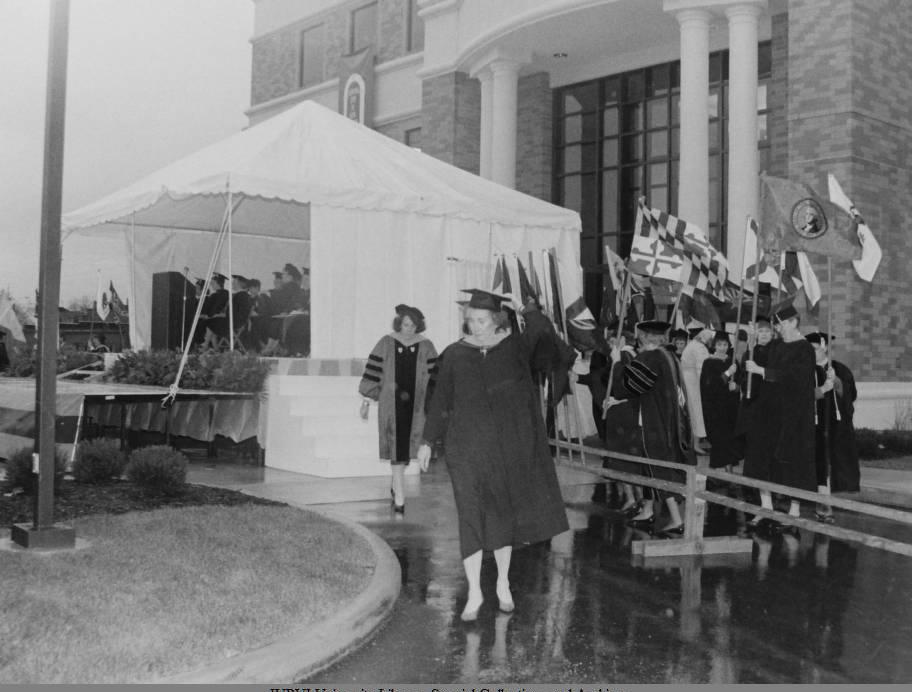
Headquarters for Sigma Theta Tau International Honor Society for Nursing is opened
Six nurses from the IU School of Nursing established the organization in 1922 with the aim to foster nursing education and scholarship, the first for the nursing profession. By 1989, it has a worldwide membership.
Pictured: Sigma Theta Tau building dedication, 1989
Credit: Indiana University Indianapolis
View Source
First Chancellor’s Honors Convocation is held
Chancellor Gerald L. Bepko desires to break down silos between campus schools by bringing together students, staff, and faculty from all IUPUI schools.
School of Medicine begins partnership with Moi University in Eldoret, Kenya
The IU School of Medicine initiates a partnership with Moi University after Doctors Bob Einterz, Joe Mamlin, Charlie Kelley, and Dave Van Reken set out on an international tour in 1988. The venture later becomes the important AMPATH effort.
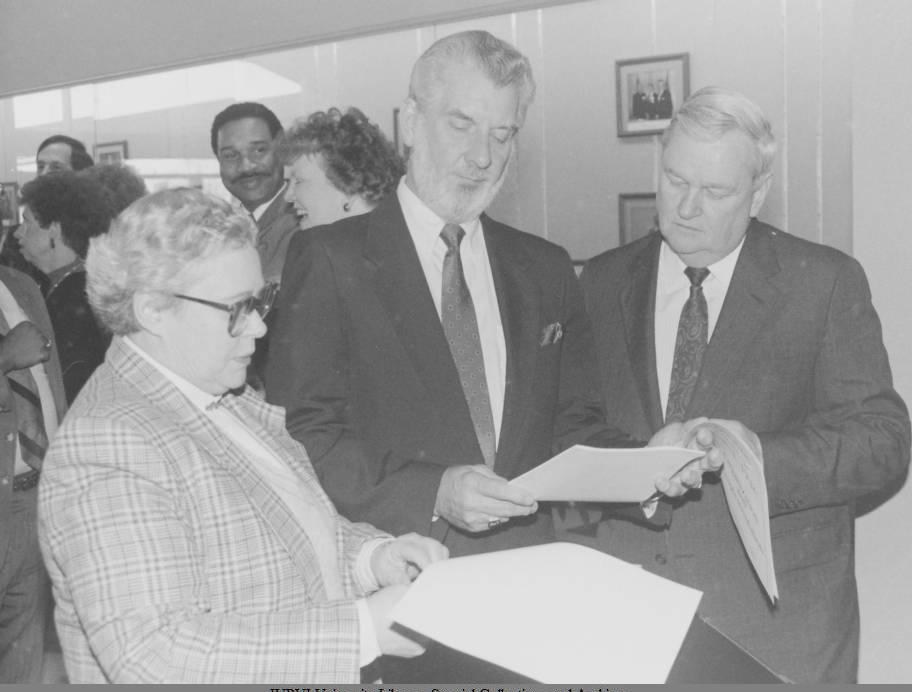
IUPUI and Ivy Tech sign an agreement to coordinate admissions and registration
IUPUI and Indiana Vocational and Technical College leaders agree to work together to assist students to progress through their post-secondary education.
Pictured: IUPUI/Ivy Tech agreement signing, 1990
Credit: Indiana University Indianapolis
View Source
School of Medicine dedicates Herman B. Wells Center for Pediatric Research
The new $4.5 million center in the Riley Hospital for Children increases research capacity in the hospital by affording more space for researchers.
Bowen Research Center is announced
The Bowen Research Center focuses on the role of the primary care physician in health care. The center is named after School of Medicine alumnus Governor Dr. Otis R. Bowen, MD.
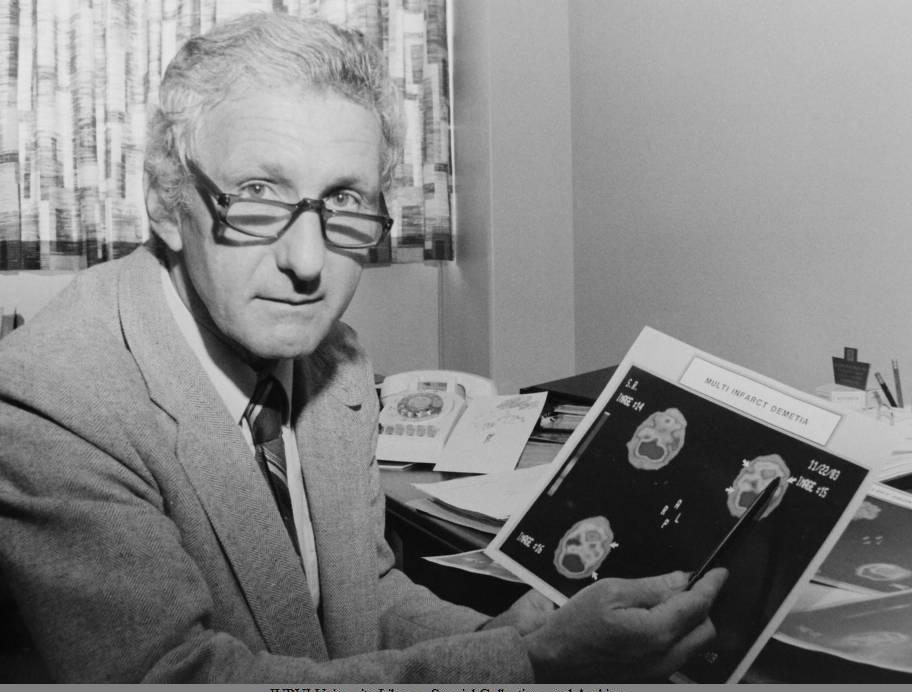
Creation of the Alzheimer’s Disease Center in the School of Medicine
The center has been successful in research and diagnosis of this terrible disease. Dr. Hugh Hendrie takes the lead in the development of the Alzheimer’s research program at the Indiana University School of Medicine starting in 1987.
Pictured: Hugh C. Hendrie, 1986
Credit: Indiana University Indianapolis
View Source
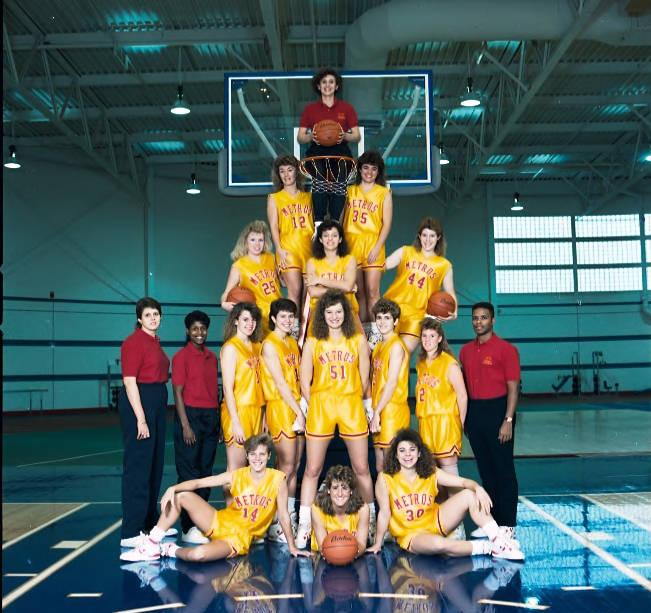
Women’s basketball team reaches NAIA final four in national tournament
After clinching the District 21 champion, the Metros advance to the NAIA National Tournament. The IUPUI women defeat ranked teams to reach the Final Four, where they lose to Southwest Oklahoma University. Overall, the team racks up a 20-12 record.
Pictured: 1990-1991 IUPUI women’s basketball team, 1990
Credit: Indiana University Indianapolis
View Source
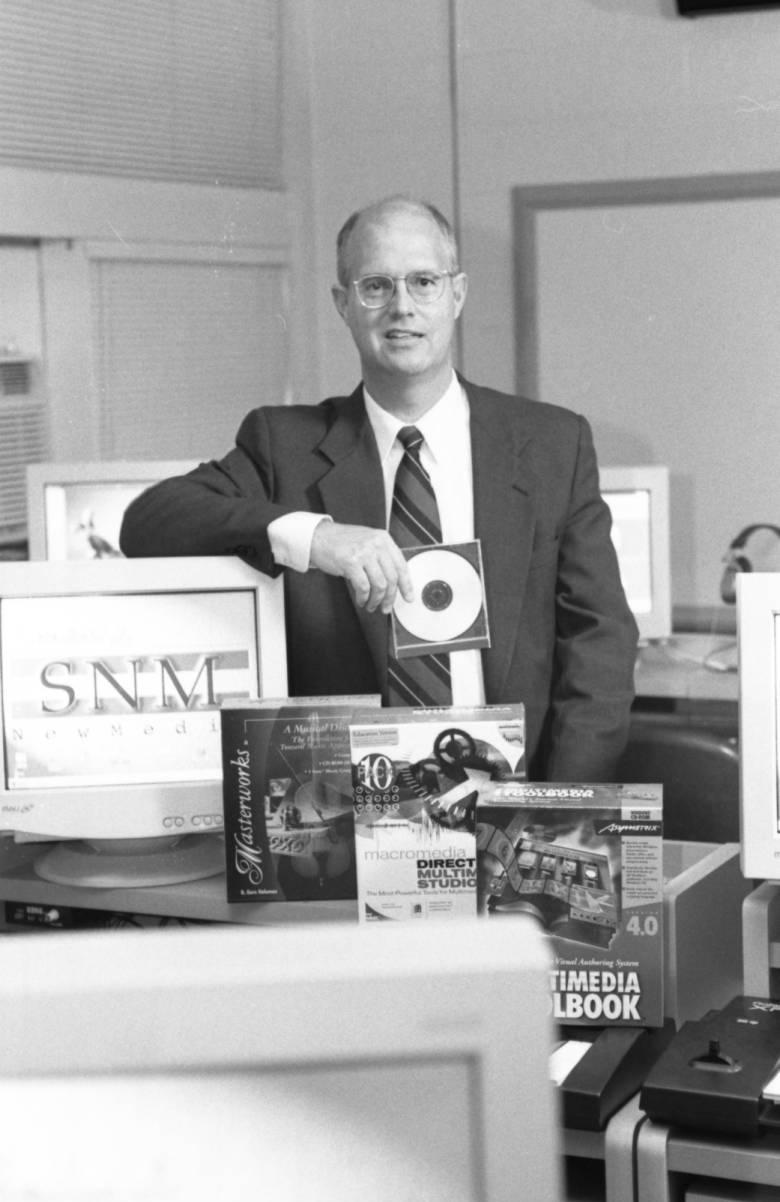
IUPUI opens state-of-the-art computer music laboratory
The new computer music laboratory is a joint effort of the Indiana University School of Music at IUPUI and campus computing services, allowing students to compose and perform music employing a wide range of computer equipment and software.
Pictured: Darrell L. Bailey, 1998
Credit: Indiana University Indianapolis
View Source
IU School of Nursing Center for Nursing Research is opened
Indiana University School of Nursing celebrates the grand opening of the school’s Center for Nursing Research. The opening is recognition of the significant growth of research and external support for it in the school.
Center for Urban Policy and the Environment opens
Created after significant planning and an $8.5 million grant, the Center aims both to establish IUPUI as a top research school in urban and environmental policy and to enhance the city’s image.
NCAA Division II status is approved
IUPUI leaves the National Association of Intercollegiate Athletics (NAIA) after joining the National Collegiate Athletics Association (NCAA) Division II at the start of the 1992-1993 academic year.
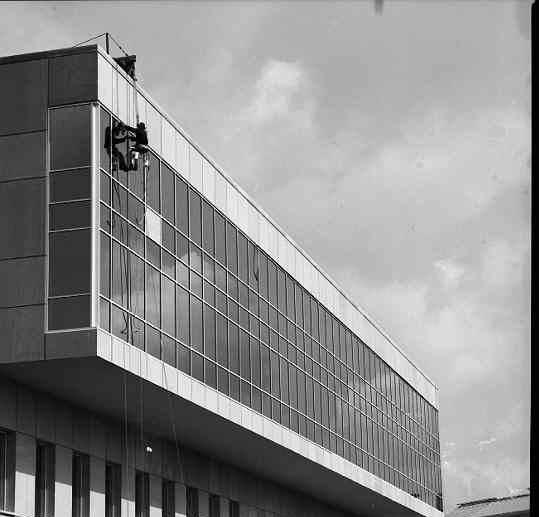
University Library opens
The new University Library is a cornerstone of the 1988 campus Development Plan to boost teaching and research. The formal dedication occurs in 1994.
Pictured: University Library under construction, 1993
Credit: Indiana University Indianapolis
View Source
Men’s golf is reintroduced
Baseball replaced golf as a varsity sport in 1979. Men’s golf is reintroduced to he intercollegiate lineup for the 1994-95 school year.
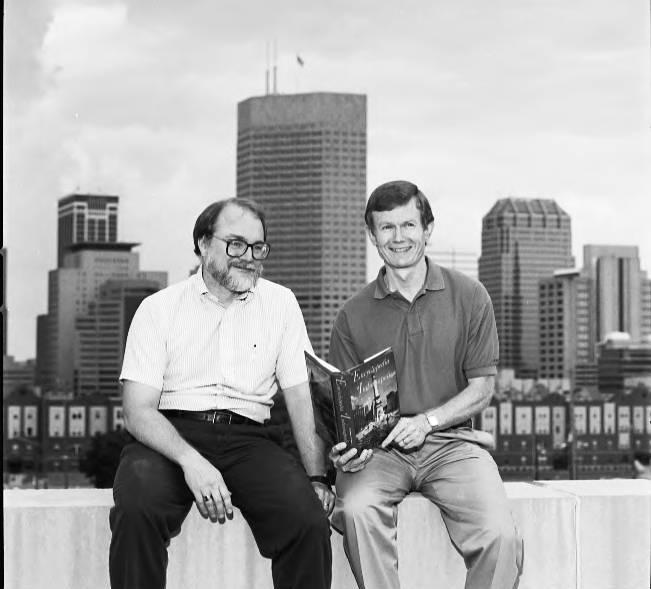
Encyclopedia of Indianapolis is published
The Encyclopedia of Indianapolis is the inaugural project of the Polis Center, which was established in the School of Liberal Arts in 1989. The completed volume is IUPUI’s gift to the city and becomes the standard reference work on the city.
Pictured: Robert G. Barrows (left) and David J. Bodenhamer, editors of the encyclopedia, 1994
Credit: Indiana University Indianapolis
View Source
National Art Museum of Sport opens in University Place Conference Center
Founded in 1959, the not-for-profit organization exhibits works in Indianapolis during the Pan-American Games. With Lilly Endowment, Inc. grant funds, it opens in the Conference Center.
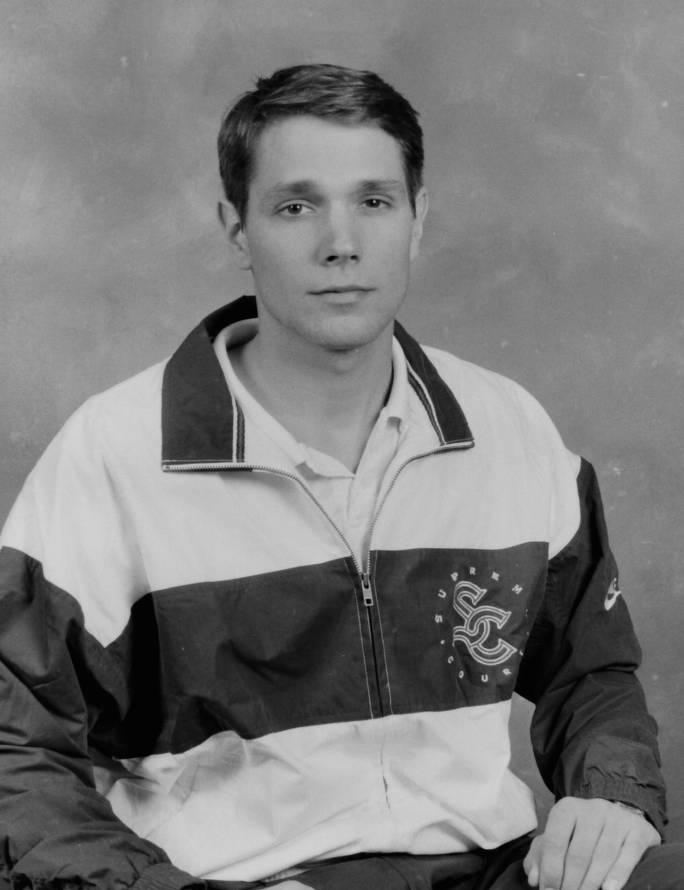
Men’s tennis team wins NAIA independent regional title
The Metros win the National Association of Intercollegiate Athletics (NAIA) independent regional tournament. The team compiles an 8-1 season record. Coach Rick Witsken wins the NAIA coach of the year award.
Pictured: Rick Witsken, men’s tennis coach, 1994
Credit: Indiana University Indianapolis
View Source
The Office for Women is created to improve the campus environment for women
Based on the report of the Task Force on the Status of Women, campus leaders establish the office to foster work and learning environments where diversity is valued and all can thrive.
IU School of Medicine establishes the Ryan White Center for Pediatric Infectious Disease and Global Health
Ryan White, the first child to speak out about HIV infection, was a patient of Dr. Marty Kleiman, a pediatrician in the School of Medicine and at Riley Hospital for Children. He died in 1990, but his willingness to bring awareness of HIV to the public led to enhanced education and substantial progress in HIV research and care.
Men’s and women’s cross country started
The men’s cross country team goes on to become recognized by the United States Cross Country Coaches Association as Academic All-American multiple times. The women’s team earns the same honor from the Women’s Intercollegiate Cross Country Coaches Association multiple times.
Clarian Health integrates operations of Riley, Indiana University hospitals and Methodist Hospital
Indiana University’s decision to turn over healthcare management services to Clarian Health allows the IU School of Medicine to develop further as a first-rate medical education institution and assures the economic viability of Indiana University Hospitals for future generations.
IU Trustees approve IUPUI going NCAA Division I
The IU Board of Trustees vote to approve a proposal for IUPUI intercollegiate athletics to join NCAA Division I. They also approve IUPUI joining the Mid-Continent Conference.
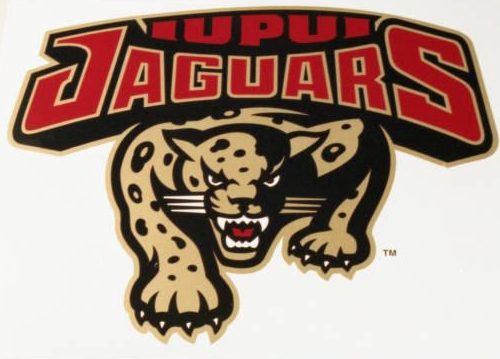
Jaguar is established as IUPUI Mascot
With no official logo or mascot, IUPUI decides it needs a rebrand to go along with the school’s new status of NCAA Division I. The student body votes to go with Jaguars.
Pictured: IUPUI logo and mascot, 1998
Credit: Indiana University Indianapolis
View Source
IUPUI Faculty Council approves PULS
The approval is the culmination of years of innovative faculty work to develop common Principles of Undergraduate Learning to govern undergraduate teaching and learning.
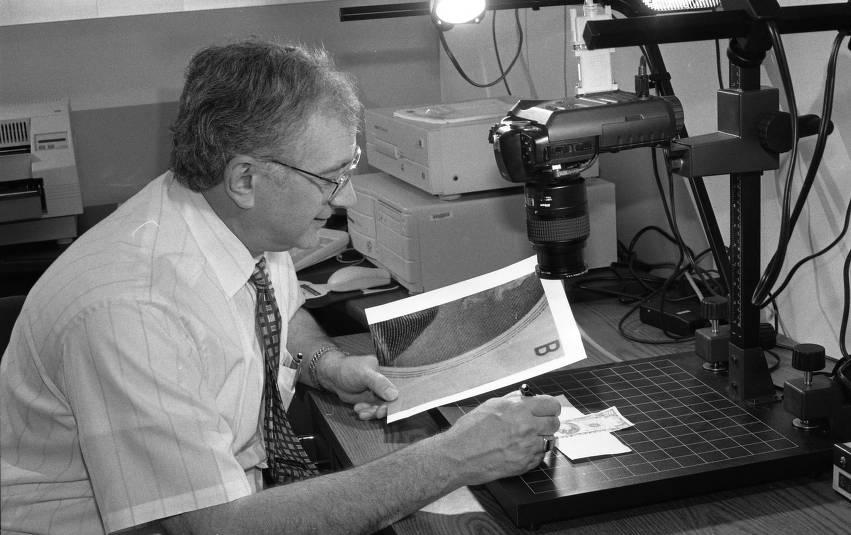
The Encyclopedia of Forensic Sciences is published
Founding director of the IUPUI Forensic and Investigative Sciences Program and leading expert in the field, Dr. Jay A. Siegel serves as editor of the Encyclopedia of Forensic Sciences.
Pictured: Forensics lab, 1996
Credit: Indiana University Indianapolis
View Source
Creation of IUPUI Diversity Cabinet
Chancellor Gerald L. Bepko charges the Cabinet to “increase diversity and improve the climate for diversity [and] to renew and redouble our efforts to enhance diversity.”
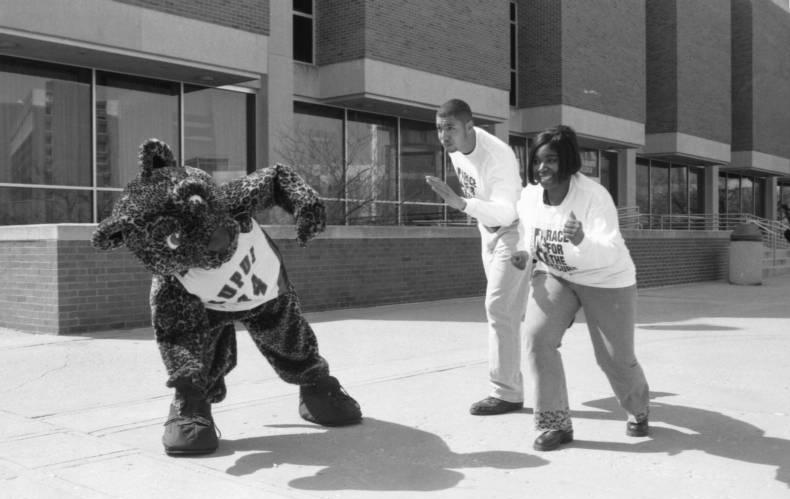
Jinx the Jaguar appears at IUPUI Homecoming
Jinx the Jaguar makes his first appearance at an IUPUI Homecoming. The day features a doubleheader of women’s and men’s basketball games against Valparaiso University teams.
Pictured: Jinx with Race for the Cure participants, 1999
Credit: Indianapolis University Indianapolis
View Source
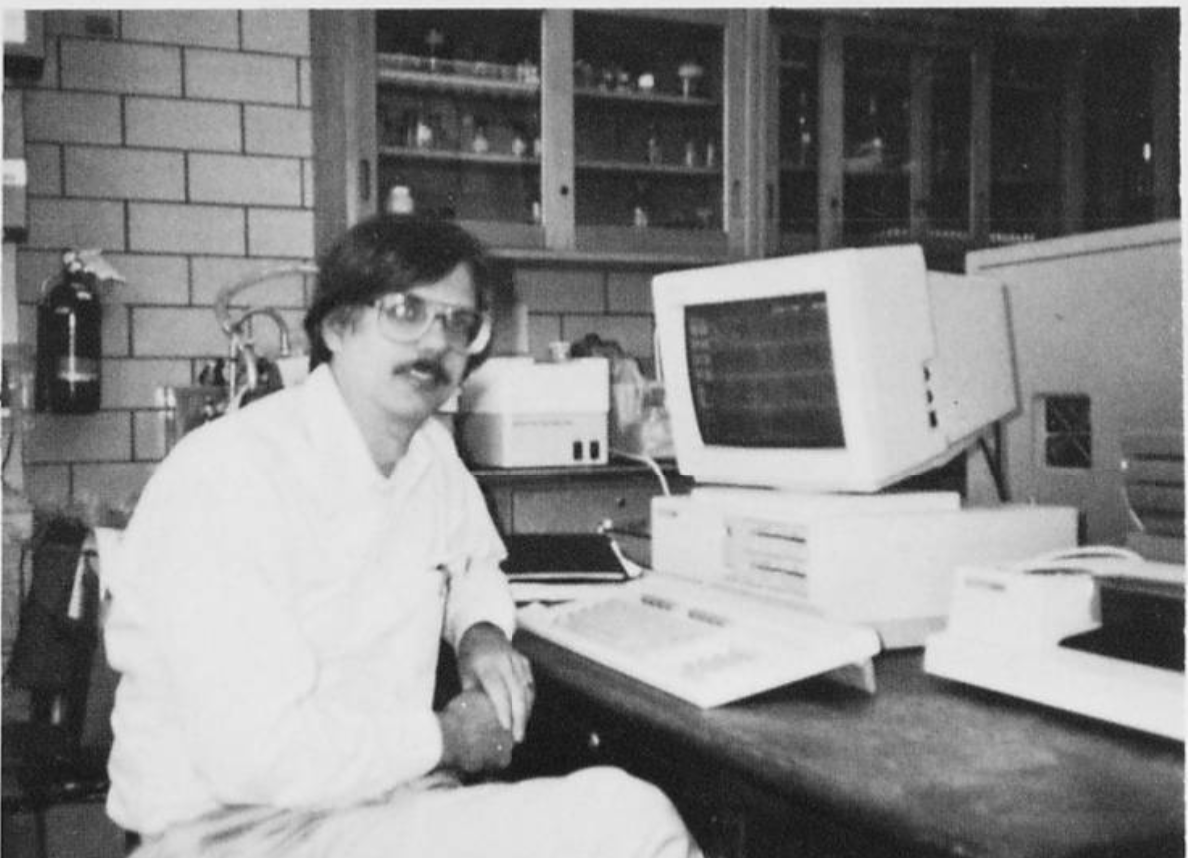
Lilly Endowment, Inc. gives $105-million to create a genomics center at Indiana University School of Medicine
With funding from the Lilly Endowment and the Indiana 21st Century and Technology Fund, Howard J. Edenberg leads the center and makes it a major genomic center, providing a variety of genomics services including DNA/RNA analysis and sequencing.
Pictured: Dr. Howard Edenberg, 1988
Credit: Indiana University Indianapolis
View Source
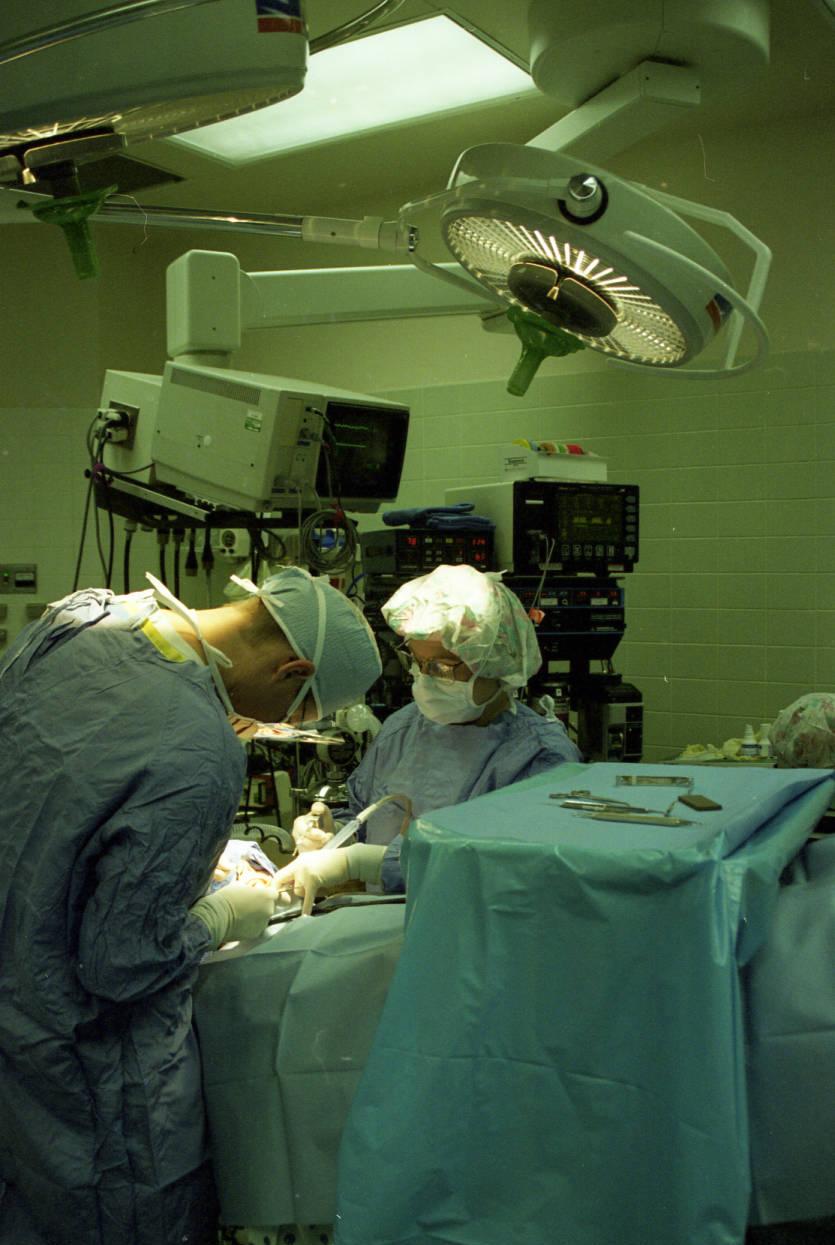
The Indiana University School of Dentistry creates the Division of Community Dentistry
Continuing its long tradition of community service and dental public health, the IU School of Dentistry establishes the Division to increase its community involvement by integrating community health activities into its curriculum.
Pictured: Dental surgery, 1996
Credit: Indiana University Indianapolis
View Source
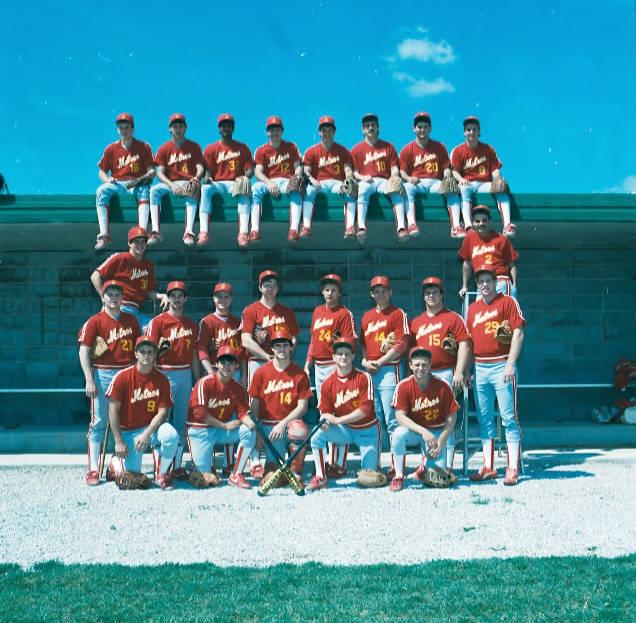
Men’s baseball is discontinued
IUPUI issues a news release announcing that the university is ending its baseball program. The news comes at the end of the baseball team’s season, its third in NCAA Division I competition in the Mid-Continent Conference.
Pictured: IUPUI Metros baseball team, 1987
Credit: Indiana University Indianapolis
View Source
Inaugural Jagathon Dance Marathon
The IUPUI Student Foundation hosts the inaugural Jagathon, part of the Indiana University Dance Marathon, to raise money for Riley Hospital for Children on the IUPUI campus.
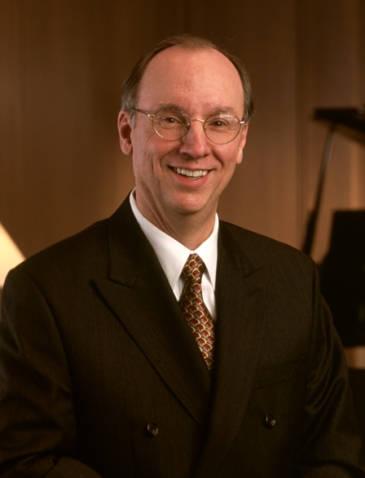
Fourth Chancellor of IUPUI is appointed
During his tenure as chancellor (2003-2015), Bantz advances an ambitious agenda of growth in research, research funding, and academic programs. Many new undergraduate and graduate degree programs arise.
Pictured: Charles R. Bantz, 2003
Credit: Indiana University Indianapolis
View Source
Men’s basketball wins Mid-Continent conference tourney, goes to NCAA Division I tourney
The IUPUI Jaguars advance to the NCAA Division I tournament for the first time. Seeded sixteen in the regional, the Jaguars lose in the first round to top-seeded University of Kentucky Wildcats 95-64 in a game played March 21, 2003.
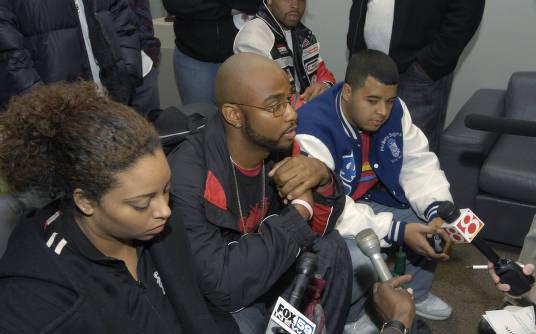
Black Student Union issues call to action to address continuing racism on campus
Leaders of the Black Student Union present to IUPUI officials a list of grievances suffered by African-American students. The document prompts a significant reassessment and actions by campus leadership.
Pictured: IUPUI Black Student Union press conference, 2006
Credit: Indiana University Indianapolis
View Source
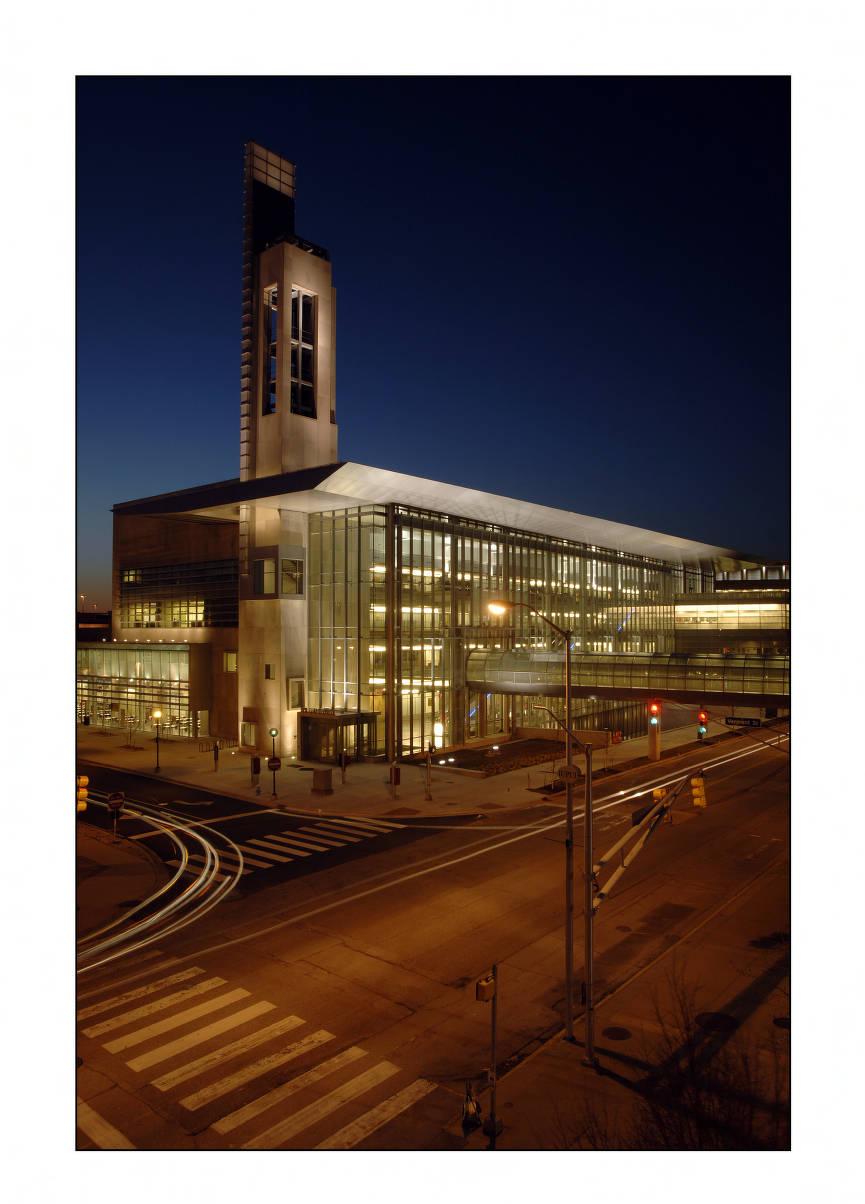
IUPUI Campus Center opens
The Campus Center, the central location linking student and academic life, is decades in the planning and building. Containing offices, dining, entertainment, fitness, and other spaces, students, faculty, and staff flow through its doors.
Pictured: Campus Center, 2008
Credit: Indiana University Indianapolis
View Source
D. Wade Clapp, MD and other researchers announces the first effective treatment for nerve tumors
Clapp of the Department of Pediatrics and colleagues from other medical centers reports that a drug called Gleevec shrank tumors in children with Neurofibromatosis Type 1 (NF1).
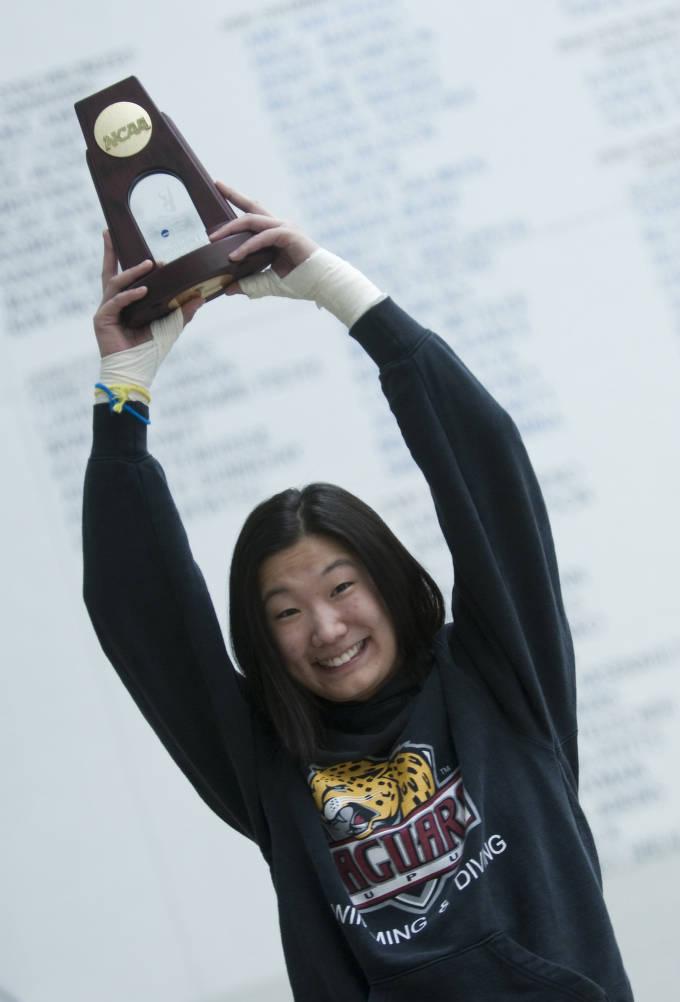
Chen Ni wins NCAA Division I platform diving championship
Ni wins the women’s platform at the NCAA Swimming and Diving Championships, scoring 325.50 in the finals of the platform. She wins again in 2012 with a final round score of 343.05.
Pictured: Chen Ni holding her NCAA champion trophy, 2010
Credit: Indiana University Indianapolis
View Source
The IU Board of Trustees approve new IUPUI Campus Master Plan
The Plan includes the campus’s relationship to IU Health hospitals contiguous to the IUPUI campus as well as the former Wishard Memorial Hospital footprint.
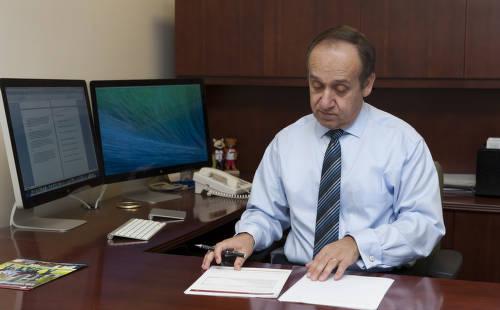
Nasser H. Paydar is appointed executive vice chancellor and chief academic officer
Paydar has long roots at IUPUI, having since 1985 been a member of the mechanical engineering faculty in the School of Engineering and Technology.
Pictured: Nasser Paydar, 2014
Credit: Indiana University Indianapolis
View Source
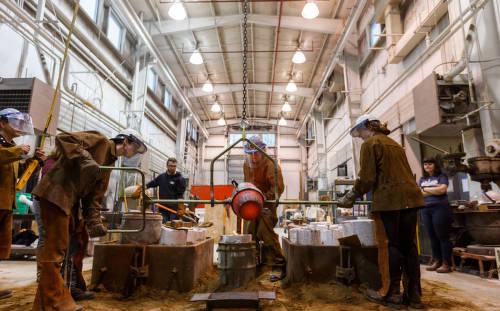
Herron School of Art and Design opens expanded Eskenazi Fine Arts Center
The ribbon-cutting ceremonies officially open the expanded sculpture and ceramics facility, located at 1410 Indiana Avenue. Generous gifts from Sidney and Lois Eskenazi and others funded the $3.2 million construction.
Pictured: Herron faculty and students at work in Eskenazi Fine Arts Center, 2018
Credit: Indiana University Indianapolis
View Source
Student Outreach Clinic wins the Governor’s Service Award for exemplary service learning
The clinic is an IUPUI student-run initiative to provide free medical, dental, and other services to uninsured, underserved, and under-resourced persons in Indianapolis.
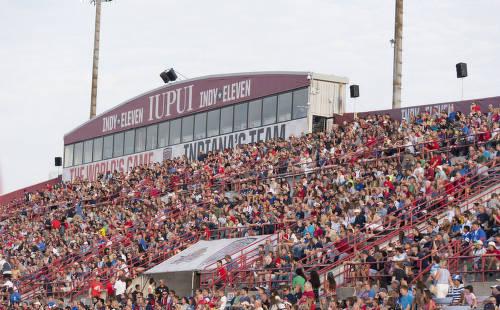
Indy Eleven plays first season in Carroll Stadium
Established in 2013, the Indy Eleven, makes its debut in Carroll Stadium as a member of the North American Soccer League.
Pictured: Carroll Stadium full of fans of Indy Eleven match, 2014
Credit: Indiana University Indianapolis
View Source
Our Commitment to Indiana and Beyond: IUPUI Strategic Plan
IUPUI chancellor Charles Bantz launches a new IUPUI Strategic Plan for the campus. The plan is developed under the overall direction of Nasser Paydar, then executive vice chancellor and chief academic officer of IUPUI.

Kathy Johnson is appointed executive vice chancellor and chief academic officer
Kathy E. Johnson begins as interim executive vice chancellor of IUPUI in August 2015 and receives the permanent appointment in July 2016. Johnson joined the faculty of the Department of Psychology in the School of Science in 1993.
Pictured: Kathy Johnson, 2015
Credit: Indiana University Indianapolis
View Source
Dedication of North Hall
IUPUI dedicates North Hall, the first residence hall built on campus expressly to house students since 1928.
IUPUI Faculty Council approves PLUS
The IUPUI Faculty Council endorses Profiles of Learning for Undergraduate Success, or IUPUI+ (PLUS), which replaces the Principles of Undergraduate Learning (PULs) and the Principles of Co-curricular Learning (PCLs).
IUPUI School of Education gains independence
Indiana University Trustees split IU School of Education in two to afford greater specialization. IUPUI’s School of Education focuses on urban education challenges.
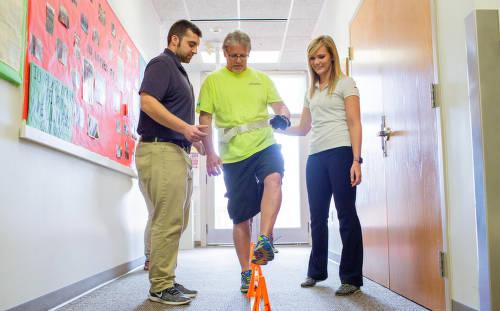
School of Health and Human Sciences is created
The merger of existing IUPUI schools brings together kinesiology, physical therapy, occupational therapy, physician’s assistant departments, and more into the new School of Health and Human Sciences.
Pictured: Physical Therapy and Occupational Therapy students working with patient, 2018
Credit: Indiana University Indianapolis
View Source
IUPUI suspends in-person teaching in response to COVID-19
At the start of the global pandemic, Chancellor Nasser Paydar announces the university’s pivot to online teaching in the middle of the Spring semester to protect the health of students, staff, and faculty.
Innovation Hall opens
The new classroom and laboratory space for Schools of Science, Engineering and Technology, and Informatics and Computing affords teaching, learning, and research opportunities.
IUPUI co-hosts NCAA Division I men’s basketball tournament
Due to the COVID-19 pandemic, the Division I men’s national basketball tournament occurs in Indiana in March. Several first and second-round games take place at IUPUI’s home court in Indiana Farmer’s Coliseum at State Fairgrounds.
University requires all students, staff, and faculty to be vaccinated
With the development of safe and effective vaccines for COVID-19, IUPUI requires all personnel to get vaccinated. Exceptions for persons with well-defined medical reasons and religious scruples are allowed. Legal challenges to the mandate are defeated in federal courts.
School of Medicine Medical Education Building is approved
The Indiana University Board of Trustees approves the construction of new IUSM education and research building to be built adjacent to the new University Hospital/Methodist Hospital. Construction on the project starts immediately.
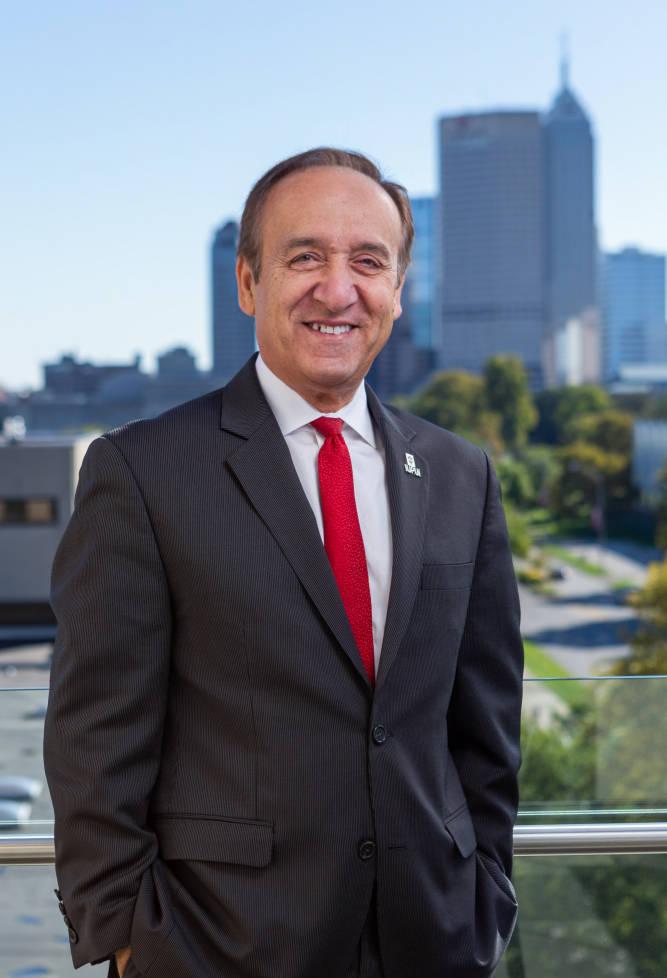
Chancellor Nasser Paydar retires
Paydar retires after serving as chancellor of IUPUI since 2015, capping 32 years of service to the university. Shortly after his retirement, the US Department of Education announces his nomination to become assistant secretary of education.
Pictured: Nasser Paydar, 2018
Credit: Indiana University Indianapolis
View Source
IU and Purdue trustees vote to break up IUPUI
After secret negotiations, IU and Purdue leaders vote and announce that IUPUI will be separated to establish Indiana University-Indianapolis and an Indianapolis Purdue entity.

Help improve this entry
Contribute information, offer corrections, suggest images.
You can also recommend new entries related to this topic.